

Hey there! As a supplier of 5 Ton Diesel Forklifts, I often get asked about the exhaust system of these powerful machines. So, let's dive right in and take a closer look at what makes up the exhaust system of a 5 Ton Diesel Forklift.
The Basics of a Forklift Exhaust System
First off, the exhaust system in a 5 Ton Diesel Forklift is super important. It's not just there to make noise (although it does that too). Its main jobs are to get rid of the exhaust gases produced during the combustion process, reduce engine noise, and control emissions.
The exhaust system starts at the engine's exhaust manifold. This part collects the hot exhaust gases from each cylinder of the engine. It's like a little gathering place for all those gases before they head out on their journey through the rest of the system.

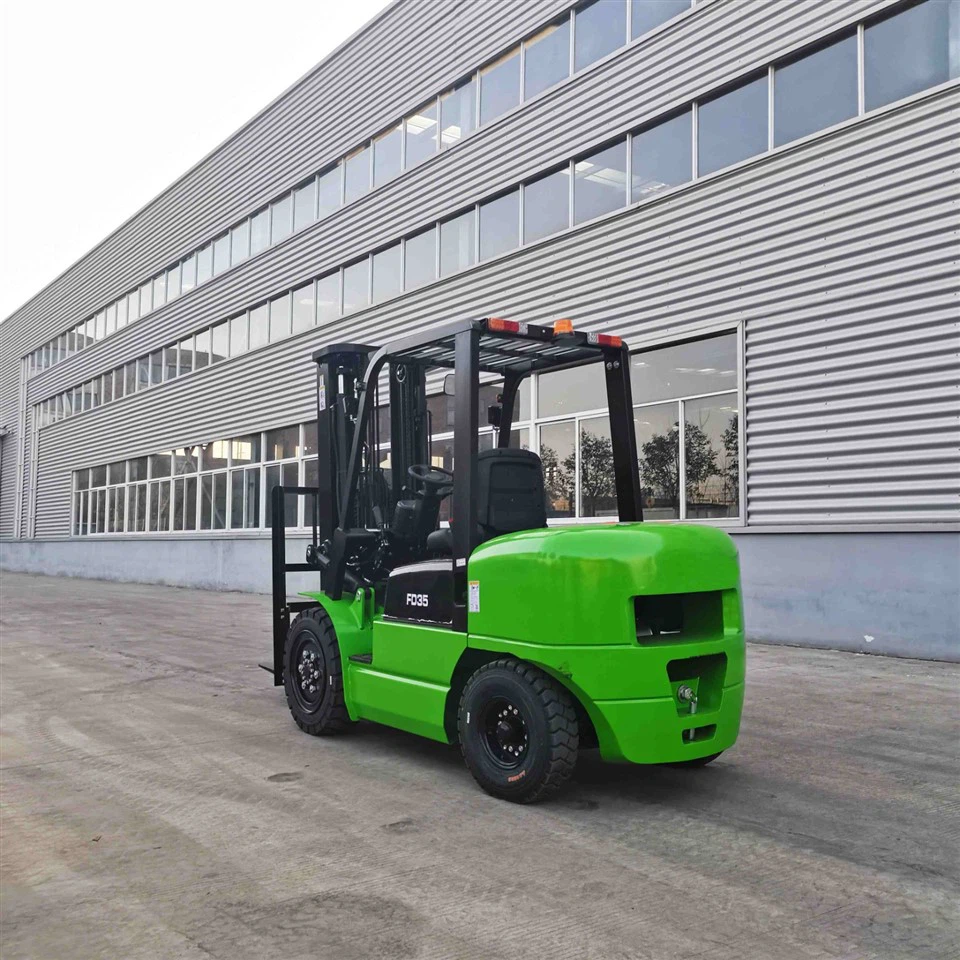
Key Components of the Exhaust System
Exhaust Manifold
The exhaust manifold is usually made of cast iron or stainless steel. Cast iron is tough and can handle the high temperatures of the exhaust gases. Stainless steel, on the other hand, is more resistant to corrosion. The manifold is designed to direct the exhaust gases in an efficient way, so they can flow smoothly into the next part of the system.
Exhaust Pipe
Once the gases leave the exhaust manifold, they enter the exhaust pipe. This pipe is like a highway for the exhaust gases, guiding them from the engine to the back of the forklift. The exhaust pipe needs to be strong and durable because it has to withstand the heat and pressure of the gases. It's also important that the pipe is properly insulated to prevent heat from spreading to other parts of the forklift.
Muffler
Ah, the muffler! This is the part that helps to reduce the noise made by the engine. When the exhaust gases rush out of the engine, they create a lot of noise. The muffler uses a series of chambers and baffles to absorb and reflect the sound waves, making the forklift quieter. It's like a soundproofing room for the exhaust gases.
Catalytic Converter
In modern 5 Ton Diesel Forklifts, you'll often find a catalytic converter. This is a key component when it comes to reducing emissions. The catalytic converter uses a catalyst, usually made of precious metals like platinum, palladium, and rhodium, to convert harmful pollutants in the exhaust gases into less harmful substances. For example, it can turn carbon monoxide into carbon dioxide and reduce the amount of nitrogen oxides.
Diesel Particulate Filter (DPF)
Another important part is the Diesel Particulate Filter. This filter traps the particulate matter, or soot, that is produced during the combustion process. Over time, the filter can get clogged with soot. To prevent this from happening, the forklift has a regeneration system. There are two types of regeneration: passive and active. Passive regeneration happens naturally when the exhaust gases are hot enough to burn off the soot. Active regeneration, on the other hand, is a process where the forklift's computer system initiates a regeneration cycle by injecting extra fuel into the exhaust system to raise the temperature and burn off the soot.
Why the Exhaust System Matters
You might be wondering, why all this fuss about the exhaust system? Well, there are a few reasons.
Safety
A properly functioning exhaust system is crucial for safety. If there are any leaks in the exhaust system, the toxic gases can seep into the operator's cabin. Carbon monoxide, in particular, is a colorless and odorless gas that can be very dangerous. It can cause headaches, dizziness, and even death if inhaled in large amounts. So, regular maintenance of the exhaust system is a must to ensure there are no leaks.
Environmental Impact
As we all know, the environment is a big concern these days. A good exhaust system helps to reduce the forklift's environmental impact by controlling emissions. By using a catalytic converter and a Diesel Particulate Filter, the forklift can meet the strict emission standards set by various regulatory bodies.
Performance
Believe it or not, the exhaust system can also affect the performance of the forklift. If the exhaust system is clogged or not working properly, it can restrict the flow of exhaust gases. This can lead to a decrease in engine power and an increase in fuel consumption. So, a well-maintained exhaust system helps to keep the forklift running smoothly and efficiently.
Our Range of Forklifts
At our company, we don't just offer 5 Ton Diesel Forklifts. We also have a great selection of other forklifts to meet different needs. For example, if you need a more powerful forklift, check out our 10 Ton Diesel Forklift - FD100. It's built to handle heavy loads with ease.
If you're looking for something a bit smaller, our 3.5 Ton Diesel Forklift is a great option. It's more maneuverable and can be used in smaller spaces.
And for lighter loads, we have the Forklift Diesel 2 Tons. It's perfect for warehouses and other indoor applications.
Contact Us for Purchase
If you're interested in any of our forklifts, including the 5 Ton Diesel Forklift, don't hesitate to get in touch with us. We're here to answer all your questions and help you find the right forklift for your business. Whether you need more information about the exhaust system or any other aspect of the forklift, we've got you covered.
References
- "Forklift Maintenance Handbook"
- "Diesel Engine Technology"
- Industry reports on forklift emissions and performance


