

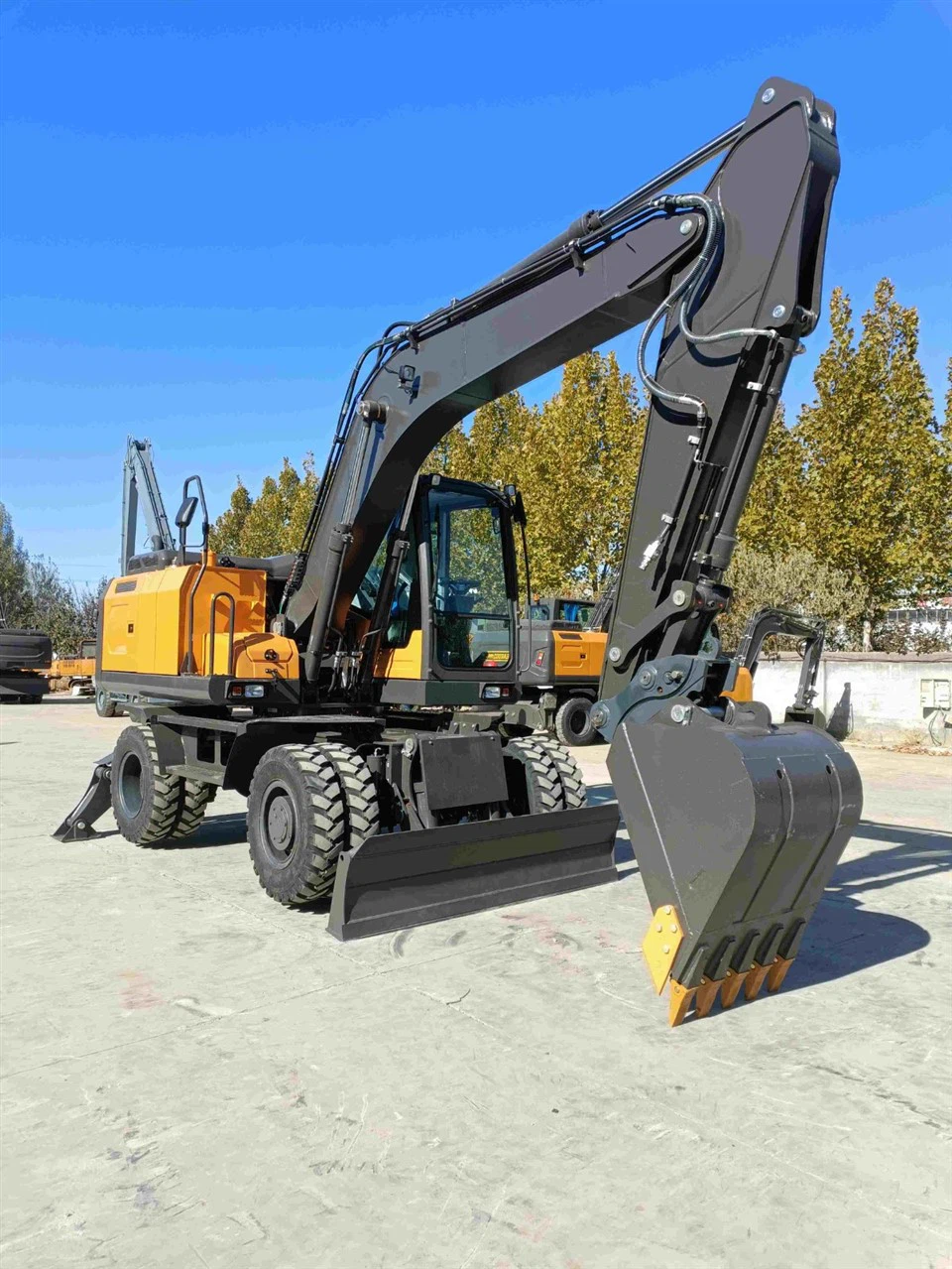
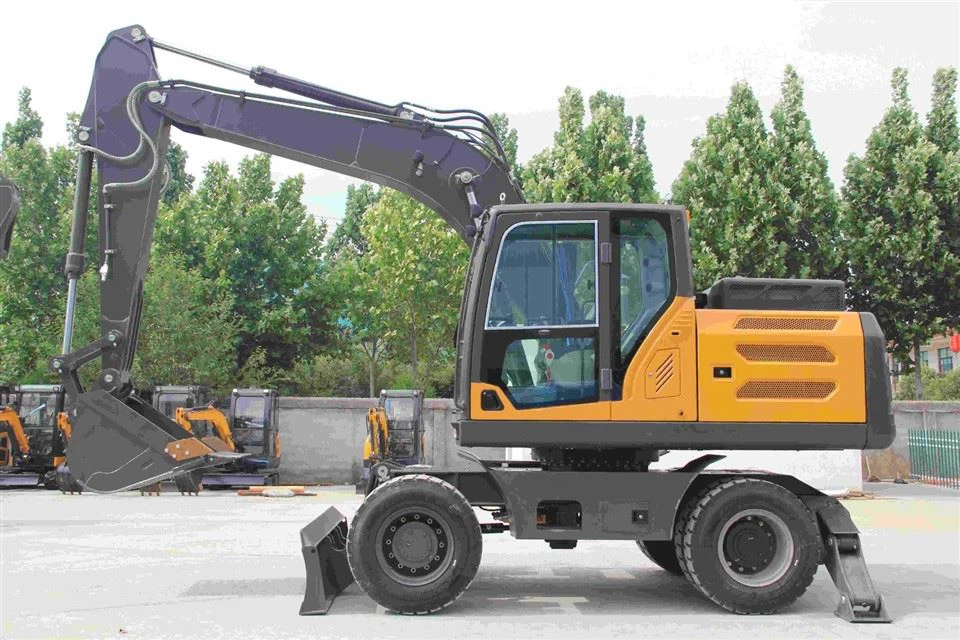
Adjusting the steering system of a wheel excavator is a crucial task that ensures the safety, efficiency, and longevity of the machine. As a reputable wheel excavator supplier, we understand the importance of proper steering system adjustment and are here to guide you through the process.
Understanding the Steering System of a Wheel Excavator
Before delving into the adjustment process, it's essential to have a basic understanding of the steering system in a wheel excavator. The steering system typically consists of components such as the steering wheel, steering gearbox, hydraulic cylinders, and linkages. These components work together to translate the driver's input on the steering wheel into the movement of the wheels.
The hydraulic steering system is commonly used in wheel excavators due to its ability to provide high power and precise control. It uses hydraulic fluid to transmit force from the steering pump to the steering cylinders, which then move the wheels. The steering gearbox, on the other hand, reduces the steering effort required by the driver and provides a mechanical advantage.
Pre - adjustment Checks
Before making any adjustments to the steering system, it's necessary to perform a series of pre - adjustment checks. These checks help to identify any underlying issues that may affect the steering performance.
- Visual Inspection: Inspect the steering components for signs of wear, damage, or leaks. Check the steering wheel for proper alignment and any looseness. Examine the hydraulic hoses and connections for leaks, and look for any signs of damage to the steering gearbox, cylinders, and linkages.
- Fluid Level Check: Check the hydraulic fluid level in the steering system. Low fluid levels can cause poor steering performance and may lead to damage to the hydraulic components. If the fluid level is low, add the recommended hydraulic fluid to the appropriate level.
- Tire Inspection: Inspect the tires for proper inflation and wear. Uneven tire wear or incorrect tire pressure can affect the steering performance of the wheel excavator. Make sure the tires are inflated to the manufacturer's recommended pressure.
Adjusting the Steering System
Once the pre - adjustment checks are completed, you can proceed with the steering system adjustment. The following steps outline the general process:
1. Steering Wheel Alignment
The first step is to ensure that the steering wheel is properly aligned. A misaligned steering wheel can cause the wheel excavator to pull to one side and affect the overall steering performance.
- Park the wheel excavator on a level surface and turn the engine off.
- Center the wheels of the excavator. This can be done by using a straightedge or a string to ensure that the wheels are parallel.
- Remove the steering wheel cover and loosen the steering wheel nut.
- Rotate the steering wheel until it is centered and aligned with the front wheels.
- Tighten the steering wheel nut and reinstall the steering wheel cover.
2. Steering Gearbox Adjustment
The steering gearbox may need to be adjusted to ensure proper steering response and reduce play in the steering wheel.
- Locate the adjustment screw on the steering gearbox. This screw is usually located on the side of the gearbox.
- Use a wrench to turn the adjustment screw. Turning the screw clockwise will increase the steering effort, while turning it counter - clockwise will decrease the steering effort.
- Make small adjustments and test the steering performance after each adjustment. The goal is to achieve a smooth and responsive steering feel with minimal play in the steering wheel.
3. Hydraulic Cylinder Adjustment
The hydraulic cylinders play a crucial role in the steering system. Adjusting the hydraulic cylinders can help to ensure that the wheels turn smoothly and evenly.
- Check the hydraulic cylinder rod for proper extension and retraction. The rod should move freely without any binding or excessive play.
- If necessary, adjust the hydraulic cylinder's mounting bolts to ensure proper alignment. Make sure the cylinders are parallel to each other and to the wheels.
- Check the hydraulic pressure in the steering system. The pressure should be within the manufacturer's recommended range. If the pressure is too high or too low, it can affect the steering performance.
4. Linkage Adjustment
The linkages in the steering system connect the steering gearbox to the wheels. Adjusting the linkages can help to correct any steering misalignment.
- Inspect the linkages for wear and damage. Replace any worn or damaged components.
- Loosen the linkage adjustment nuts and adjust the length of the linkages. This can be done by turning the adjustment sleeves.
- After making the adjustments, tighten the adjustment nuts and test the steering performance. The wheels should turn smoothly and in unison.
Post - adjustment Testing
After completing the steering system adjustment, it's important to perform a series of post - adjustment tests to ensure that the steering system is working properly.
- Start the engine and turn the steering wheel from lock to lock several times. Listen for any unusual noises or vibrations.
- Drive the wheel excavator on a level surface at a slow speed. Check for any pulling to one side or erratic steering behavior.
- Make a series of turns at different speeds and angles to test the steering response. The steering should be smooth and responsive.
Importance of Regular Maintenance
Regular maintenance of the steering system is essential to ensure its proper functioning and to prevent costly repairs. Here are some maintenance tips:
- Check the hydraulic fluid level regularly and change the fluid according to the manufacturer's recommendations.
- Inspect the steering components for wear and damage on a regular basis. Replace any worn or damaged parts promptly.
- Lubricate the steering linkages and pivot points to reduce friction and wear.
- Keep the steering system clean to prevent dirt and debris from entering the hydraulic components.
Conclusion
Proper adjustment of the steering system in a wheel excavator is crucial for safe and efficient operation. By following the steps outlined in this blog, you can ensure that your wheel excavator's steering system is in optimal condition.
As a wheel excavator supplier, we offer a wide range of high - quality wheel excavators, including the Mini Digger 6.5 Ton, Wheel Excavator 15 Ton Excavator, and 20 Ton 21.5 Ton Wheel Excavator. If you are interested in purchasing a wheel excavator or have any questions about steering system adjustment or maintenance, we encourage you to contact us for a detailed discussion.
References
- Manufacturer's manual for wheel excavators
- Industry standards and best practices for steering system adjustment in heavy equipment


