

What is the ease of maintenance of a long arm excavator?
As a supplier of Long Arm Excavators, I often encounter customers who are concerned about the maintenance aspect of these powerful machines. In this blog, I will delve into the ease of maintenance of long arm excavators, discussing various factors that contribute to it and why it matters in the long - run.
Understanding the Long Arm Excavator
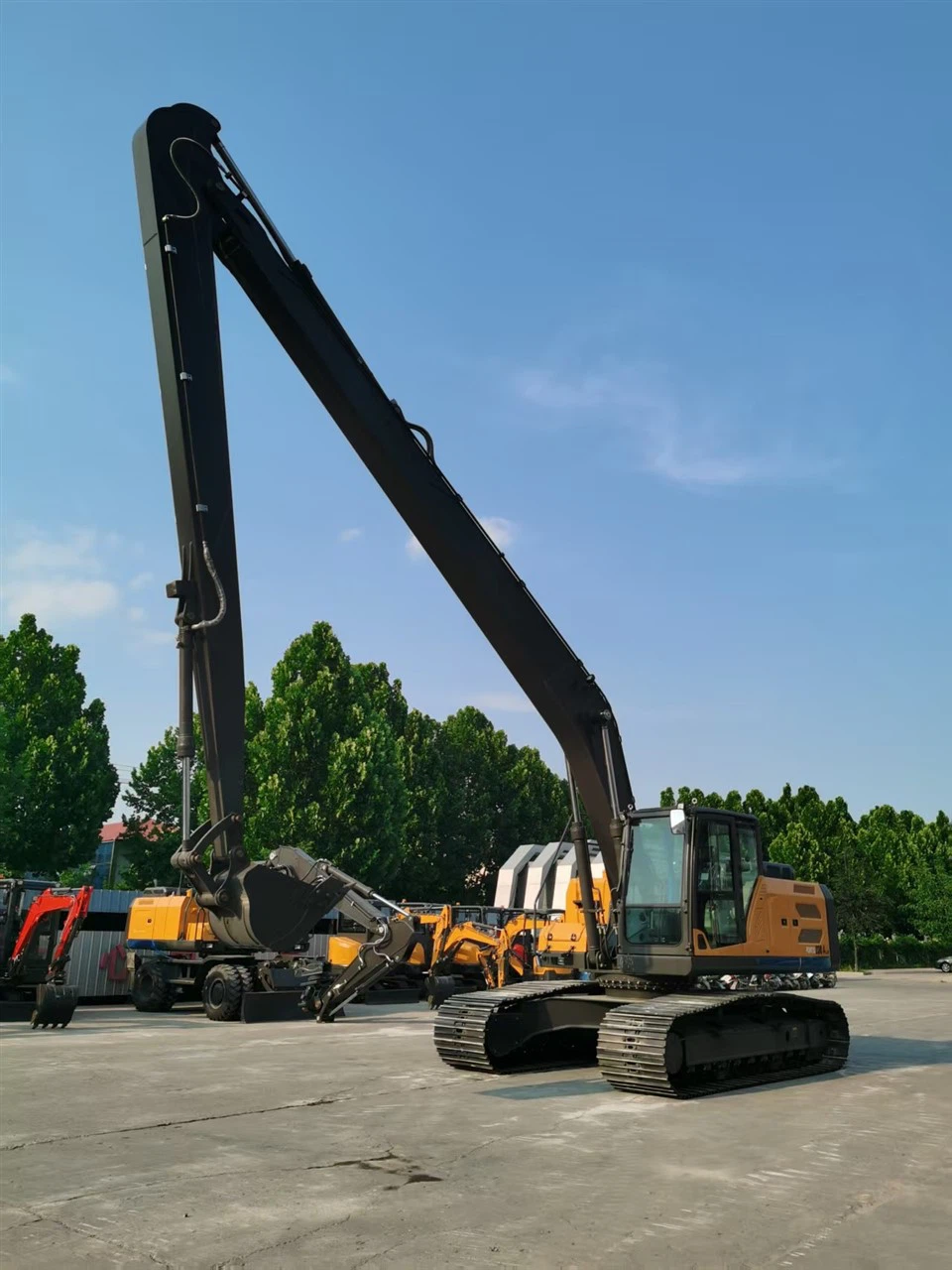
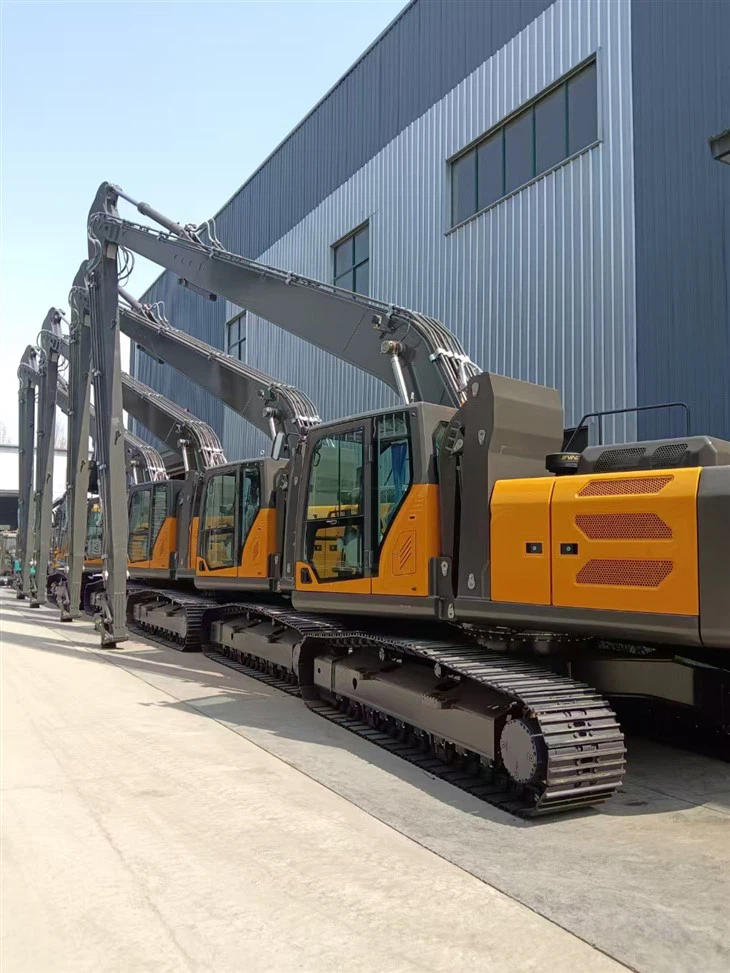
First, let's briefly understand what a Long Arm Excavator is. A long arm excavator is a specialized piece of heavy - equipment designed for tasks that require extended reach. These machines are commonly used in dredging, demolition, and high - reach excavation projects. Their long arms provide a greater working radius, allowing operators to access areas that are difficult to reach with standard excavators.
Factors Affecting the Ease of Maintenance
Accessibility to Components
One of the primary factors that determine the ease of maintenance is the accessibility of the machine's components. In a well - designed long arm excavator, key components such as the engine, hydraulic system, and filters are easily accessible. For example, the engine compartment should have large access panels that can be easily opened, allowing maintenance technicians to perform routine checks and repairs without having to remove multiple parts.
The hydraulic system, which is crucial for the operation of the long arm, also needs to be readily accessible. Hydraulic hoses, pumps, and valves should be located in areas where they can be inspected and replaced without excessive disassembly. This reduces the time and effort required for maintenance, minimizing downtime.
Modular Design
Many modern long arm excavators are designed with a modular approach. This means that different parts of the machine, such as the boom, arm, and cab, are built as separate modules. A modular design simplifies maintenance because if a particular module fails, it can be easily removed and replaced with a new one. This not only speeds up the repair process but also reduces the need for complex and time - consuming repairs.
For instance, if the long arm module gets damaged, instead of trying to repair it on - site, the entire module can be swapped out, and the excavator can be back in operation quickly. This is especially beneficial in large - scale construction projects where time is of the essence.
Diagnostic Systems
Advanced diagnostic systems are another important aspect of easy maintenance. Modern long arm excavators are equipped with on - board diagnostic tools that can detect faults and malfunctions in real - time. These systems can provide detailed information about the status of various components, such as the engine's performance, hydraulic pressure, and electrical system.
By using these diagnostic tools, maintenance technicians can quickly identify the root cause of a problem and take appropriate action. This reduces the guesswork involved in troubleshooting and allows for more efficient repairs. For example, if the diagnostic system indicates a low hydraulic pressure, the technician can immediately check the hydraulic pump and hoses for leaks or blockages.
Availability of Spare Parts
The availability of spare parts is a critical factor in the ease of maintenance. As a supplier, we ensure that a wide range of spare parts for our long arm excavators is readily available. This includes everything from small components like filters and seals to larger parts such as hydraulic cylinders and engines.
When spare parts are easily accessible, maintenance can be carried out promptly. Delays in obtaining spare parts can lead to extended downtime, which can be costly for our customers. We work closely with our suppliers to maintain an adequate inventory of spare parts, ensuring that our customers can get the parts they need when they need them.
Benefits of Easy Maintenance
Reduced Downtime
One of the most significant benefits of easy maintenance is reduced downtime. In the construction and excavation industry, every hour of downtime can result in lost productivity and revenue. When a long arm excavator is easy to maintain, maintenance tasks can be completed quickly, allowing the machine to get back to work as soon as possible.
For example, if a routine maintenance check and filter replacement can be done in a few hours instead of a full day, the excavator can resume its operations much sooner, minimizing the impact on the project schedule.
Lower Maintenance Costs
Easy maintenance also leads to lower maintenance costs. When components are easily accessible and spare parts are readily available, the labor and material costs associated with maintenance are reduced. Additionally, with advanced diagnostic systems, technicians can identify and fix problems before they become major issues, preventing costly breakdowns.
For instance, if a small hydraulic leak is detected early through the diagnostic system, it can be repaired with a simple seal replacement. If the leak is left undetected, it could lead to more severe damage to the hydraulic system, requiring expensive repairs.
Longer Machine Lifespan
Regular and easy maintenance contributes to a longer lifespan of the long arm excavator. By performing routine checks, replacing worn - out parts, and keeping the machine in good working condition, the overall wear and tear on the machine are reduced. This means that the excavator can operate efficiently for a longer period, providing a better return on investment for our customers.
Maintenance Best Practices
Regular Inspections
Regular inspections are essential for maintaining the long arm excavator. Operators should conduct pre - shift and post - shift inspections to check for any visible signs of damage, leaks, or loose parts. These inspections can help identify potential problems early, allowing for timely maintenance.
For example, before starting the excavator each day, the operator should check the hydraulic hoses for any signs of wear or leaks, the tracks for proper tension, and the engine oil level.
Scheduled Maintenance
In addition to regular inspections, scheduled maintenance is crucial. This includes tasks such as oil changes, filter replacements, and hydraulic system flushes at specific intervals. Following the manufacturer's recommended maintenance schedule ensures that the machine operates at its optimal performance and reduces the risk of breakdowns.
For instance, the engine oil should be changed every few hundred hours of operation, and the hydraulic filters should be replaced according to the specified time or usage limits.
Training for Operators and Technicians
Proper training for operators and maintenance technicians is vital. Operators should be trained on how to operate the long arm excavator correctly to prevent unnecessary wear and tear. Maintenance technicians should be trained on the latest diagnostic tools and repair techniques specific to the long arm excavator.
By providing comprehensive training, we ensure that our customers' operators and technicians can handle maintenance tasks effectively, maximizing the machine's uptime and performance.
Conclusion
In conclusion, the ease of maintenance of a long arm excavator is determined by several factors, including component accessibility, modular design, diagnostic systems, and the availability of spare parts. Easy maintenance offers numerous benefits, such as reduced downtime, lower maintenance costs, and a longer machine lifespan.
As a supplier of Long Arm Excavators, we are committed to providing high - quality machines that are easy to maintain. We understand the importance of keeping your equipment in top - notch condition, and we are here to support you every step of the way.
If you are interested in learning more about our long arm excavators or have any questions regarding maintenance, we encourage you to reach out to us. Our team of experts is ready to assist you with all your procurement and maintenance needs. Let's work together to ensure that your long arm excavator performs at its best for years to come.
References
- Construction Equipment Magazine. (2023). "Best Practices for Maintaining Heavy Equipment".
- Manufacturer's Manuals for Long Arm Excavators.


