

As a supplier of Forklift Diesel 2 Tons, I often receive inquiries from customers about various technical aspects of our forklifts. One question that comes up quite frequently is: "What is the acceleration rate of a 2 - ton diesel forklift?" In this blog post, I'll delve into this topic, exploring the factors that influence the acceleration rate and providing some insights based on our experience in the industry.
Before we jump into the acceleration rate, let's first understand what a 2 - ton diesel forklift is. A 2 - ton diesel forklift is a type of industrial vehicle designed to lift and move heavy loads up to 2 tons. It is powered by a diesel engine, which provides the necessary power and torque for efficient operation. These forklifts are commonly used in warehouses, construction sites, and other industrial settings where heavy lifting is required.
The acceleration rate of a 2 - ton diesel forklift is an important performance metric. It determines how quickly the forklift can increase its speed from a standstill, which is crucial for tasks that require rapid movement and maneuverability. Several factors can influence the acceleration rate of a 2 - ton diesel forklift, including the engine power, the weight of the forklift and the load, the transmission system, and the tire traction.
Engine Power
The engine is the heart of the forklift, and its power plays a significant role in determining the acceleration rate. A more powerful engine can generate more torque, which allows the forklift to accelerate more quickly. Diesel engines are known for their high torque output, making them well - suited for heavy - duty applications. Our 2 - ton diesel forklifts are equipped with high - performance diesel engines that are designed to provide optimal power and efficiency.
Weight of the Forklift and the Load
The weight of the forklift itself and the load it is carrying also affects the acceleration rate. A heavier forklift or a larger load will require more power to accelerate. When the forklift is carrying a full 2 - ton load, it will take longer to reach its maximum speed compared to when it is unloaded. This is because the engine has to work harder to overcome the inertia of the heavier mass.
Transmission System
The transmission system of the forklift is another important factor. There are two main types of transmissions used in forklifts: manual and automatic. Manual transmissions require the operator to shift gears manually, which can affect the acceleration rate depending on the operator's skill. Automatic transmissions, on the other hand, can provide smoother and more consistent acceleration. Our 2 - ton diesel forklifts are available with both manual and automatic transmission options to meet the diverse needs of our customers.
Tire Traction
Tire traction is crucial for acceleration. If the tires do not have good traction on the surface, the forklift will not be able to accelerate effectively. Factors such as the type of tire, the condition of the tire, and the surface on which the forklift is operating can all affect tire traction. Our forklifts are equipped with high - quality tires that are designed to provide excellent traction on various surfaces.
To measure the acceleration rate of a 2 - ton diesel forklift, we typically use the time it takes for the forklift to reach a certain speed from a standstill. For example, we might measure the time it takes for the forklift to reach 10 km/h. In general, a well - designed 2 - ton diesel forklift can reach 10 km/h in around 5 - 10 seconds, depending on the factors mentioned above.
It's important to note that the acceleration rate can also be affected by the operating conditions. For instance, if the forklift is operating on a slope or in a rough terrain, the acceleration rate will be lower compared to when it is operating on a flat and smooth surface.
As a supplier of Forklift Diesel 2 Tons, we understand the importance of providing high - performance forklifts that meet the needs of our customers. Our forklifts are designed and manufactured to ensure optimal acceleration rates, along with other key performance indicators such as lifting capacity, stability, and fuel efficiency.
If you are in the market for a 2 - ton diesel forklift, you might also be interested in our other products. We also offer Forklift Diesel 7 Tons, which are suitable for heavier lifting tasks. Additionally, we have 3.5 Ton Diesel Forklift and 3t Diesel Forklift Equipment that can meet different load - handling requirements.

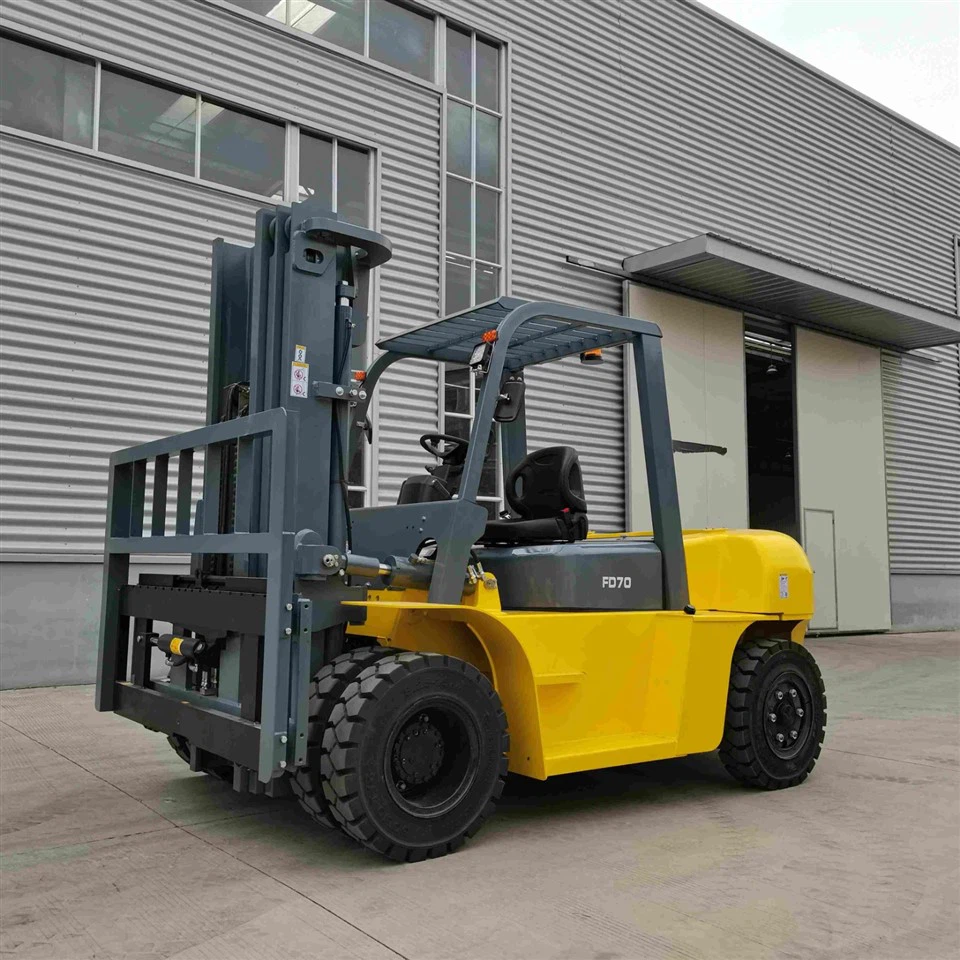
When choosing a forklift, it's essential to consider your specific needs and requirements. Factors such as the type of load, the operating environment, and the frequency of use should all be taken into account. Our team of experts is always available to provide you with professional advice and guidance to help you make the right choice.
We believe that our 2 - ton diesel forklifts offer a great combination of performance, reliability, and cost - effectiveness. Whether you are a small business owner or a large industrial enterprise, our forklifts can help you improve your operational efficiency and productivity.
If you are interested in learning more about our Forklift Diesel 2 Tons or any of our other products, we encourage you to contact us for a detailed discussion. Our sales team is ready to answer all your questions and assist you in the procurement process. We are committed to providing you with the best products and services to meet your business needs.
In conclusion, the acceleration rate of a 2 - ton diesel forklift is influenced by multiple factors, including engine power, weight, transmission system, and tire traction. By understanding these factors, you can make an informed decision when choosing a forklift for your business.
References
- Forklift Operator's Manuals
- Industry research reports on forklift performance
- Technical specifications of diesel engines used in forklifts


