

Calibration is a critical process for specialized equipment, ensuring that it operates accurately and efficiently. As a specialized equipment supplier, we understand the importance of calibration in maintaining the quality and performance of our products. In this blog post, we will explore the calibration requirements for specialized equipment, including the reasons for calibration, the calibration process, and the benefits of regular calibration.
Reasons for Calibration
The primary reason for calibrating specialized equipment is to ensure its accuracy. Over time, equipment can drift from its original specifications due to factors such as wear and tear, environmental conditions, and normal use. Calibration helps to correct these deviations and ensures that the equipment is providing accurate and reliable measurements.
Another important reason for calibration is to comply with industry standards and regulations. Many industries have specific requirements for the accuracy and performance of equipment, and calibration is often a necessary step to meet these standards. For example, in the medical field, calibration is essential to ensure the accuracy of diagnostic equipment, which can have a direct impact on patient health.
Calibration also helps to improve the efficiency and productivity of specialized equipment. When equipment is calibrated regularly, it is more likely to operate at its optimal level, reducing downtime and increasing throughput. This can result in significant cost savings for businesses, as well as improved customer satisfaction.
The Calibration Process
The calibration process typically involves comparing the measurements of a piece of equipment to a known standard. This can be done using a variety of methods, depending on the type of equipment and the specific requirements of the calibration.
One common method of calibration is to use a calibration standard, which is a device or substance that has a known value. The calibration standard is used to verify the accuracy of the equipment being calibrated. For example, a temperature sensor might be calibrated using a thermometer with a known temperature.
Another method of calibration is to use a reference instrument, which is a more accurate and precise instrument that is used to compare the measurements of the equipment being calibrated. The reference instrument is typically calibrated by a third-party calibration laboratory, which ensures its accuracy and traceability.
Once the equipment has been calibrated, a calibration certificate is issued, which provides documentation of the calibration process and the results. The calibration certificate typically includes information such as the date of calibration, the calibration method used, the results of the calibration, and the expiration date of the calibration.
Calibration Requirements for Different Types of Specialized Equipment
The calibration requirements for specialized equipment can vary depending on the type of equipment and its intended use. Here are some examples of calibration requirements for different types of specialized equipment:
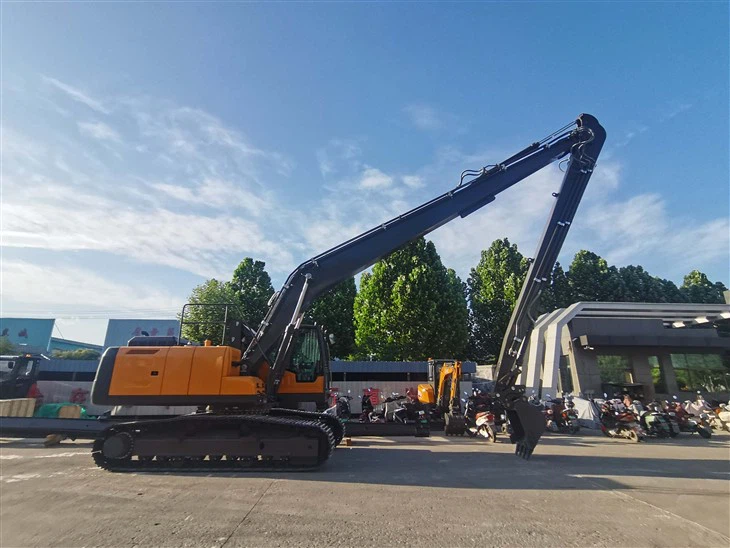
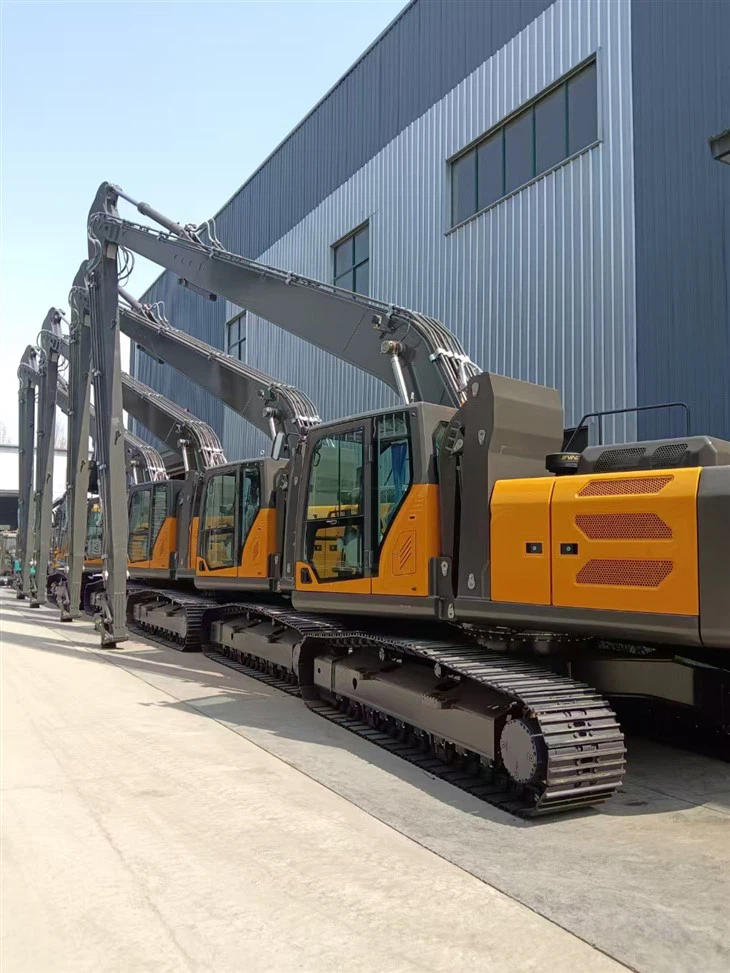
Long Arm Excavator
A Long Arm Excavator is a type of heavy equipment used in construction and excavation projects. Calibration requirements for a long arm excavator typically include checking the accuracy of the hydraulic system, the boom and arm movements, and the bucket position. This can be done using specialized calibration equipment and techniques to ensure that the excavator is operating at its optimal level.
Medical Equipment
Medical equipment, such as MRI machines, CT scanners, and blood pressure monitors, requires regular calibration to ensure its accuracy and reliability. Calibration requirements for medical equipment typically include checking the accuracy of the measurements, the performance of the equipment, and the safety features. This is often done by a qualified medical equipment technician or a calibration laboratory.
Laboratory Equipment
Laboratory equipment, such as balances, pipettes, and spectrometers, requires regular calibration to ensure the accuracy of the measurements. Calibration requirements for laboratory equipment typically include checking the accuracy of the measurements, the performance of the equipment, and the calibration intervals. This is often done by a qualified laboratory technician or a calibration laboratory.
Benefits of Regular Calibration
Regular calibration of specialized equipment offers several benefits, including:
Improved Accuracy
Calibration helps to ensure that the equipment is providing accurate and reliable measurements, which is essential for making informed decisions and ensuring the quality of the products or services being provided.
Increased Efficiency
When equipment is calibrated regularly, it is more likely to operate at its optimal level, reducing downtime and increasing throughput. This can result in significant cost savings for businesses, as well as improved customer satisfaction.
Compliance with Standards and Regulations
Many industries have specific requirements for the accuracy and performance of equipment, and calibration is often a necessary step to meet these standards. Regular calibration helps to ensure that the equipment is compliant with these standards and regulations.
Extended Equipment Life
Calibration helps to identify and correct any issues with the equipment before they become major problems. This can help to extend the life of the equipment and reduce the need for costly repairs or replacements.
Conclusion
Calibration is a critical process for specialized equipment, ensuring that it operates accurately and efficiently. As a specialized equipment supplier, we understand the importance of calibration in maintaining the quality and performance of our products. By following the calibration requirements for different types of specialized equipment and conducting regular calibration, businesses can ensure that their equipment is providing accurate and reliable measurements, improving efficiency and productivity, and complying with industry standards and regulations.
If you are interested in learning more about the calibration requirements for specialized equipment or would like to discuss your specific needs, please contact us. Our team of experts is available to provide you with the information and support you need to ensure the accuracy and performance of your equipment.
References
- ASTM International. (2023). Standard Guide for Calibration of Measuring and Test Equipment. ASTM E456-15.
- International Organization for Standardization. (2017). ISO 17025:2017 - General requirements for the competence of testing and calibration laboratories.
- National Institute of Standards and Technology. (2023). Calibration Services.


