

In the realm of audio technology, the frequency response characteristics of specialized audio equipment play a pivotal role in determining the quality and performance of sound reproduction. As a dedicated supplier of specialized audio equipment, I have witnessed firsthand the significance of these characteristics in meeting the diverse needs of our clients. In this blog post, I will delve into the intricacies of frequency response, exploring its impact on audio quality and how our specialized equipment is engineered to deliver exceptional performance.
Understanding Frequency Response
Frequency response refers to the range of frequencies that an audio device can reproduce, as well as the accuracy with which it can do so. It is typically measured in hertz (Hz) and is often represented graphically as a curve. The human ear can generally perceive frequencies ranging from approximately 20 Hz to 20,000 Hz, although this range can vary depending on factors such as age and hearing health.
A flat frequency response curve indicates that the audio device reproduces all frequencies within its range equally, without any significant boosts or cuts. This is generally considered ideal for accurate sound reproduction, as it ensures that the audio signal is reproduced as faithfully as possible. However, in some cases, a non - flat frequency response may be desired to achieve a particular sound signature or to compensate for acoustic deficiencies in a listening environment.
Importance of Frequency Response in Specialized Audio Equipment
In specialized audio equipment, such as professional studio monitors, high - end headphones, and live sound reinforcement systems, the frequency response characteristics are crucial for several reasons.
1. Accurate Sound Reproduction
For audio professionals, accurate sound reproduction is of utmost importance. In recording studios, for example, engineers rely on monitors with a flat frequency response to make precise mixing and mastering decisions. A monitor with a skewed frequency response can lead to inaccurate judgments, resulting in a mix that sounds great in the studio but may not translate well to other playback systems.
2. Immersive Listening Experience
In consumer audio, such as high - end headphones, a well - tuned frequency response can provide a more immersive and enjoyable listening experience. By accurately reproducing the full range of frequencies, headphones can bring out the subtle nuances in music, making it feel more lifelike.
3. Compatibility and Versatility
Specialized audio equipment often needs to be compatible with a wide range of audio sources and playback systems. A stable and well - defined frequency response ensures that the equipment can work effectively in different environments and with various types of audio content.
Frequency Response Characteristics of Our Specialized Audio Equipment
As a supplier of specialized audio equipment, we are committed to providing products with exceptional frequency response characteristics. Our team of engineers uses state - of - the - art technology and rigorous testing procedures to ensure that each piece of equipment meets the highest standards of quality.
1. Wide Frequency Range
Our products are designed to cover a wide frequency range, typically from 20 Hz to 20,000 Hz or even wider in some cases. This allows for the reproduction of the entire audible spectrum, ensuring that no details are lost in the audio signal.
2. Flat Frequency Response
We strive to achieve a flat frequency response across the entire range of our equipment. This is accomplished through careful design of the audio components, such as speakers and amplifiers, as well as the use of advanced signal processing techniques.
3. Low Distortion
In addition to a flat frequency response, low distortion is also a key characteristic of our specialized audio equipment. Distortion can introduce unwanted artifacts into the audio signal, degrading the overall sound quality. Our engineers use high - quality components and advanced manufacturing processes to minimize distortion, ensuring that the audio is reproduced as cleanly as possible.
Applications of Our Specialized Audio Equipment
Our specialized audio equipment finds applications in a variety of fields, including:
1. Music Production
In music production studios, our studio monitors and headphones are used by producers, engineers, and musicians to create, mix, and master high - quality music. The accurate frequency response of our equipment allows for precise audio editing and a professional - grade sound.
2. Live Sound Reinforcement
For live concerts, festivals, and other events, our sound reinforcement systems are trusted to deliver clear and powerful audio to large audiences. The wide frequency range and low distortion of our equipment ensure that the music and vocals are heard with maximum clarity and impact.
3. Broadcast and Cinema
In the broadcast and cinema industries, our audio equipment is used for audio recording, post - production, and playback. The high - fidelity sound reproduction provided by our products is essential for creating a captivating audio experience for viewers and listeners.
Linking to Related Equipment
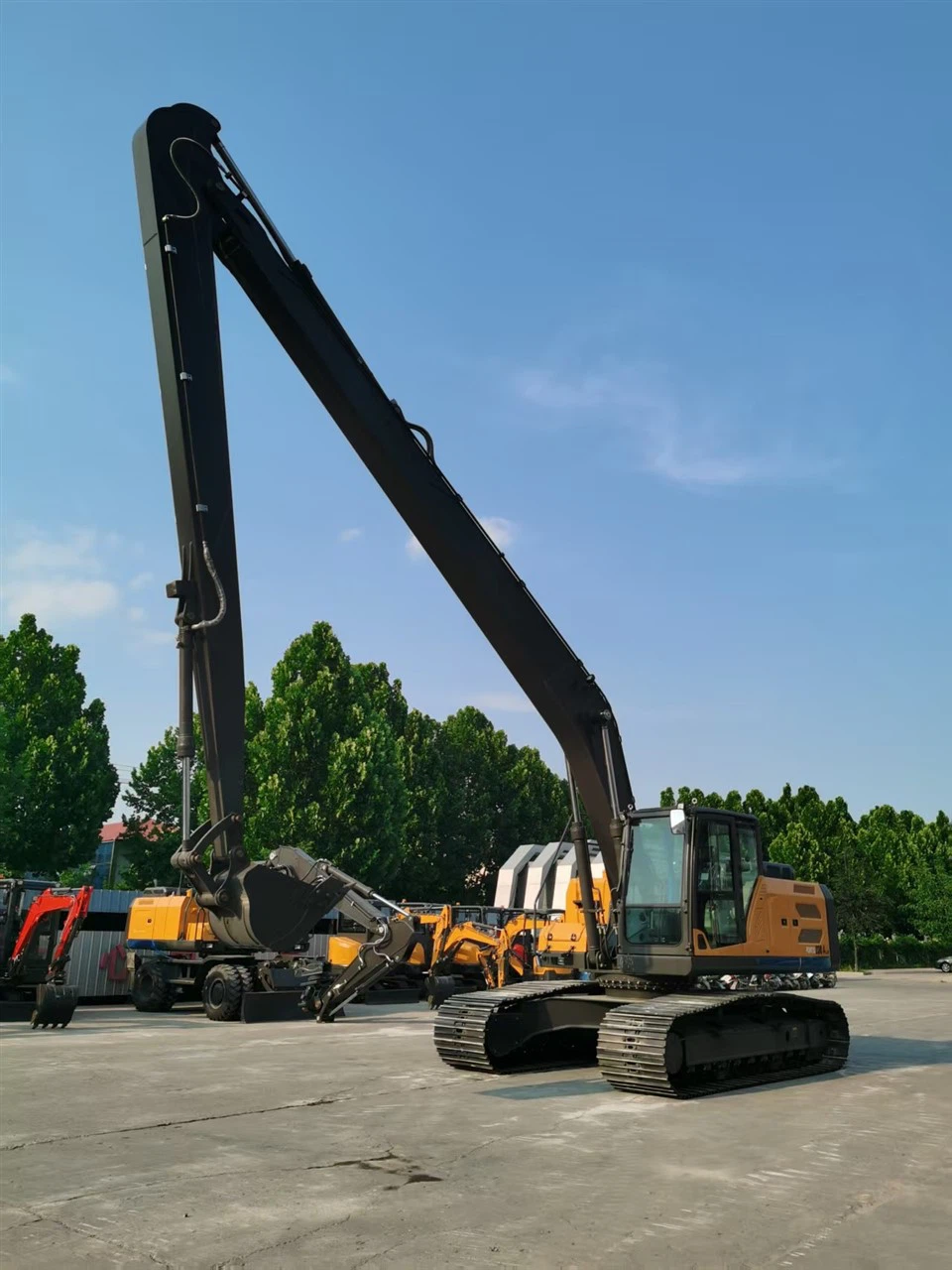
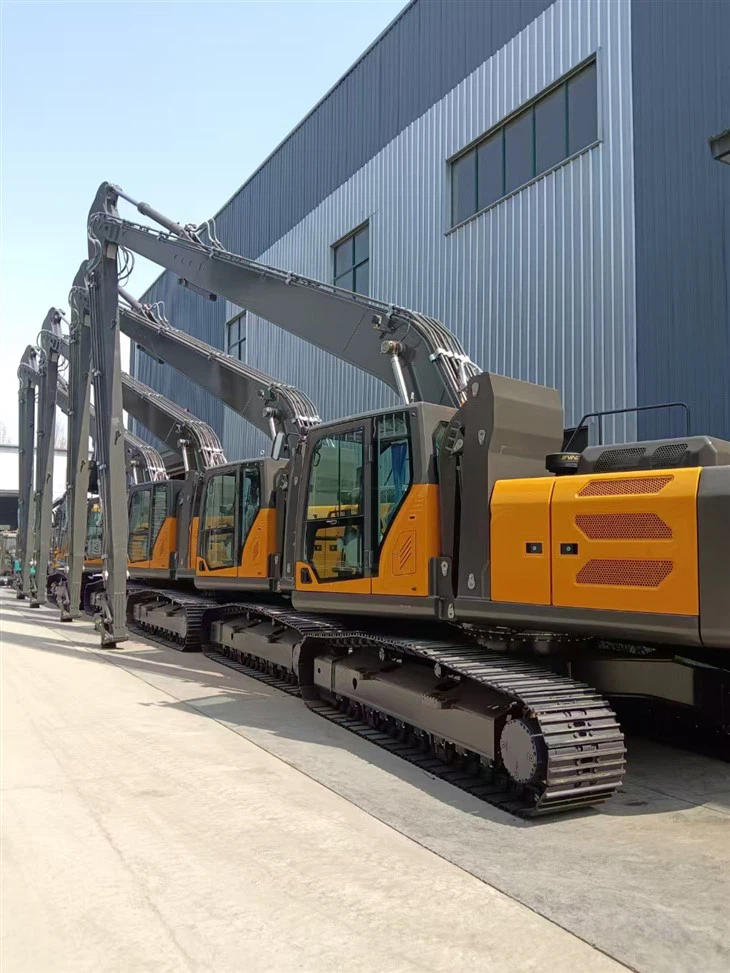
If you are interested in other types of specialized equipment, I recommend checking out our Long Arm Excavator. While it may seem unrelated to audio equipment, this excavator is a prime example of our commitment to providing high - quality specialized equipment in various fields.
Contact Us for Procurement
If you are in the market for specialized audio equipment, we invite you to get in touch with us for procurement discussions. Our team of experts is ready to assist you in selecting the right equipment for your specific needs and provide you with detailed information about our products and services. Whether you are a professional audio engineer, a music enthusiast, or an event organizer, we have the solution to meet your audio requirements.
References
- Audio Engineering Society. (20XX). Audio System Design and Optimization.
- Toole, F. (20XX). Sound Reproduction: The Acoustics and Psychoacoustics of Loudspeakers and Rooms.
- Moir, A., & Vogel, G. (20XX). Modern Recording Techniques.


