

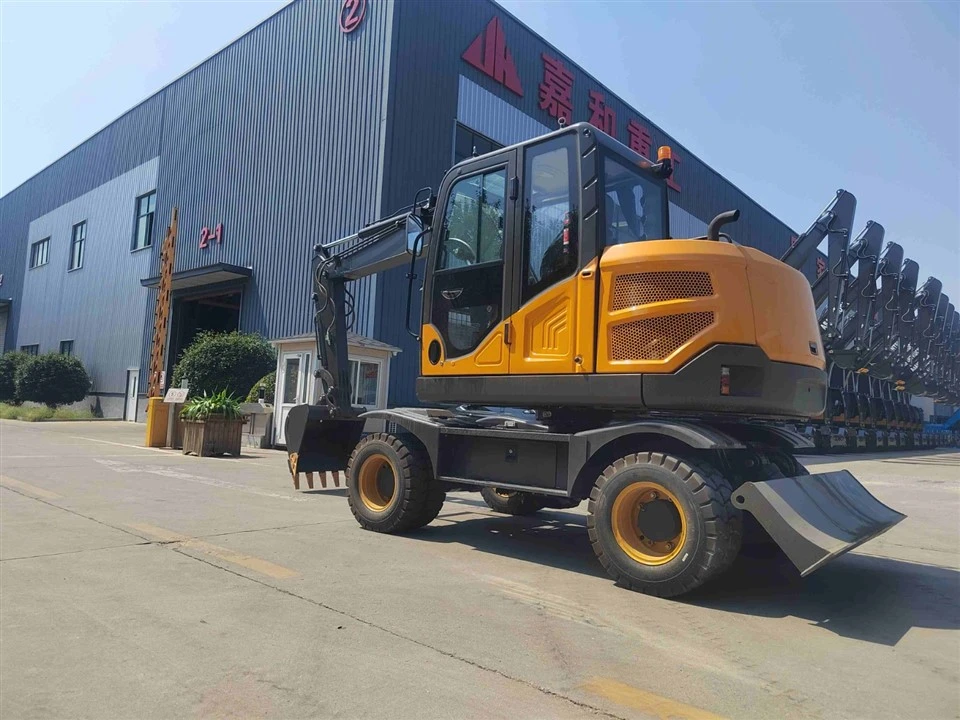
Transporting a wheel excavator to a job site is a complex and crucial process that requires careful planning, attention to detail, and adherence to safety regulations. As a reputable wheel excavator supplier, we understand the importance of ensuring that your equipment reaches its destination safely and efficiently. In this blog post, we will provide you with a comprehensive guide on how to transport a wheel excavator to a job site, covering everything from pre - transport preparations to on - site unloading.
Pre - transport Preparations
Inspection of the Wheel Excavator
Before transporting the wheel excavator, a thorough inspection is necessary. Check the hydraulic system for any leaks, ensure that all the attachments such as buckets, grabs, or breakers are securely fastened. Examine the tires for proper inflation and any signs of wear or damage. For instance, a flat tire or loose attachment during transportation can lead to delays or even accidents. If you're using excavators with different capabilities, say our Excavator with Multiple Attachments 7.5 Ton which has various functions, ensuring the proper connection of each attachment is vital.
Cleaning and Documentation
Clean the wheel excavator to remove any dirt, debris, or mud. A clean machine not only makes the inspection easier but also reduces the risk of contaminating the transport vehicle. Additionally, gather all the necessary documentation, including the machine's registration, maintenance records, and any relevant permits. This documentation will be essential for legal compliance during transportation.
Selecting the Right Transport Vehicle
Choose a transport vehicle that is suitable for the size and weight of the wheel excavator. For smaller excavators like our Mini Digger 6.5 Ton, a flatbed truck may be sufficient. However, for larger ones such as the 20 Ton 21.5 Ton Wheel Excavator, a specialized low - loader trailer may be required. Ensure that the transport vehicle is in good condition, with properly functioning brakes, tires, and suspension.
Securing the Excavator
Once the transport vehicle is selected, it's time to secure the wheel excavator. Use high - quality straps, chains, or cables to fasten the machine to the vehicle. Place the straps or chains at strategic points on the excavator, such as the chassis or lifting points. Make sure that the excavator is centered on the transport vehicle to maintain balance during transit. For example, when transporting a 12 Ton Wheel Excavator, proper securing can prevent it from shifting and causing damage to the vehicle or the excavator itself.
Route Planning
Researching the Route
Before setting off, research the route to the job site. Consider factors such as road conditions, weight restrictions, height clearances, and traffic patterns. Avoid narrow roads, low bridges, or routes with weight limits that are lower than the combined weight of the transport vehicle and the excavator. Use online mapping tools or consult with local authorities to gather information about the route.
Notifying Authorities
If the size or weight of the wheel excavator and the transport vehicle exceeds the normal limits, you may need to obtain special permits and notify the relevant authorities. This step is crucial to ensure compliance with local regulations and to avoid potential fines or delays. In some areas, you may also need to have a pilot vehicle accompany the transport to ensure safety.
During Transportation
Monitoring the Load
During transportation, the driver should regularly check the securing of the wheel excavator. Make stops at regular intervals to inspect the straps, chains, or cables and ensure that the machine has not shifted. Additionally, monitor the transport vehicle's performance, including the temperature of the engine, brakes, and tires.
Adhering to Speed Limits
It's essential to adhere to the speed limits on the route. Driving too fast with a heavy load can increase the risk of accidents, such as loss of control or damage to the excavator. The driver should also be cautious when taking turns, braking, and accelerating to avoid putting excessive stress on the transport vehicle and the excavator.
On - site Unloading
Preparing the Job Site
Before unloading the wheel excavator, prepare the job site. Ensure that the area is level, stable, and free of any obstacles. If the job site has soft ground, you may need to lay down mats or other support materials to prevent the excavator from sinking.
Unloading Process
Use proper equipment, such as a crane or a ramp, to unload the wheel excavator safely. If using a ramp, make sure it is securely attached to the transport vehicle and the ground. Slowly drive the excavator off the transport vehicle, following the instructions provided by the manufacturer. For a large and heavy machine like the Brand New Digger Wood Grab Excavator 10.5 Ton, a professional operator should handle the unloading process to avoid any mishaps.
Post - transport Checks
After the wheel excavator is unloaded, conduct a final inspection. Check for any damage that may have occurred during transportation, such as scratches, dents, or loose parts. Test the machine's functions to ensure that it is in proper working condition. If any issues are detected, address them promptly before starting work on the job site.

Conclusion
Transporting a wheel excavator to a job site is a multi - step process that demands careful planning and execution. By following these guidelines, you can ensure that your wheel excavator arrives at the job site safely and in good condition. At our company, we are committed to providing high - quality wheel excavators and supporting our customers in every aspect, including transportation. If you are interested in purchasing any of our wheel excavators or need more information about their transportation, we encourage you to contact us for a detailed discussion. Our team of experts is ready to assist you in making the right choice for your construction projects.
References
- Construction Equipment Handbook (Latest Edition)
- Industry guidelines on heavy equipment transportation


