

Integrating an electric forklift with an automated system represents a significant leap forward in the material handling industry. As a leading supplier of electric forklifts, I've witnessed firsthand the transformative impact this combination can have on businesses. In this blog post, I'll explore the numerous benefits of integrating an electric forklift with an automated system, drawing on real - world examples and industry knowledge.
Enhanced Efficiency
One of the most prominent benefits of integrating an electric forklift with an automated system is the substantial boost in efficiency. Automated systems can precisely control the movement of electric forklifts, eliminating the variability associated with human operators. These systems can calculate the most efficient routes for the forklifts to travel, reducing the time spent on moving goods from one location to another.
For instance, in a large warehouse, an automated system can direct an Electric Forklift 4 Ton to pick up and deliver pallets in a sequence that minimizes travel distance. This not only speeds up the overall material handling process but also allows for more loads to be moved within a given time frame.
Moreover, automated systems can operate 24/7 without breaks, fatigue, or the need for shift changes. An electric forklift integrated with such a system can continuously perform tasks, ensuring a consistent flow of goods in and out of the warehouse. This round - the - clock operation is particularly beneficial for industries with high - volume production and tight delivery schedules.
Improved Safety
Safety is a top priority in any workplace, especially in environments where heavy machinery like forklifts are in use. Integrating an electric forklift with an automated system significantly enhances safety levels. Automated systems are equipped with advanced sensors and algorithms that can detect obstacles in real - time.
These sensors can detect other forklifts, pedestrians, or stationary objects in the path of the electric forklift. When an obstacle is detected, the automated system can immediately halt the forklift's movement or adjust its path to avoid a collision. This reduces the risk of accidents, which can lead to costly damage to equipment, products, and, most importantly, injuries to workers.
In addition, automated systems can enforce safety protocols more consistently than human operators. They can ensure that forklifts operate at safe speeds, maintain proper distances from other vehicles, and follow designated traffic rules within the warehouse. For example, an automated 12 Ton Electric Forklift will always adhere to the pre - set speed limits, regardless of the urgency of the task.
Cost Savings
Integrating an electric forklift with an automated system can lead to significant cost savings in the long run. Firstly, as mentioned earlier, the increased efficiency means that more work can be done with fewer forklifts. This reduces the need for a large fleet of forklifts, which in turn lowers the initial capital investment required for purchasing equipment.
Secondly, electric forklifts are generally more energy - efficient than their diesel counterparts. When integrated with an automated system, the energy consumption of the electric forklift can be optimized. The automated system can control the forklift's acceleration, deceleration, and idle time, ensuring that energy is used as efficiently as possible. This results in lower electricity bills and reduced operating costs.
Furthermore, the improved safety provided by the automated system reduces the likelihood of accidents and associated costs. Fewer accidents mean less money spent on equipment repairs, product replacement, and workers' compensation claims.
Data Collection and Analysis
Automated systems integrated with electric forklifts generate a wealth of data. This data can be used to gain valuable insights into the material handling process. For example, the system can collect information on the frequency of forklift use, the time taken for each task, and the routes traveled.

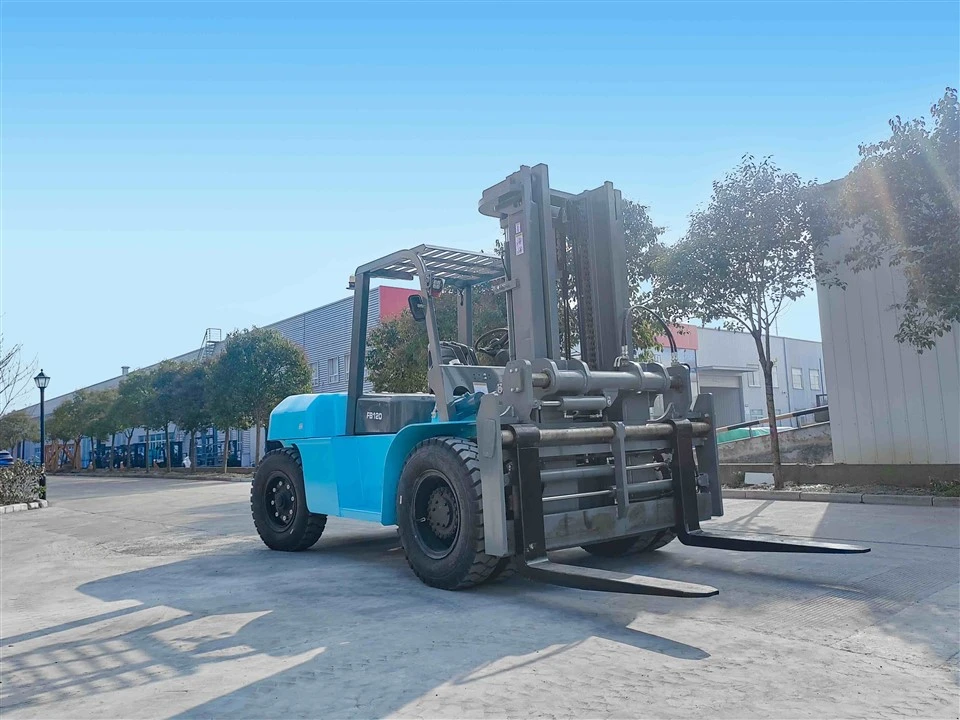
By analyzing this data, businesses can identify bottlenecks in the material handling process and make informed decisions to optimize operations. They can determine if certain areas of the warehouse are causing delays or if there are inefficiencies in the way forklifts are being assigned tasks. This data - driven approach allows for continuous improvement in the overall logistics and supply chain management.
Flexibility and Scalability
An electric forklift integrated with an automated system offers a high degree of flexibility and scalability. The automated system can be easily reprogrammed to adapt to changes in the warehouse layout, product mix, or production requirements. For example, if a new product line is introduced that requires different storage and handling procedures, the automated system can be adjusted to accommodate these changes.
In addition, as a business grows, the automated system can be scaled up to handle increased volumes of goods. More electric forklifts can be added to the system, and the software can be updated to manage the larger fleet. This scalability ensures that the material handling solution can grow with the business, providing a long - term and cost - effective solution.
Environmental Sustainability
As a supplier of electric forklifts, I'm committed to promoting environmental sustainability. Electric forklifts are already a more eco - friendly alternative to diesel forklifts, as they produce zero emissions at the point of use. When integrated with an automated system, the environmental benefits are further enhanced.
The energy - efficient operation of the electric forklift, optimized by the automated system, reduces overall energy consumption. This not only lowers the carbon footprint of the business but also aligns with global efforts to reduce greenhouse gas emissions.
Moreover, the reduced need for a large fleet of forklifts due to increased efficiency also means less manufacturing and disposal of equipment, which has a positive impact on the environment.
Conclusion
Integrating an electric forklift with an automated system offers a multitude of benefits, including enhanced efficiency, improved safety, cost savings, data - driven decision - making, flexibility, scalability, and environmental sustainability. These advantages make it a smart investment for businesses looking to optimize their material handling operations.
If you're interested in learning more about how an integrated electric forklift and automated system can benefit your business, or if you're ready to explore purchasing options, I encourage you to reach out. Our team of experts is ready to assist you in finding the right solution for your specific needs. Whether you're in the market for a Forklift Diesel 10 Ton 4x4, a 12 Ton Electric Forklift, or an Electric Forklift 4 Ton, we have the knowledge and experience to guide you through the process.
References
- "Automated Forklift Systems: A Comprehensive Guide" - Industry Report, 20XX
- "The Future of Material Handling: Electric Forklifts and Automation" - Journal of Logistics and Supply Chain Management, 20XX
- "Safety in Automated Forklift Operations" - Occupational Safety and Health Administration Publication, 20XX


