

Hey there! As a supplier of Forklift Diesel 2 Tons, I often get asked about how to test the brakes of these machines. It's a crucial aspect of forklift maintenance, and getting it right can ensure the safety of operators and the efficiency of your operations. So, let's dive into the details of how to test the brakes of a 2 - ton diesel forklift.
Pre - test Checks
Before you start testing the brakes, there are a few things you need to do. First off, make sure the forklift is parked on a flat, level surface. This is super important because if the ground is uneven, it can affect the accuracy of your brake test. Also, engage the parking brake to keep the forklift stationary during the pre - test checks.
Next, visually inspect the brake components. Look for any signs of wear, damage, or leaks. Check the brake lines for cracks or corrosion. If you notice any issues, it's best to address them before proceeding with the test. You don't want to be in the middle of a brake test and have a major problem pop up.
Static Brake Test
The static brake test is the first step in evaluating the brakes of your 2 - ton diesel forklift. Start by starting the forklift's engine and letting it warm up for a few minutes. This allows the hydraulic system to reach its optimal operating temperature.
Once the engine is warmed up, put the forklift in neutral and apply the service brakes firmly. Hold the brakes for about 30 seconds and observe if the forklift moves. If it does, there's definitely an issue with the brakes. A properly functioning brake system should hold the forklift in place without any movement.
After the 30 - second hold, release the brakes and check if they disengage smoothly. There should be no dragging or sticking. If you feel any resistance when releasing the brakes, it could indicate a problem with the brake calipers or the brake pads.
Dynamic Brake Test
The dynamic brake test is a bit more involved, but it gives you a better understanding of how the brakes perform under normal operating conditions. Before starting this test, make sure the area is clear of any obstacles and pedestrians. Safety first, right?
Drive the forklift forward at a slow speed, around 5 - 10 miles per hour. Once you reach the desired speed, apply the service brakes firmly. You should feel a smooth and even deceleration. The forklift should come to a stop within a reasonable distance.
Pay attention to how the brakes feel. Are they spongy? Do they make any strange noises? A spongy brake pedal could mean there's air in the brake lines, while strange noises could indicate worn brake pads or other mechanical issues.
Repeat the test a few times, varying the speed slightly each time. This helps you get a more comprehensive evaluation of the brake system.
Parking Brake Test
The parking brake is just as important as the service brakes. To test the parking brake, park the forklift on a slight incline. Make sure the incline is not too steep, as this could put unnecessary stress on the parking brake.
Engage the parking brake and then try to move the forklift forward or backward. The forklift should not move. If it does, the parking brake needs adjustment or repair.
It's also a good idea to check the parking brake's release mechanism. Make sure it disengages smoothly when you operate the lever or pedal.
Brake Fluid Check
Brake fluid plays a vital role in the proper functioning of the brake system. Check the brake fluid level regularly. The fluid reservoir is usually located near the master cylinder.
If the fluid level is low, it could indicate a leak in the brake system. Add the recommended brake fluid if necessary, but be careful not to overfill it. Also, check the color of the brake fluid. If it's dark or contaminated, it's time to flush and replace the fluid.
Importance of Regular Brake Testing
Regular brake testing is not just a good practice; it's a necessity. Faulty brakes can lead to accidents, which can cause serious injuries to operators and damage to the forklift and surrounding property. By testing the brakes regularly, you can catch any issues early on and prevent major problems from occurring.
As a supplier of Forklift Diesel 2 Tons, I always recommend that my customers follow a strict maintenance schedule. This includes regular brake testing, as well as other maintenance tasks like oil changes and tire rotations.
Related Products
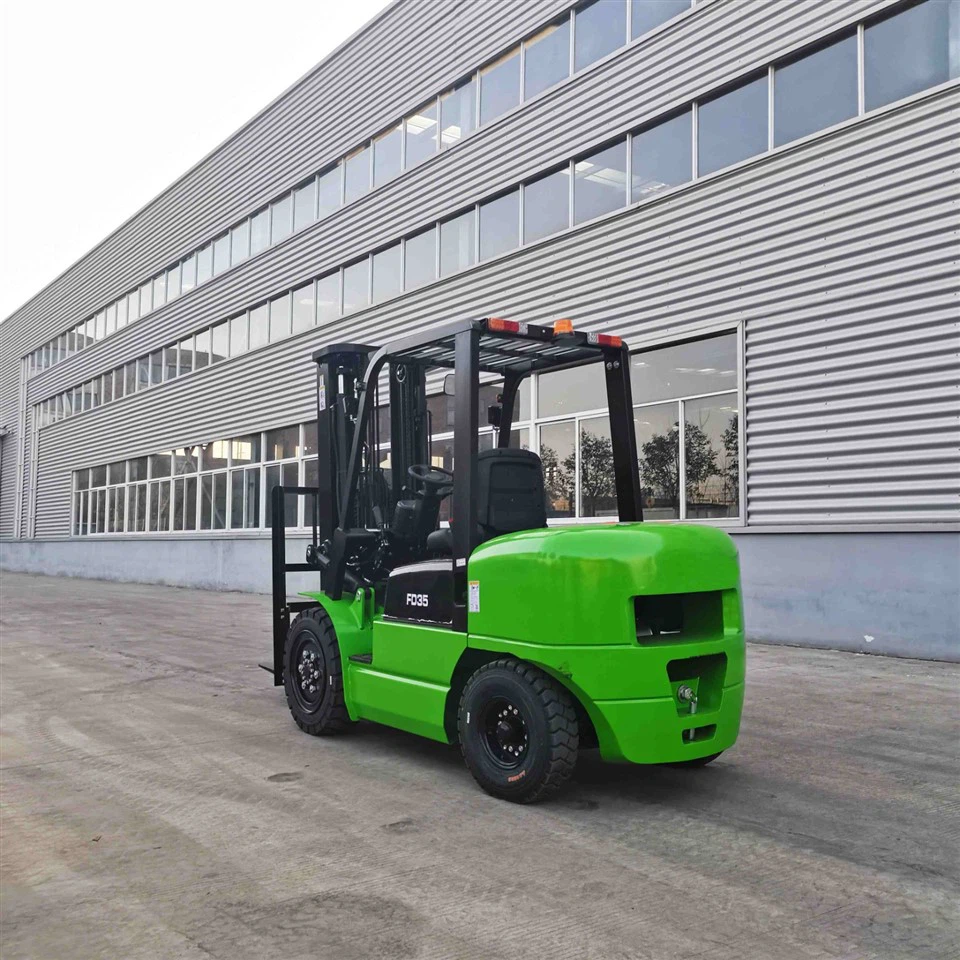
If you're in the market for a more heavy - duty forklift, we also offer some great options. Check out our 8 Ton Forklift Heavy Duty, 3.5 Ton Diesel Forklift, and 10 Ton Diesel Forklift - FD100. These forklifts are built to handle tough jobs and come with reliable brake systems.

Conclusion
Testing the brakes of a 2 - ton diesel forklift is a multi - step process that requires attention to detail. By following the steps outlined above, you can ensure that your forklift's brakes are in top condition. Remember, safety is the number one priority when it comes to operating forklifts.
If you have any questions about brake testing or are interested in purchasing a Forklift Diesel 2 Tons or any of our other products, don't hesitate to reach out. We're here to help you make the right choice for your business.
References
- OSHA Forklift Safety Guidelines
- Manufacturer's Manual for Forklift Diesel 2 Tons


