

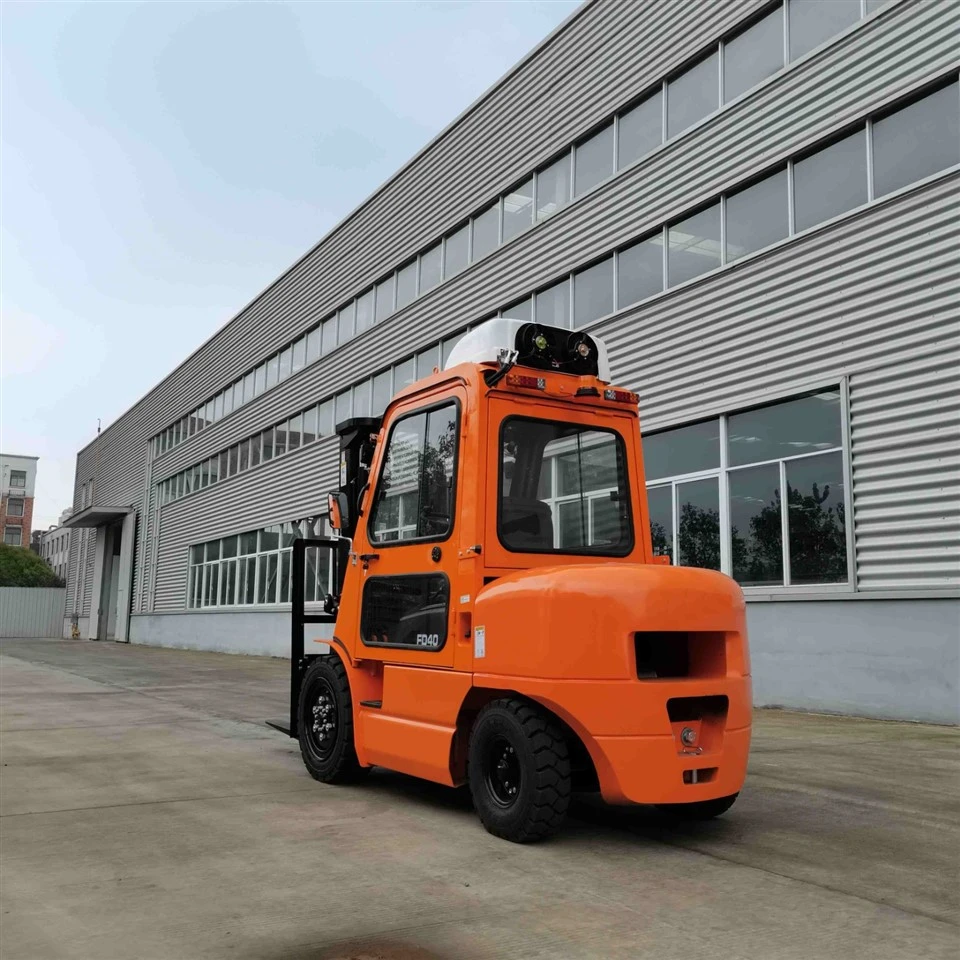
Starting a 4 - ton diesel forklift might seem like a daunting task, especially if you're new to the world of industrial equipment. As a supplier of Forklift 4 Ton Diesel, I've had the opportunity to guide numerous customers through this process. In this blog, I'll share a comprehensive step - by - step guide on how to start a 4 - ton diesel forklift safely and efficiently.
Pre - start Checks
Before attempting to start the forklift, it's crucial to conduct a series of pre - start checks. These checks are not only essential for the smooth operation of the forklift but also for your safety and the safety of those around you.
Visual Inspection
Begin by walking around the forklift and visually inspecting it for any obvious signs of damage or wear. Check the tires for proper inflation and any signs of cuts or punctures. A flat or damaged tire can lead to instability during operation, which is extremely dangerous. Inspect the forks for any cracks or bends. Damaged forks can compromise the ability to lift and carry loads safely. Also, look at the mast for any signs of misalignment or damage.
Fluid Levels
Next, check the fluid levels. Diesel forklifts rely on several fluids to function properly. Check the diesel fuel level. Running out of fuel during operation can be a major inconvenience and may also cause damage to the fuel system. Inspect the engine oil level. Low oil levels can lead to increased friction and wear within the engine, potentially causing serious damage. Additionally, check the coolant level. Overheating can cause significant damage to the engine, so maintaining the proper coolant level is crucial.
Battery and Electrical System
If your forklift has an electrical component, such as lights or a horn, check the battery. Ensure that the battery terminals are clean and tight. Corroded or loose terminals can prevent the electrical system from functioning correctly. Test the lights, horn, and other electrical components to make sure they are working properly.
Safety Equipment
Verify that all safety equipment is in place and functioning. This includes the seatbelt, which should be in good condition and easy to fasten. Check the mirrors to ensure they are clean and properly adjusted. Mirrors are essential for maintaining awareness of your surroundings while operating the forklift.
Starting the Forklift
Once you've completed the pre - start checks, you're ready to start the forklift.
Enter the Forklift
Approach the forklift from the side and use the handrails to enter the operator's compartment. Sit down on the seat and fasten your seatbelt. Make sure you are comfortable and have full access to all the controls.
Turn on the Ignition
Locate the ignition switch, which is usually located on the dashboard. Insert the key and turn it to the "On" position. This will power up the electrical system and allow you to check the warning lights. Wait for a few seconds to let the electrical system initialize.
Prime the Fuel System (if necessary)
Some diesel forklifts require you to prime the fuel system before starting. This involves using a primer pump to draw fuel into the fuel lines. Follow the manufacturer's instructions on how to prime the fuel system.
Start the Engine
After the electrical system has initialized and the fuel system is primed (if required), turn the ignition key further to the "Start" position. Hold the key in this position until the engine starts. Once the engine starts, release the key.
Let the Engine Warm Up
Allow the engine to warm up for a few minutes. This is important because diesel engines perform better when they are at the proper operating temperature. During the warm - up period, listen for any unusual noises coming from the engine. Unusual noises could indicate a problem that needs to be addressed.
Operating the Forklift
Once the engine has warmed up, you're ready to start operating the forklift.
Familiarize Yourself with the Controls
Before moving the forklift, take a moment to familiarize yourself with the controls. The most common controls include the accelerator pedal, brake pedal, steering wheel, and the controls for the mast and forks. The accelerator pedal is used to increase the speed of the forklift, while the brake pedal is used to slow down or stop the forklift. The steering wheel allows you to control the direction of the forklift. The mast and fork controls are used to raise, lower, and tilt the forks.
Move the Forklift
To move the forklift forward, gently press the accelerator pedal. Start slowly and gradually increase the speed as you gain confidence. To reverse, shift the gear selector to the reverse position and then press the accelerator pedal. Always use your mirrors to check your surroundings before moving in reverse.
Lifting and Lowering Loads
To lift a load, use the mast control to raise the forks. Make sure the forks are centered under the load and that the load is evenly distributed on the forks. When lowering a load, use the mast control to lower the forks slowly and steadily.
Post - operation Checks
After you've finished using the forklift, it's important to perform post - operation checks.
Park the Forklift
Park the forklift in a designated area. Make sure the area is level and clear of any obstacles. Lower the forks to the ground and engage the parking brake.

Turn off the Engine
Turn the ignition key to the "Off" position to turn off the engine. Remove the key from the ignition switch.
Final Inspection
Conduct a final visual inspection of the forklift. Check for any leaks or signs of damage that may have occurred during operation. If you notice any issues, report them immediately so that they can be addressed.
Why Choose Our [Forklift 4 Ton Diesel]
As a supplier of Forklift 4 Ton Diesel, we offer high - quality forklifts that are built to last. Our forklifts are designed with the latest technology to ensure maximum efficiency and safety. We also provide excellent customer service, including installation, maintenance, and repair services.
If you're in the market for a forklift, you might also be interested in our 3t Diesel Forklift Equipment or 5 Ton Diesel Forklift. These forklifts are suitable for different load capacities and applications.
If you have any questions about starting a 4 - ton diesel forklift or about our products, we encourage you to contact us for a procurement discussion. Our team of experts is ready to assist you in finding the right forklift for your needs.
References
- "Forklift Operator's Manual" - Various forklift manufacturers
- "Industrial Equipment Safety Guidelines" - Occupational Safety and Health Administration (OSHA)


