

Hey there! If you're in the market for a 4 - ton diesel forklift, you've come to the right place. I'm a supplier of Forklift 4 Ton Diesel, and I'm here to walk you through how to start one. It's not rocket science, but there are some key steps you need to follow to ensure a smooth start and safe operation.
Pre - start Checks
Before you even think about starting the forklift, you gotta do a thorough pre - start check. This is super important for your safety and the longevity of the machine.
First off, take a look at the exterior of the forklift. Check for any visible damage like dents, cracks, or leaks. You don't want to start a forklift that's leaking fuel or hydraulic fluid, as that can be a major hazard. Inspect the tires too. Make sure they're properly inflated and there are no signs of excessive wear or damage. A flat tire or a worn - out one can make the forklift unstable and difficult to control.
Next, check the fluid levels. You'll need to look at the engine oil, coolant, and hydraulic fluid. Low levels of these fluids can cause serious problems for the forklift. For the engine oil, use the dipstick to check the level. It should be between the minimum and maximum marks. The coolant level can usually be checked through a sight glass. And for the hydraulic fluid, there's often a gauge or a dipstick as well.
Don't forget to check the battery. Make sure the connections are clean and tight. A loose or corroded connection can prevent the forklift from starting. Also, check the battery water level if it's a non - maintenance - free battery. If it's low, add distilled water to the appropriate level.
Starting the Forklift
Once you've completed the pre - start checks and everything looks good, it's time to start the forklift.
First, get in the operator's seat and make sure you're comfortable. Adjust the seat position and the mirrors so you have a clear view of your surroundings. Put on your seatbelt. It's a simple step, but it can save your life in case of an accident.

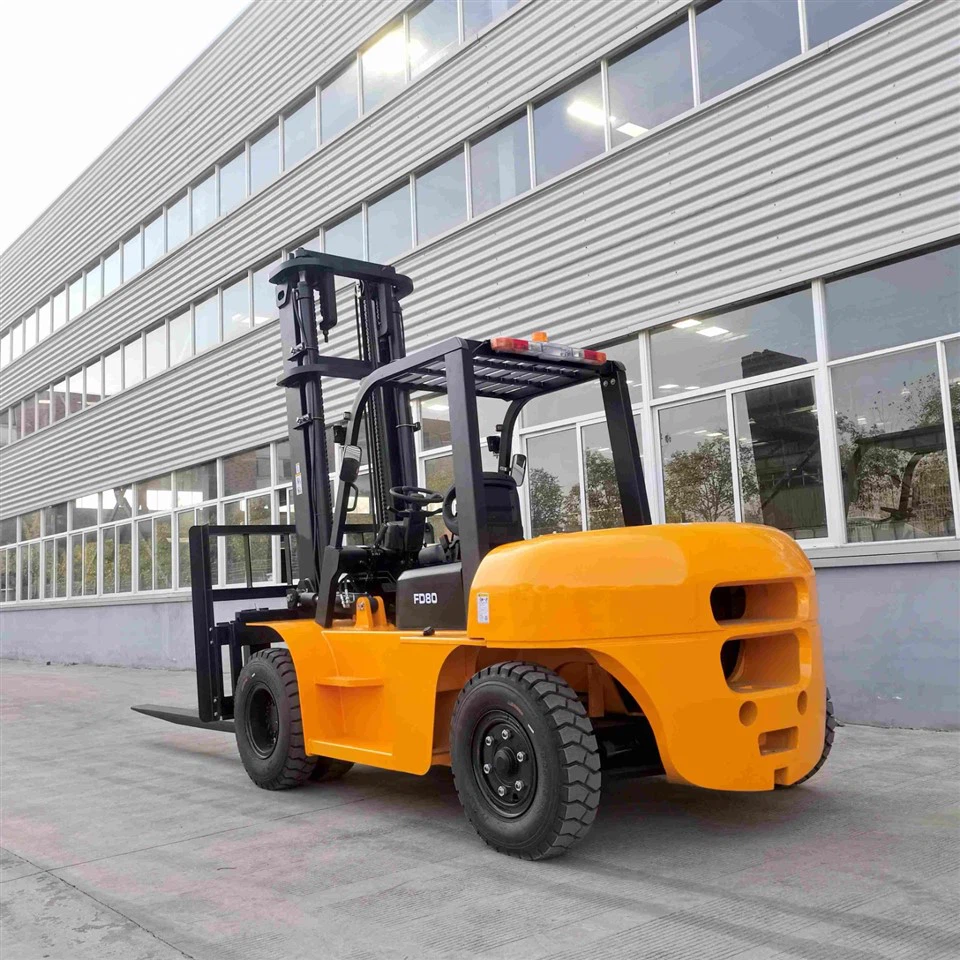
Locate the ignition key. It's usually in a dashboard - mounted ignition switch. Insert the key and turn it to the "On" position. Don't start the engine just yet. Let the key stay in the "On" position for a few seconds. This allows the electrical system to power up and the engine control unit to perform its self - checks.
If your forklift has a glow plug indicator, wait for it to go out. Glow plugs are used in diesel engines to heat the air in the combustion chamber, especially in cold weather. Once the glow plug indicator goes out, it means the glow plugs are hot enough and it's safe to start the engine.
Now, turn the key further to start the engine. You may need to hold the key in the start position for a few seconds until the engine starts. If the engine doesn't start on the first try, don't keep cranking it continuously. Wait for a few seconds and then try again. Continuous cranking can drain the battery and damage the starter motor.
Once the engine starts, let it idle for a few minutes. This allows the engine oil to circulate properly and the engine to warm up. During this time, listen for any unusual noises. If you hear knocking, rattling, or any other strange sounds, turn off the engine immediately and check for problems.
Operating the Forklift
After the engine has warmed up, you're ready to start operating the forklift. Familiarize yourself with the controls. There are usually levers for lifting, lowering, tilting the mast, and moving the forks forward and backward.
Before you start moving the forklift, make sure the area is clear of obstacles. Use your horn to alert others in the vicinity that you're about to move. When you're ready to move, slowly release the parking brake.
Start moving the forklift forward or backward using the accelerator pedal. Go slowly at first, especially if you're not familiar with the machine. As you gain more confidence, you can increase your speed, but always stay within the safe speed limits.
When you're lifting or lowering a load, use the appropriate controls. Make sure the load is centered on the forks and is within the forklift's capacity. Overloading the forklift can cause it to tip over.
Other Forklift Options
If a 4 - ton diesel forklift isn't exactly what you need, we also offer other great options. For lighter loads, we have Forklift Diesel 2 Tons. It's a great choice for smaller warehouses or applications where you don't need as much lifting capacity.
On the other hand, if you need a heavy - duty forklift for really large loads, we have the 8 Ton Forklift Heavy Duty and the 10 Ton Diesel Forklift - FD100. These forklifts are built to handle the toughest jobs and can make your heavy - lifting tasks a whole lot easier.
Contact for Purchase
If you're interested in our 4 - ton diesel forklift or any of our other products, don't hesitate to reach out. We're here to help you find the right forklift for your needs and answer any questions you may have. Whether you're a small business owner or part of a large corporation, we can provide you with high - quality forklifts and excellent customer service. Let's have a chat and see how we can work together to improve your material - handling operations.
References
- Forklift Operator's Manuals
- Industry Standards for Forklift Safety and Operation


