

Hey there! I'm a supplier of specialized equipment, and today I'm super stoked to chat with you about the ergonomic design features of these amazing machines. You know, in the world of specialized equipment, ergonomics isn't just a fancy buzzword; it's a crucial factor that can make a huge difference in terms of user comfort, productivity, and safety.
Let's kick things off by talking about why ergonomic design matters so much. When operators are using specialized equipment for long hours, they need to be comfortable. If the equipment isn't designed with their bodies in mind, they can quickly start to feel fatigued, which can lead to mistakes and even accidents. Plus, a comfortable operator is a more productive one. They can focus better on the task at hand and get the job done more efficiently.
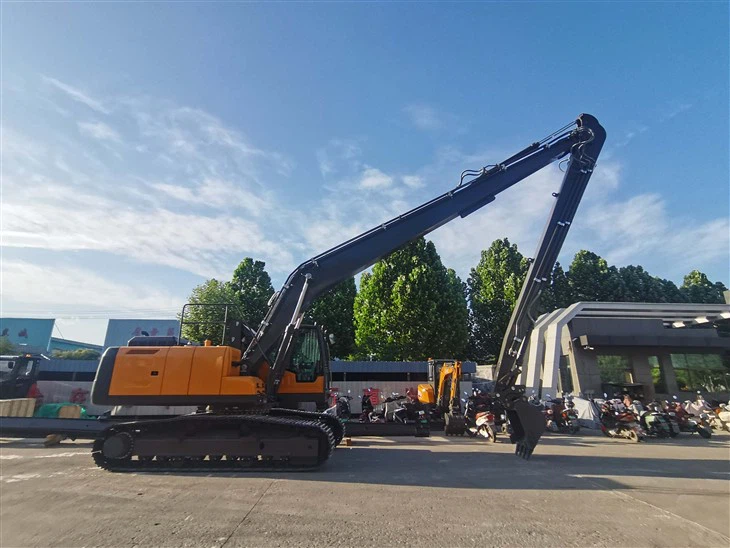
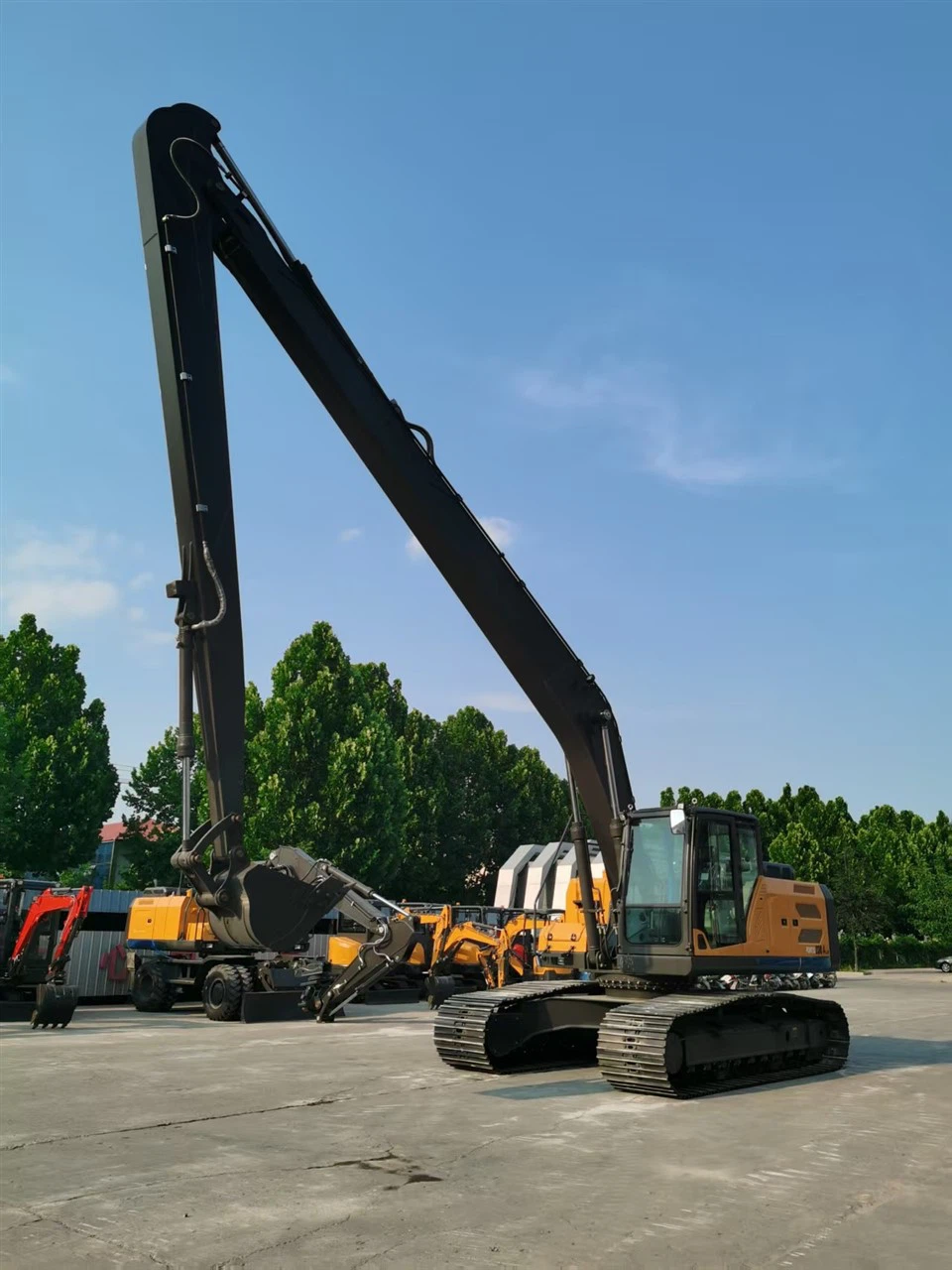
One of the key ergonomic design features you'll find in a lot of specialized equipment is adjustable controls. You see, not everyone has the same body size and shape, so having controls that can be adjusted to fit the operator is a game - changer. For example, in a Long Arm Excavator, the seat controls can often be adjusted in multiple ways. You can change the height, the angle, and even the lumbar support. This means that no matter if you're tall, short, or somewhere in between, you can find the perfect position to operate the machine without straining your back or neck.
Another important aspect is the layout of the controls. In well - designed specialized equipment, the controls are placed in an intuitive and easy - to - reach manner. You don't want the operator to have to stretch their arms or twist their bodies in awkward positions just to access a control. For instance, in some heavy - duty machinery, the most frequently used controls are grouped together in a central location. This allows the operator to quickly and easily operate the machine without having to take their eyes off the work area for too long.
Visibility is also a major part of ergonomic design. Operators need to have a clear view of what they're doing. In a Long Arm Excavator, large windows and strategically placed mirrors are common features. The large windows give the operator a broad field of vision, so they can see the terrain, the materials they're moving, and any potential obstacles. The mirrors are placed in such a way that they cover the blind spots, ensuring that the operator can keep an eye on everything around the machine.
Noise and vibration reduction are two more essential ergonomic features. Working around noisy and vibrating equipment for long periods can be really hard on the human body. It can cause hearing loss, hand - arm vibration syndrome, and other health problems. That's why modern specialized equipment often comes with advanced noise - cancellation technology and vibration - dampening systems. For example, the engines are enclosed in sound - proof cabins, and the seats are equipped with shock absorbers to reduce the impact of vibrations.
The handles and grips on the equipment are also designed with ergonomics in mind. They're usually made of soft, non - slip materials that fit comfortably in the operator's hand. This not only makes it easier for the operator to hold and operate the controls but also reduces the risk of hand fatigue and blisters. Some handles even have a contoured shape that mimics the natural curvature of the hand, providing a more comfortable and secure grip.
In addition to the physical design features, software - based ergonomic improvements are also becoming more common. For example, some specialized equipment comes with intelligent control systems that can adjust the machine's operation based on the operator's input. These systems can provide feedback to the operator, such as suggesting the optimal speed or pressure for a particular task. This not only makes the operation easier but also helps to conserve energy and reduce wear and tear on the equipment.
Now, let's talk about how these ergonomic design features translate into real - world benefits. First of all, as I mentioned earlier, they improve the comfort of the operators. When operators are comfortable, they're more likely to enjoy their work, which can lead to higher job satisfaction. This, in turn, can reduce employee turnover rates, which is a major advantage for companies using specialized equipment.
Secondly, ergonomic design can significantly improve productivity. With adjustable controls, clear visibility, and intuitive operation, operators can work faster and more accurately. They don't have to waste time adjusting to uncomfortable working conditions or dealing with hard - to - reach controls. This means that projects can be completed more quickly, and companies can take on more jobs in the same amount of time.
Safety is another huge benefit. By reducing fatigue, improving visibility, and providing better control, ergonomic design can prevent accidents. In the construction and mining industries, where specialized equipment is commonly used, safety is of the utmost importance. A single accident can not only cause injuries or even fatalities but also result in significant financial losses for the company.
So, if you're in the market for specialized equipment, don't overlook the importance of ergonomic design. It's not just about making the equipment more comfortable to use; it's about making it more efficient, productive, and safe. As a specialized equipment supplier, I've seen firsthand the positive impact that ergonomic design can have on both the operators and the businesses using the equipment.
If you're interested in learning more about our products or have any questions about the ergonomic design features of our specialized equipment, don't hesitate to reach out. We're always happy to have a chat and help you find the perfect equipment for your needs. Whether you're a small - scale contractor or a large - scale construction company, we've got the right solution for you. Let's start a conversation and see how we can work together to improve your operations with our high - quality, ergonomically designed specialized equipment.
References
- Relevant research on ergonomic design in heavy machinery industry
- Industry standards and guidelines for ergonomic design of specialized equipment


