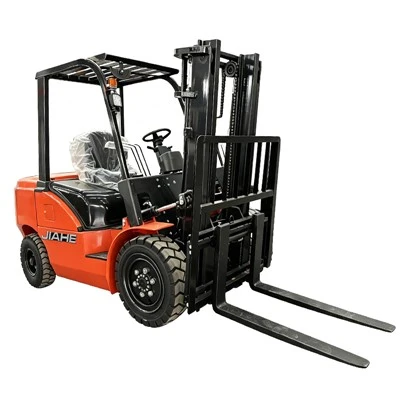
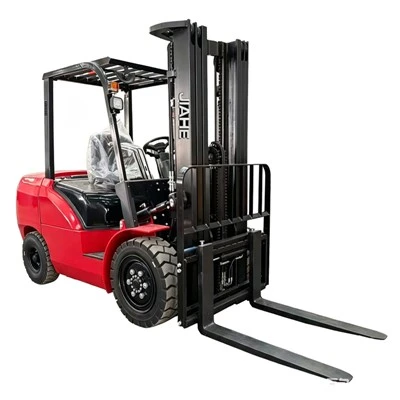
Diesel forklifts are vital workhorses in various industrial settings, from warehouses to construction sites. Regular maintenance is crucial to ensure their optimal performance and longevity. One of the most important maintenance tasks is replacing the filters. In this blog post, as a diesel forklift supplier, I'll guide you through the process of replacing different filters in a diesel forklift.
Understanding the Different Filters in a Diesel Forklift
Before we dive into the replacement process, it's essential to understand the different types of filters in a diesel forklift and their functions.

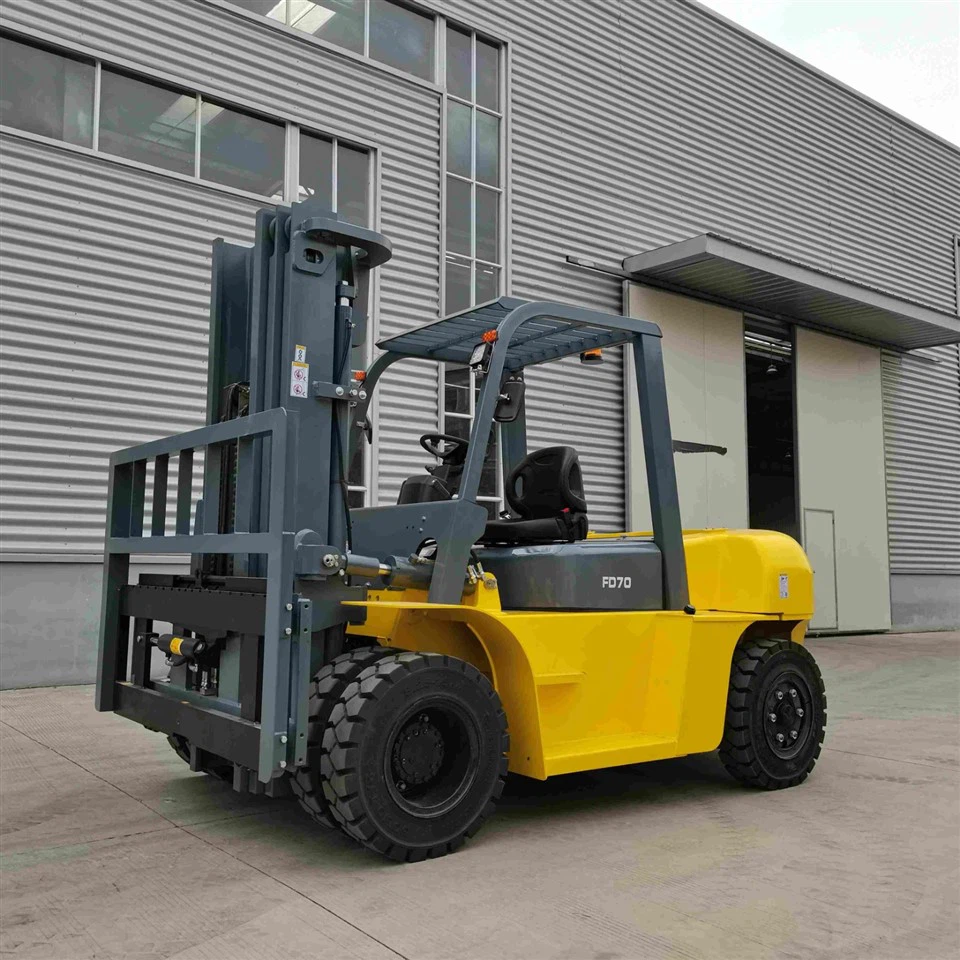
- Air Filter: The air filter prevents dust, dirt, and other contaminants from entering the engine's combustion chamber. A clean air filter ensures that the engine receives a sufficient amount of clean air, which is necessary for efficient combustion and power generation.
- Fuel Filter: The fuel filter removes impurities, such as dirt, water, and rust, from the diesel fuel before it reaches the engine. A clogged fuel filter can restrict fuel flow, leading to poor engine performance, reduced power, and even engine damage.
- Oil Filter: The oil filter removes contaminants, such as metal particles, dirt, and sludge, from the engine oil. Clean engine oil is essential for lubricating the engine's moving parts, reducing friction, and preventing wear and tear.
Tools and Materials You'll Need
Before you start replacing the filters, gather the following tools and materials:
- New air filter, fuel filter, and oil filter (make sure they are compatible with your forklift's make and model)
- Wrench or socket set
- Drain pan
- Gloves
- Safety glasses
Replacing the Air Filter
- Locate the Air Filter Housing: The air filter housing is usually located near the engine. It is typically a rectangular or cylindrical box with a cover.
- Remove the Air Filter Housing Cover: Use a wrench or socket set to remove the bolts or clips that hold the cover in place. Carefully lift the cover off the housing.
- Remove the Old Air Filter: Gently lift the old air filter out of the housing. Inspect the filter for dirt, debris, or damage. If the filter is dirty or damaged, it should be replaced.
- Install the New Air Filter: Place the new air filter into the housing, making sure it is properly seated. Replace the air filter housing cover and secure it with the bolts or clips.
- Check the Air Filter Indicator: Some forklifts are equipped with an air filter indicator that shows when the air filter needs to be replaced. If your forklift has an air filter indicator, check it to ensure it is reset.
Replacing the Fuel Filter
- Locate the Fuel Filter: The fuel filter is usually located along the fuel line, between the fuel tank and the engine. It is typically a cylindrical or rectangular canister with inlet and outlet ports.
- Relieve the Fuel Pressure: Before removing the fuel filter, it is important to relieve the fuel pressure to prevent fuel from spraying out. You can do this by disconnecting the fuel pump fuse or relay and then starting the engine to let it run until it stalls. This will remove the pressure from the fuel system.
- Remove the Fuel Lines: Use a wrench or socket set to loosen the fittings on the inlet and outlet ports of the fuel filter. Carefully remove the fuel lines from the filter, being careful not to spill any fuel.
- Remove the Old Fuel Filter: Use a filter wrench to loosen and remove the old fuel filter from the mounting bracket. Be prepared for some fuel to drain out when you remove the filter.
- Install the New Fuel Filter: Apply a thin layer of diesel fuel to the gasket of the new fuel filter. Install the new filter onto the mounting bracket and tighten it with a filter wrench. Make sure the filter is tightened securely, but do not over-tighten it.
- Reconnect the Fuel Lines: Reconnect the fuel lines to the inlet and outlet ports of the new fuel filter. Tighten the fittings with a wrench or socket set.
- Prime the Fuel System: If your forklift has a manual fuel pump, use it to prime the fuel system. This will ensure that there is fuel in the system and that the engine can start properly.
- Check for Leaks: Start the engine and check for any fuel leaks around the fuel filter and fuel lines. If you notice any leaks, tighten the fittings or replace the gasket as necessary.
Replacing the Oil Filter
- Locate the Oil Filter: The oil filter is usually located near the engine block. It is typically a cylindrical canister with a threaded base.
- Drain the Engine Oil: Before removing the oil filter, it is important to drain the engine oil. Place a drain pan under the oil drain plug and use a wrench or socket set to loosen the plug. Allow the oil to drain completely into the pan.
- Remove the Old Oil Filter: Use an oil filter wrench to loosen and remove the old oil filter from the engine block. Be prepared for some oil to drain out when you remove the filter.
- Install the New Oil Filter: Apply a thin layer of engine oil to the gasket of the new oil filter. Install the new filter onto the engine block and tighten it with an oil filter wrench. Make sure the filter is tightened securely, but do not over-tighten it.
- Refill the Engine Oil: Use a funnel to refill the engine with the recommended amount and type of engine oil. Check the oil level using the dipstick and add more oil if necessary.
- Check for Leaks: Start the engine and check for any oil leaks around the oil filter and oil drain plug. If you notice any leaks, tighten the fittings or replace the gasket as necessary.
Importance of Regular Filter Replacement
Regularly replacing the filters in your diesel forklift is essential for maintaining its performance and reliability. Here are some reasons why:
- Improved Engine Performance: Clean filters ensure that the engine receives a sufficient amount of clean air, fuel, and oil, which is necessary for efficient combustion and power generation. This results in improved engine performance, reduced fuel consumption, and increased power.
- Extended Engine Life: By removing contaminants from the air, fuel, and oil, the filters help to protect the engine's moving parts from wear and tear. This extends the engine's life and reduces the risk of costly repairs.
- Reduced Emissions: A properly maintained diesel forklift with clean filters produces fewer emissions, which is better for the environment and helps to comply with environmental regulations.
- Enhanced Safety: A well-maintained forklift is safer to operate. By keeping the engine running smoothly and reducing the risk of breakdowns, the filters help to ensure the safety of the operator and other workers in the workplace.
Conclusion
Replacing the filters in a diesel forklift is a relatively simple maintenance task that can have a significant impact on the forklift's performance and longevity. By following the steps outlined in this blog post, you can ensure that your forklift's filters are replaced regularly and that your forklift operates at its best.
At our company, we offer a wide range of high-quality diesel forklifts, including Forklift 4 Ton Diesel, 8 Ton Forklift Heavy Duty, 3.5 Ton Diesel Forklift, 10 Ton Diesel Forklift - FD100, and Forklift Diesel 7 Tons. If you are in the market for a new diesel forklift or need replacement filters for your existing forklift, please contact us to discuss your requirements. We are here to help you find the right forklift and provide you with the support and service you need to keep your forklift running smoothly.
References
- "Diesel Forklift Maintenance Guide" - Various industrial equipment manufacturers' manuals.
- "Forklift Safety and Maintenance Best Practices" - Industry safety and maintenance publications.