How to Replace the Hydraulic Hoses in a Wheel Excavator
Hey there! I'm a supplier of wheel excavators, and I've seen firsthand how important it is to keep these machines in top - notch condition. One crucial yet sometimes overlooked maintenance task is replacing the hydraulic hoses. In this blog, I'll walk you through the process step by step.
First off, let's understand why hydraulic hoses are so vital. Hydraulic hoses are like the blood vessels of a wheel excavator. They carry hydraulic fluid under high pressure, which is necessary for the movement of various components such as the boom, arm, and bucket. Over time, these hoses can wear out due to factors like abrasion, high pressure, and exposure to the elements. If a damaged hose isn't replaced promptly, it can lead to leaks, reduced performance, and even costly breakdowns.
Before you start replacing the hydraulic hoses, you'll need to gather the right tools and materials. You'll need a set of wrenches that fit the hose fittings, a pair of cutting pliers, a new hydraulic hose that matches the specifications of the old one, and some hydraulic fluid. Oh, and don't forget safety gear like gloves and safety glasses—you don't want hydraulic fluid splashing in your eyes!
The first step in the replacement process is to relieve the hydraulic pressure in the system. This is super important because working on a pressurized system can be extremely dangerous. You can do this by turning off the engine of the wheel excavator and then operating the controls a few times to release any residual pressure. Make sure to put the machine in a safe position and use chocks to prevent it from rolling.
Once the pressure is relieved, it's time to locate the damaged hose. You'll typically find hydraulic hoses running along the boom, arm, and other moving parts of the excavator. Follow the hoses from the hydraulic cylinders to the valves and look for any signs of damage, such as cracks, bulges, or leaks. If you're having trouble finding the exact location, you can refer to the machine's manual for a diagram of the hydraulic system.
After you've found the damaged hose, it's time to remove it. Start by using the wrenches to loosen the fittings at both ends of the hose. Be careful not to overtighten or cross - thread the fittings when you're loosening them. Once the fittings are loose, you can use the cutting pliers to carefully remove any clamps or brackets holding the hose in place. Then, gently pull the hose out of the system.
Now it's time to prepare the new hose. Check the new hose to make sure it's the right length and has the correct fittings. You may need to trim the ends of the hose slightly to fit it properly. Use the wrenches to attach the fittings to the new hose, making sure they're tightened securely.
Next, it's time to install the new hose. Carefully place the new hose in the same position as the old one. Make sure it's routed correctly and not kinked or twisted. Reattach any clamps or brackets to hold the hose in place. Then, use the wrenches to tighten the fittings at both ends of the hose. Make sure you don't overtighten them, as this can damage the fittings and cause leaks.
Once the new hose is installed, it's time to refill the hydraulic system with fluid. Locate the hydraulic fluid reservoir and use a funnel to pour in the recommended amount of fluid. Check the fluid level regularly and make sure it's within the recommended range.
After refilling the system, start the engine of the wheel excavator and operate the controls to test the new hose. Look for any signs of leaks around the fittings or along the hose. If you notice any leaks, stop the engine immediately and tighten the fittings or check for other issues.
There you have it! That's how you replace the hydraulic hoses in a wheel excavator. It's a bit of work, but it's an essential maintenance task that can save you a lot of headaches in the long run.
Now, let me tell you a bit about the wheel excavators we offer. We have a wide range of models to suit different needs. For example, we have the Excavator with Multiple Attachments 7.5 Ton, which is great for smaller - scale jobs and can be equipped with different attachments for added versatility.

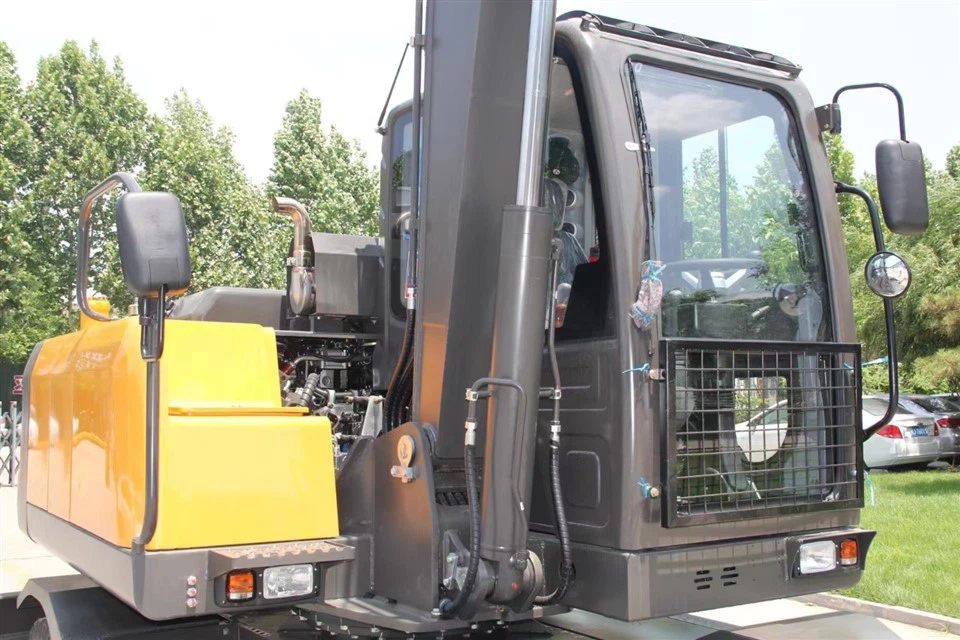
If you need more power, our 12 Ton Wheel Excavator is a great option. It's built to handle more demanding tasks and can work efficiently in various environments.
For those in the forestry or material - handling business, the Brand New Digger Wood Grab Excavator 10.5 Ton is a game - changer. With its wood grab attachment, it can easily handle logs and other materials.
Our 18 Ton Wheel Excavator Agricultural Use is perfect for agricultural work. It's designed to be efficient and reliable in the field, making it a valuable asset for farmers.
And if you need a medium - sized excavator with good power and performance, the Wheel Excavator 15 Ton Excavator is definitely worth considering.
We always strive to provide high - quality wheel excavators and excellent after - sales service. If you're interested in purchasing a wheel excavator or have any questions about maintenance, don't hesitate to reach out. We're here to help you find the right machine for your needs and keep it running smoothly.
References
- "Wheel Excavator Maintenance Manuals" - Various manufacturers' manuals.
- "Hydraulic Systems Handbook" - Industry - standard handbook on hydraulic systems.