

Hey there! As a supplier of specialized equipment, I've seen my fair share of breakdowns and emergencies. In this blog, I'm gonna share some tips on how to perform emergency repairs on specialized equipment. Whether you're a contractor, a construction worker, or just someone who uses specialized equipment on a regular basis, these tips can come in handy when things go wrong.
Understanding the Equipment
The first step in performing emergency repairs is to have a good understanding of the equipment you're working with. This means knowing how it operates, what its components are, and how they interact with each other. You should also be familiar with the equipment's maintenance schedule and any recommended repair procedures.
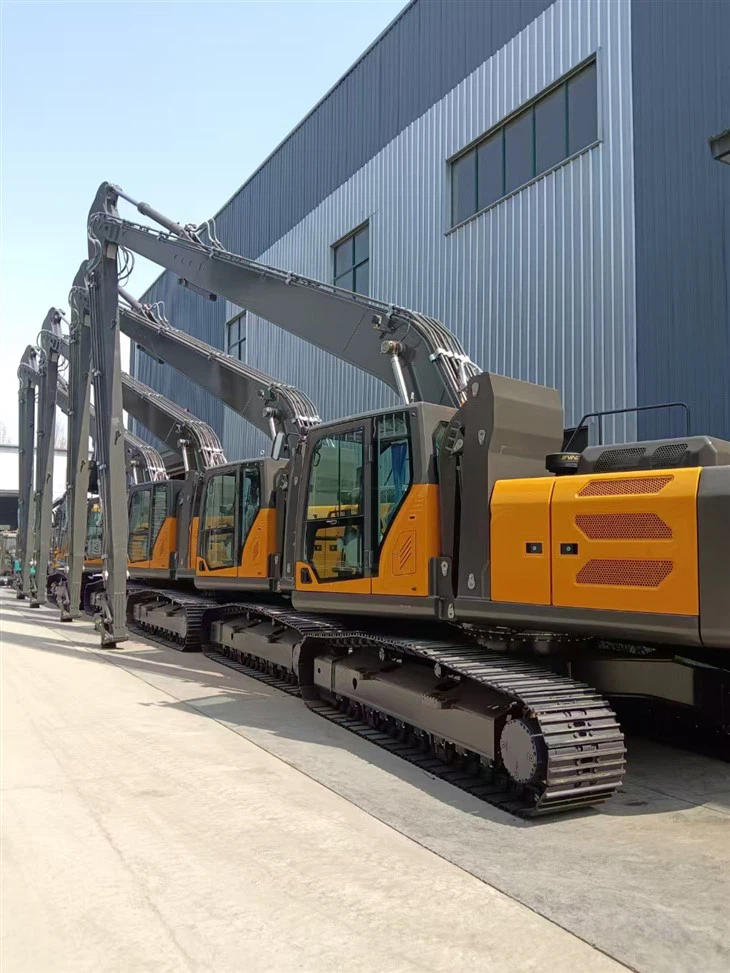
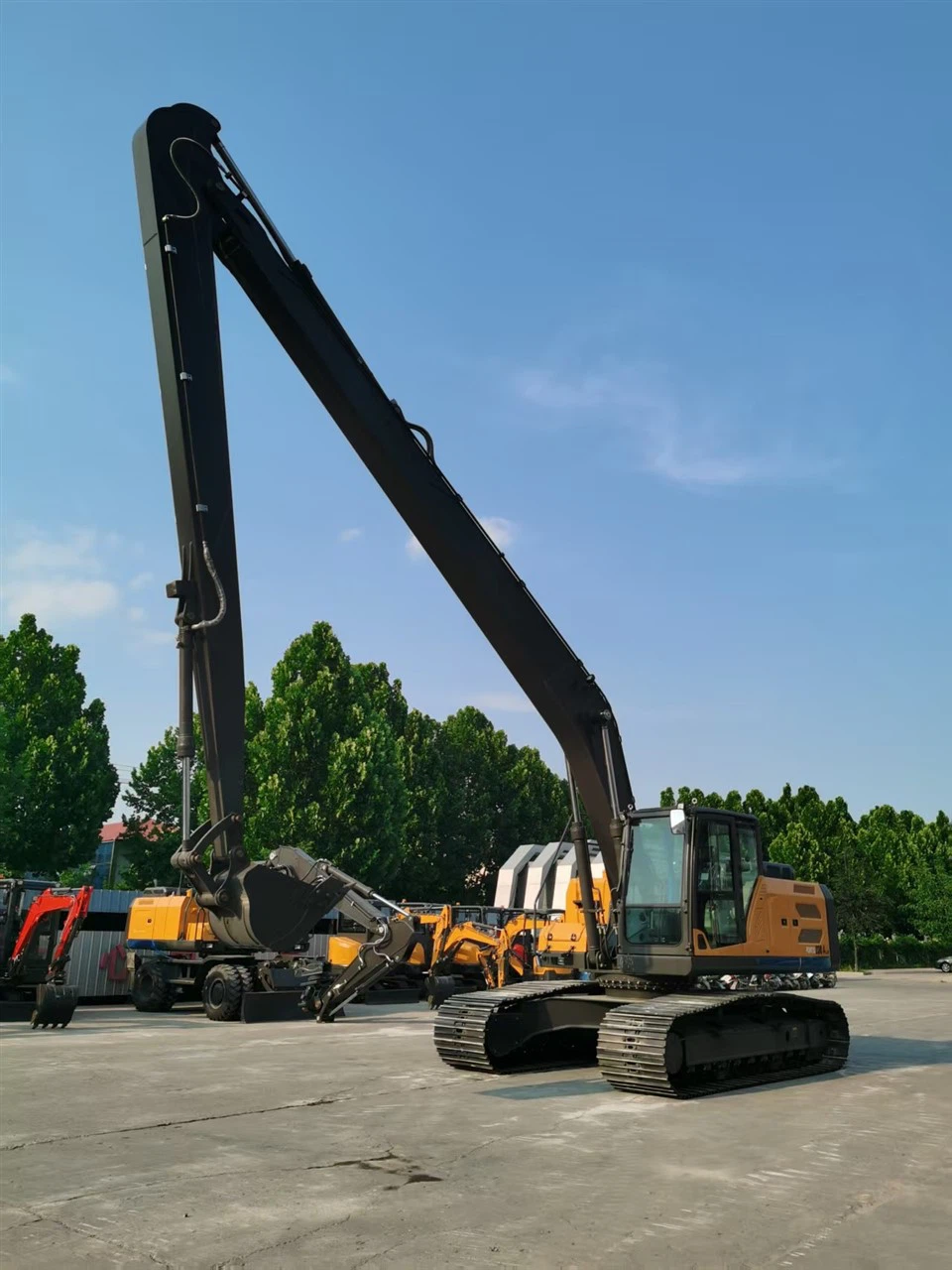
For example, if you're dealing with a Long Arm Excavator, you need to know how the boom, arm, and bucket work together. You should also be aware of the hydraulic system that powers these components and how to troubleshoot any issues that may arise.
Safety First
Before you start any repair work, it's crucial to prioritize safety. Make sure the equipment is turned off and disconnected from any power sources. Wear appropriate safety gear, such as gloves, goggles, and hard hats. If the equipment is large or heavy, use proper lifting equipment and follow all safety protocols.
Identifying the Problem
Once you've ensured your safety, the next step is to identify the problem. This may involve conducting a visual inspection of the equipment, checking for any obvious signs of damage or wear. You can also use diagnostic tools, such as multimeters or pressure gauges, to help pinpoint the issue.
For instance, if the equipment is not starting, you might check the battery connections, the fuel system, or the ignition system. If there's a hydraulic leak, you'll need to locate the source of the leak and determine if it's a minor or major problem.
Gathering the Necessary Tools and Parts
After identifying the problem, you'll need to gather the necessary tools and parts for the repair. This may include wrenches, screwdrivers, pliers, and replacement parts such as filters, hoses, or seals. It's a good idea to keep a well-stocked toolbox and a supply of common replacement parts on hand.
If you don't have the required parts, you may need to order them. Make sure to order the correct parts for your specific equipment model. You can usually find this information in the equipment's manual or by contacting the manufacturer.
Performing the Repair
Once you have the tools and parts, it's time to start the repair. Follow the manufacturer's recommended repair procedures as closely as possible. If you're not sure how to perform a particular repair, consult the equipment's manual or seek advice from a professional.
For example, if you're replacing a hydraulic hose, you'll need to drain the hydraulic fluid, remove the old hose, and install the new one. Make sure to tighten all the connections properly to prevent leaks.
Testing the Equipment
After completing the repair, it's important to test the equipment to make sure it's working properly. Start the equipment and check for any abnormal noises, vibrations, or leaks. If everything seems to be in order, you can gradually increase the load on the equipment to ensure it can handle normal operating conditions.
Preventive Maintenance
To minimize the need for emergency repairs, it's important to perform regular preventive maintenance on your specialized equipment. This includes tasks such as oil changes, filter replacements, and inspections of the equipment's components.
By following a regular maintenance schedule, you can catch potential problems early and address them before they turn into major issues. This can save you time and money in the long run.
When to Call a Professional
While it's possible to perform many emergency repairs on your own, there are times when it's best to call a professional. If you're dealing with a complex problem or if you're not confident in your ability to perform the repair, it's better to seek the help of a trained technician.
A professional technician has the knowledge, experience, and tools to diagnose and repair complex problems quickly and safely. They can also provide you with advice on how to maintain your equipment to prevent future breakdowns.
Conclusion
Performing emergency repairs on specialized equipment can be challenging, but with the right knowledge, tools, and approach, it's definitely doable. By understanding the equipment, prioritizing safety, identifying the problem, gathering the necessary tools and parts, performing the repair, testing the equipment, and following a preventive maintenance schedule, you can keep your specialized equipment in good working condition.
If you're in the market for specialized equipment or need more information on emergency repairs, don't hesitate to reach out. We're here to help you find the right equipment for your needs and provide you with the support you need to keep it running smoothly.
References
- Manufacturer's equipment manuals
- Industry best practices for equipment maintenance and repair


