

Hey there! As a supplier of Cummins engines, I often get asked if these engines can run on alternative fuels. Well, let's dive right into this topic and explore the possibilities.
First off, what are alternative fuels? We're talking about stuff like biodiesel, natural gas, propane, and even hydrogen. These fuels are seen as more environmentally friendly and sometimes more cost - effective compared to traditional diesel.
Cummins has been at the forefront of engine technology for a long time, and they've been doing a lot of research on alternative fuels. Let's start with biodiesel. Biodiesel is made from renewable resources like vegetable oils and animal fats. Cummins engines are pretty flexible when it comes to biodiesel. Many of their engines can run on blends of biodiesel and regular diesel. For example, some models can handle B20, which is a blend of 20% biodiesel and 80% petroleum - based diesel. This is great news for those looking to reduce their carbon footprint. Using biodiesel can lower emissions of particulate matter, carbon monoxide, and hydrocarbons. And the best part is, you don't have to make major modifications to the engine to use B20. It's a relatively easy way to start using an alternative fuel.
Now, let's talk about natural gas. Natural gas is another popular alternative fuel. It's cleaner burning than diesel, producing fewer greenhouse gas emissions. Cummins has developed a range of engines that are specifically designed to run on natural gas. These engines offer similar performance to their diesel counterparts but with the added benefit of being more environmentally friendly. For instance, the Cummins L9 162kW 217hp can be configured to run on natural gas. This engine is commonly used in medium - duty trucks, buses, and industrial applications. With natural gas, you get a quieter engine operation and potentially lower fuel costs, especially if you have access to a reliable natural gas supply.
Propane is also an option. Propane engines have been around for a while, and Cummins has some models that can run on this fuel. Propane is a clean - burning fuel that can be a good choice for certain applications, like forklifts and some small - to - medium - sized vehicles. The Cummins F2.8 36kW 49hp is an example of an engine that can be adapted to run on propane. Propane engines generally have lower maintenance costs and can offer good performance.

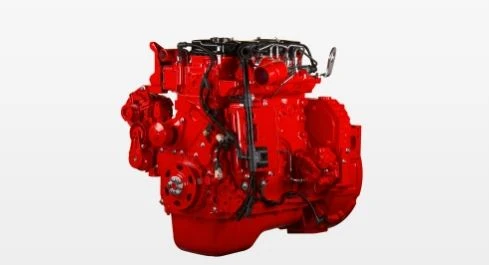
Hydrogen is the new kid on the block when it comes to alternative fuels. Cummins is investing a lot in hydrogen technology. Hydrogen engines have the potential to be zero - emission, as the only by - product of burning hydrogen is water. While hydrogen engines are still in the development stage, Cummins is making significant progress. The idea is to have engines that can run on pure hydrogen or a blend of hydrogen and other fuels. This could revolutionize the transportation and industrial sectors, especially as the infrastructure for hydrogen production and distribution improves.
But it's not all rainbows and unicorns. There are some challenges when using alternative fuels in Cummins engines. For one, the availability of alternative fuels can be an issue. Not all areas have easy access to biodiesel, natural gas, or hydrogen. Also, the cost of converting an engine to run on an alternative fuel can be high. You might need to install new fuel injection systems, storage tanks, and other components. And in some cases, the performance of the engine might be slightly different when using alternative fuels. For example, biodiesel has a lower energy density than diesel, which means you might get slightly lower fuel efficiency.
Another thing to consider is the quality of the alternative fuel. Biodiesel, for instance, needs to meet certain standards to ensure it doesn't cause problems in the engine. If the biodiesel is of poor quality, it can lead to clogged fuel filters, injector problems, and other issues. So, it's important to source high - quality alternative fuels.
Despite these challenges, the benefits of using alternative fuels in Cummins engines are significant. From an environmental perspective, it helps reduce emissions and dependence on fossil fuels. From a cost perspective, in the long run, it can save money, especially if fuel prices for traditional diesel continue to rise.
If you're in the market for a Cummins engine and are interested in using alternative fuels, we're here to help. We can provide you with detailed information about which engines are compatible with different alternative fuels, the conversion process, and any maintenance requirements. Whether you're looking for a small engine like the Cummins B3.9 59kW 80hp for a light - duty application or a larger engine for a heavy - duty truck, we've got you covered.
We understand that every customer's needs are different. That's why we offer personalized solutions. We can work with you to determine the best alternative fuel option for your specific application and budget. Our team of experts has in - depth knowledge of Cummins engines and alternative fuels, and we're committed to providing you with the best service possible.
So, if you're thinking about making the switch to alternative fuels for your Cummins engine, don't hesitate to reach out. We're here to answer all your questions and guide you through the process. Let's work together to make your operations more sustainable and cost - effective.
References
- Cummins official documentation on alternative fuels
- Industry reports on alternative fuel usage in engines
- Technical studies on the performance of Cummins engines with alternative fuels


