

Hey there, fellow forklift enthusiasts! I'm a supplier of 5 Ton Diesel Forklifts, and today I'm gonna walk you through how to check the coolant level in these bad boys. It's a crucial part of forklift maintenance, and getting it right can save you a whole lot of headaches down the road.
Why Checking Coolant Level Matters
First off, let's talk about why checking the coolant level is so important. The coolant in your 5 Ton Diesel Forklift plays a vital role in keeping the engine at the right temperature. If the coolant level is too low, the engine can overheat, which can lead to serious damage. Overheating can cause things like warped cylinder heads, blown gaskets, and even a seized engine. And trust me, none of those are cheap or easy to fix.
Tools You'll Need
Before you start checking the coolant level, you'll need a few tools. You'll need a pair of safety gloves to protect your hands from the hot engine components. You'll also need a flashlight, especially if the coolant reservoir is in a hard-to-see spot. And of course, you'll need a coolant that's compatible with your forklift. Make sure to check your forklift's manual to find out what type of coolant you should use.
Step-by-Step Guide to Checking the Coolant Level
Okay, let's get started. Here's a step-by-step guide on how to check the coolant level in your 5 Ton Diesel Forklift:
- Park the Forklift on a Level Surface: Make sure the forklift is parked on a flat, level surface. This will ensure that the coolant level is accurate.
- Let the Engine Cool Down: The coolant can be very hot, so it's important to let the engine cool down before you start checking the coolant level. Wait at least 30 minutes after turning off the engine to make sure it's cool enough to touch.
- Locate the Coolant Reservoir: The coolant reservoir is usually a plastic tank located near the engine. It's often marked with a "coolant" or "antifreeze" label. If you're having trouble finding it, check your forklift's manual.
- Check the Coolant Level: Once you've located the coolant reservoir, look at the level indicator on the side of the tank. The indicator will usually have a "min" and "max" mark. The coolant level should be between these two marks. If the level is below the "min" mark, you'll need to add more coolant.
- Add Coolant if Necessary: If the coolant level is low, you'll need to add more coolant. Make sure to use the correct type of coolant for your forklift. Slowly pour the coolant into the reservoir until the level reaches the "max" mark. Be careful not to overfill the reservoir.
- Check for Leaks: After adding coolant, check for any leaks around the coolant reservoir and hoses. If you see any leaks, you'll need to have them repaired as soon as possible.
Tips for Maintaining Your Forklift's Coolant System
Checking the coolant level is just one part of maintaining your forklift's coolant system. Here are some other tips to keep your forklift's coolant system in good shape:
- Change the Coolant Regularly: Over time, the coolant can break down and lose its effectiveness. It's important to change the coolant according to your forklift's maintenance schedule.
- Flush the Coolant System: Flushing the coolant system can help remove any dirt, debris, or rust that may have built up in the system. This can help improve the performance of your forklift's coolant system.
- Inspect the Hoses and Clamps: The hoses and clamps in your forklift's coolant system can wear out over time. It's important to inspect them regularly for any signs of damage or wear. If you see any problems, replace the hoses or clamps as soon as possible.
Other Forklift Options
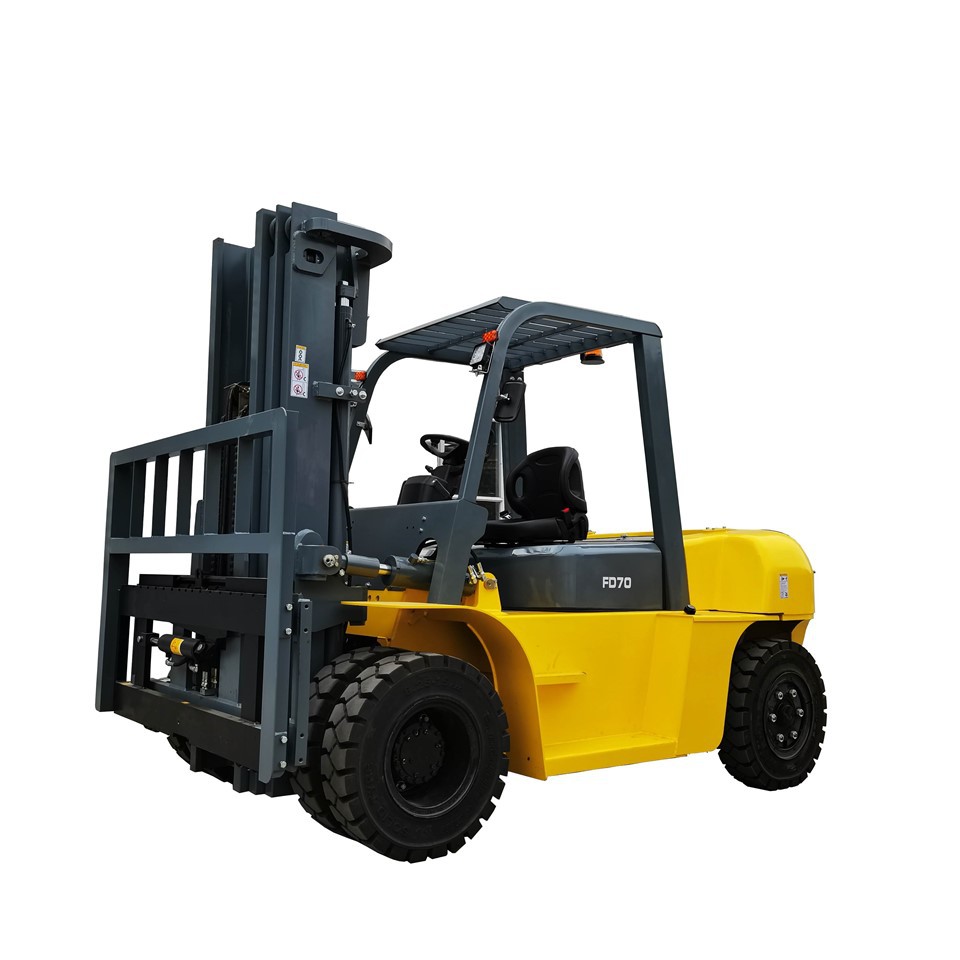
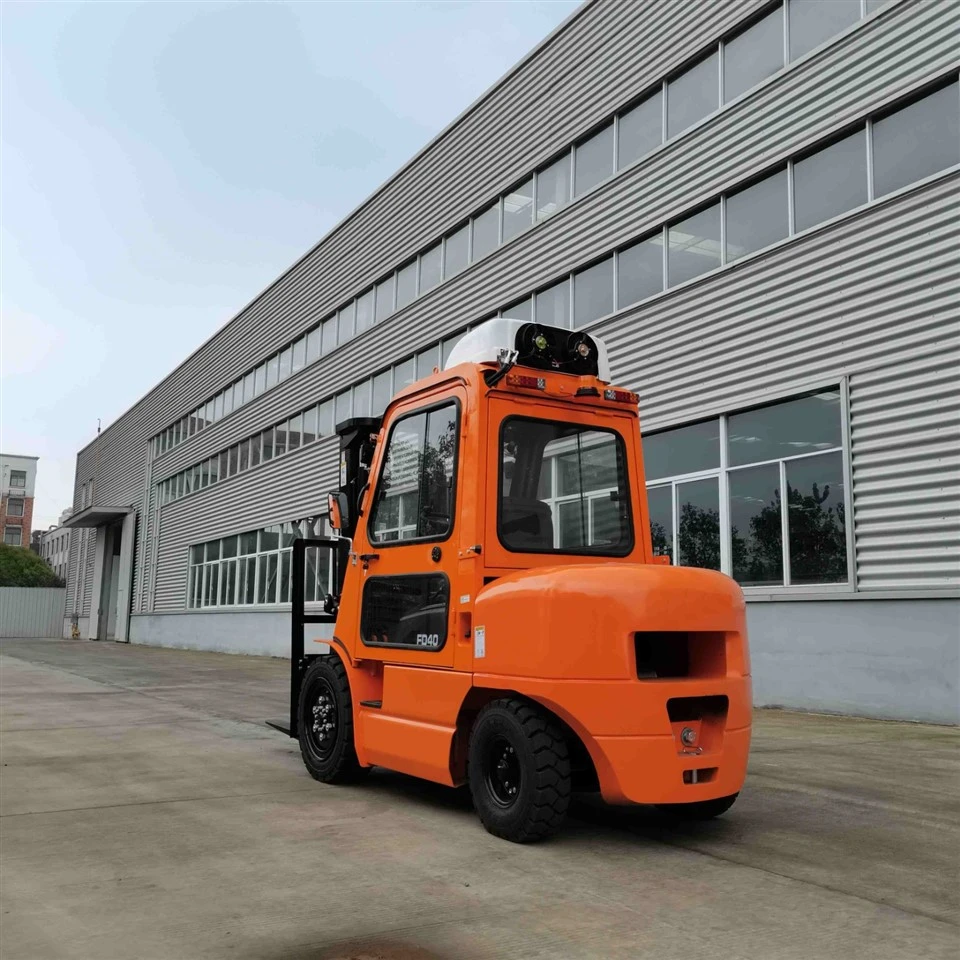
If you're in the market for a forklift, we also offer other options besides the 5 Ton Diesel Forklift. Check out our 8 Ton Forklift Heavy Duty for a more powerful option. Or if you need something a bit smaller, our Forklift Diesel 7 Tons or Forklift 4 Ton Diesel might be a good fit.
Conclusion
Checking the coolant level in your 5 Ton Diesel Forklift is a simple but important task. By following the steps outlined in this blog post, you can ensure that your forklift's coolant system is in good shape and avoid costly repairs down the road. If you have any questions or need more information, don't hesitate to reach out. We're here to help you keep your forklift running smoothly.
References
- Forklift Operator's Manual
- Coolant Manufacturer's Guidelines


