

Selecting the right long arm excavator for a project is a critical decision that can significantly impact the efficiency, safety, and overall success of your construction or excavation work. As a long - time supplier of Long Arm Excavator, I've witnessed firsthand the importance of making an informed choice. In this blog, I'll share some key factors to consider when choosing the appropriate long arm excavator for your project.
Project Requirements
The first step in choosing a long arm excavator is to understand the specific requirements of your project. Different projects have different needs in terms of reach, depth, and the type of material to be excavated.
Reach and Depth
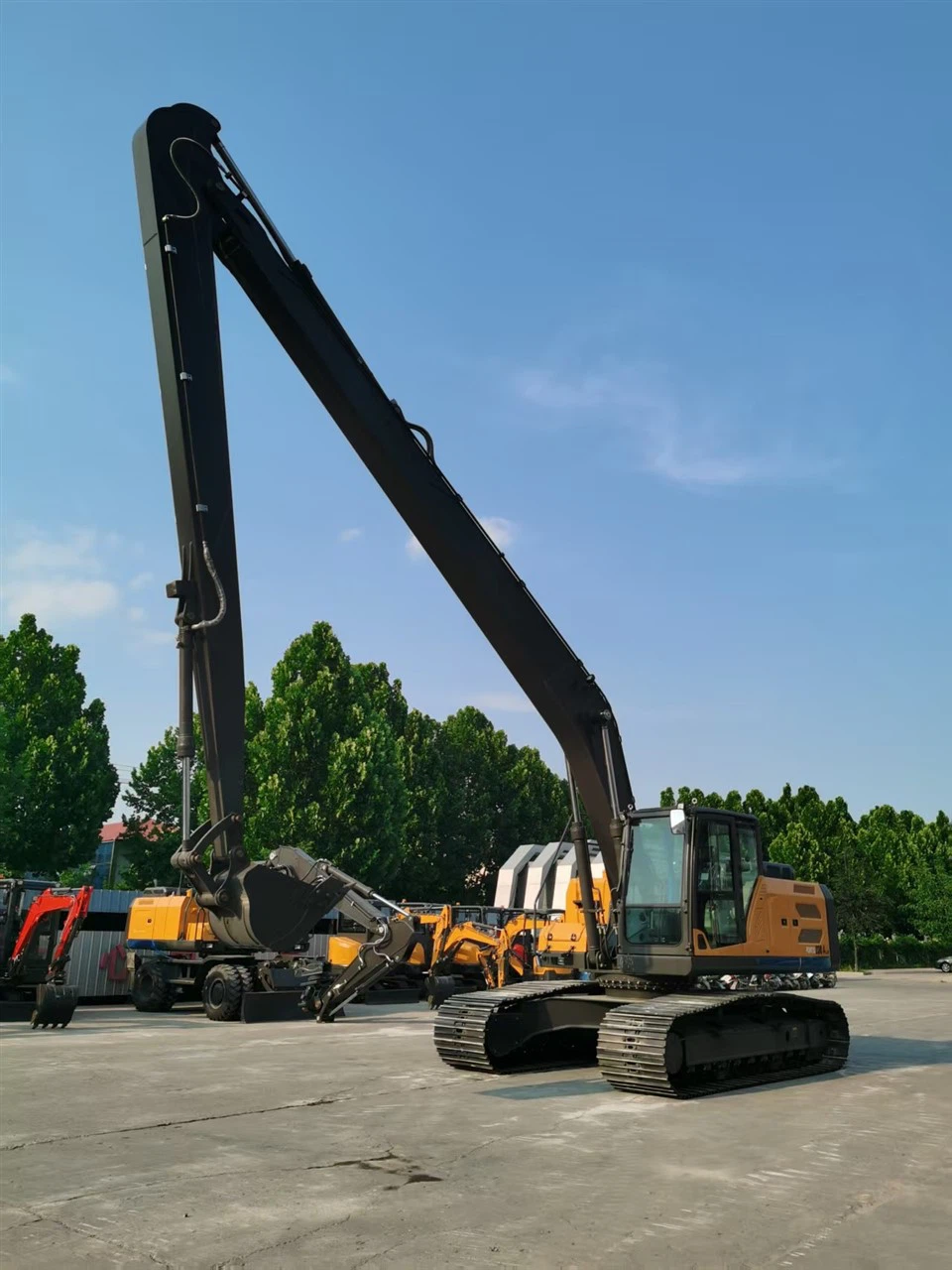
The reach and depth capabilities of a long arm excavator are crucial. For instance, if you're working on a large - scale river dredging project, you'll need an excavator with a long reach to access the middle of the river. On the other hand, if you're doing foundation work for a building, the depth of excavation will be a primary concern. Measure the maximum horizontal and vertical distances you need to cover and ensure the excavator you choose can meet these requirements. Some long arm excavators can have a reach of up to 30 meters or more, while others are designed for more moderate reaches.
Material Type
The type of material you'll be excavating also plays a significant role. If you're dealing with soft soil or sand, a less powerful excavator might suffice. However, if you're breaking through hard rock or concrete, you'll need a heavy - duty long arm excavator with a powerful hydraulic system and a strong bucket. Different buckets are designed for different materials. For example, a general - purpose bucket is suitable for loose soil, while a rock bucket with teeth is better for hard materials.
Machine Specifications
Once you've determined your project requirements, it's time to look at the machine specifications of the long arm excavators.
Operating Weight
The operating weight of the excavator affects its stability and lifting capacity. A heavier excavator is generally more stable, especially when working at extended reaches. However, it might also require more space and a stronger foundation to operate on. Consider the terrain and the working environment of your project. If you're working on a soft or uneven surface, a lighter excavator might be more suitable to avoid sinking.
Engine Power
The engine power of the long arm excavator determines its digging force and the speed at which it can operate. Higher engine power means the excavator can handle tougher jobs more efficiently. However, more power also means higher fuel consumption. You need to strike a balance between the power you need for your project and the cost of fuel. Look for excavators with efficient engines that can provide sufficient power while keeping fuel costs in check.
Hydraulic System
The hydraulic system is the heart of the long arm excavator. A high - quality hydraulic system ensures smooth and precise operation. It controls the movement of the boom, arm, and bucket. Look for excavators with advanced hydraulic systems that offer variable flow control, which allows you to adjust the speed and force of the hydraulic cylinders according to the task at hand. This can improve productivity and reduce wear and tear on the machine.
Mobility and Accessibility
The mobility and accessibility of the long arm excavator are important factors, especially if your project involves working in different locations or tight spaces.
Track or Wheel Configuration
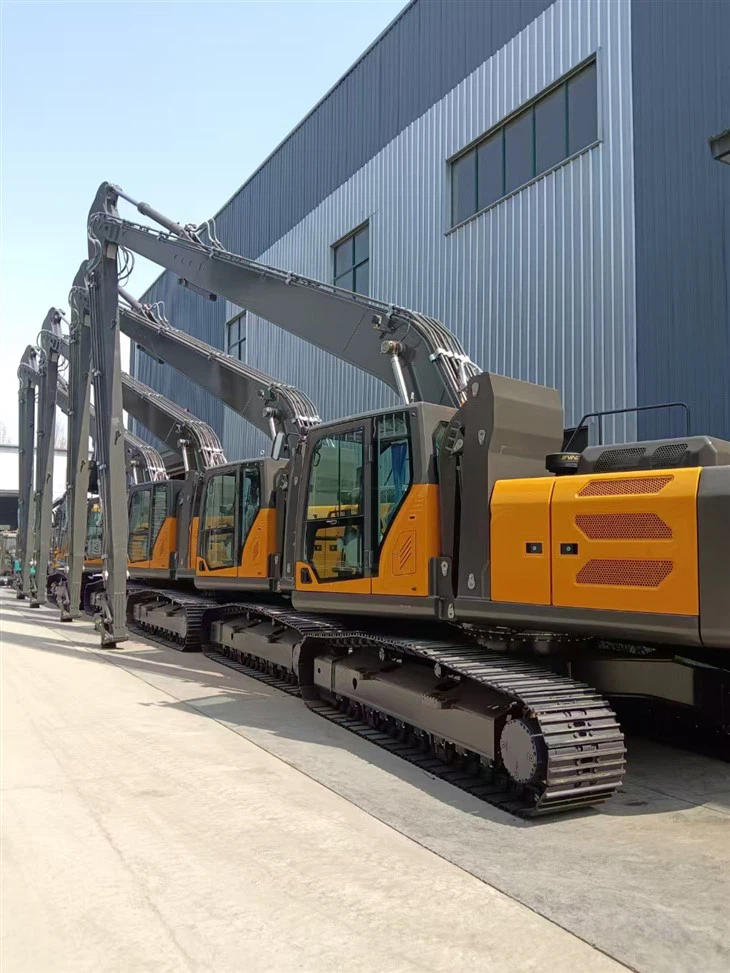
Long arm excavators come in both track and wheel configurations. Tracked excavators offer better stability and traction, making them suitable for rough or uneven terrain. They can also work on soft ground without causing much damage. On the other hand, wheeled excavators are more mobile and can travel faster on paved roads. They are ideal for projects that require frequent relocation between different sites.
Transportability
Consider how easy it is to transport the long arm excavator to and from the project site. Some excavators can be disassembled into smaller parts for easier transportation. This is especially important if you need to transport the machine over long distances or through narrow passages. Check the dimensions and weight of the excavator when it's in a transportable state and ensure that it complies with transportation regulations.
Maintenance and Support
A long arm excavator is a significant investment, and proper maintenance is essential to keep it running smoothly and extend its lifespan.
Ease of Maintenance
Look for excavators that are designed for easy maintenance. This includes features such as easy access to engine components, filters, and hydraulic hoses. Some modern excavators have self - diagnostic systems that can detect potential problems early, allowing you to address them before they become major issues.
Availability of Spare Parts
Ensure that the spare parts for the long arm excavator are readily available. This can reduce downtime in case of a breakdown. As a supplier, I recommend choosing well - known brands that have a wide network of dealers and service centers. This way, you can get the parts you need quickly and at a reasonable price.
Manufacturer Support
The support provided by the manufacturer is also crucial. A good manufacturer will offer training for operators, technical support, and warranty coverage. They should also have a responsive customer service team that can assist you with any questions or problems you might encounter during the operation of the excavator.
Cost Considerations
Cost is always a major factor when choosing a long arm excavator.
Purchase Price
The purchase price of the long arm excavator is an obvious cost to consider. However, don't just focus on the initial price. A cheaper excavator might end up costing you more in the long run if it has poor performance, high maintenance costs, or a short lifespan. Compare the prices of different models and brands, but also take into account the features and specifications they offer.
Operating Costs
Operating costs include fuel consumption, maintenance, and repair costs. As mentioned earlier, a more powerful excavator might consume more fuel. Regular maintenance is necessary to keep the machine in good condition, and the cost of spare parts can add up over time. Consider the long - term operating costs of the excavator and choose a model that offers a good balance between performance and cost.
Resale Value
The resale value of the long arm excavator is also important. A well - maintained excavator from a reputable brand will generally have a higher resale value. This can be an important consideration if you plan to upgrade or replace the excavator in the future.
In conclusion, choosing the right long arm excavator for your project requires careful consideration of various factors, including project requirements, machine specifications, mobility, maintenance, and cost. As a Long Arm Excavator supplier, I'm here to help you make the best decision for your project. If you have any questions or need more information about our long arm excavators, please don't hesitate to contact us for a detailed discussion and a personalized solution. We're committed to providing you with high - quality equipment and excellent service to ensure the success of your project.
References
- Construction Equipment Handbook, various editions
- Manufacturer brochures of long arm excavators
- Industry reports on construction machinery trends


