

When embarking on a construction or excavation project, selecting the right crawler excavator is a decision that can significantly impact the project's efficiency, cost, and overall success. As a seasoned crawler excavator supplier, I've witnessed firsthand how the wrong choice can lead to delays, increased expenses, and subpar results. In this blog post, I'll share some key considerations to help you choose the perfect crawler excavator for your project.
Project Scope and Requirements
The first step in choosing a crawler excavator is to thoroughly understand the scope and requirements of your project. Consider the following factors:
- Type of Work: Different projects require different types of excavation work. For example, if you're working on a small landscaping project, a mini crawler excavator might be sufficient. On the other hand, if you're involved in large-scale construction or mining operations, a larger, more powerful excavator will be necessary.
- Size of the Site: The size of your project site will also influence your choice of excavator. If the site is small and confined, a compact crawler excavator will be more maneuverable and easier to operate. Conversely, if the site is large and open, you can opt for a larger excavator with greater reach and digging depth.
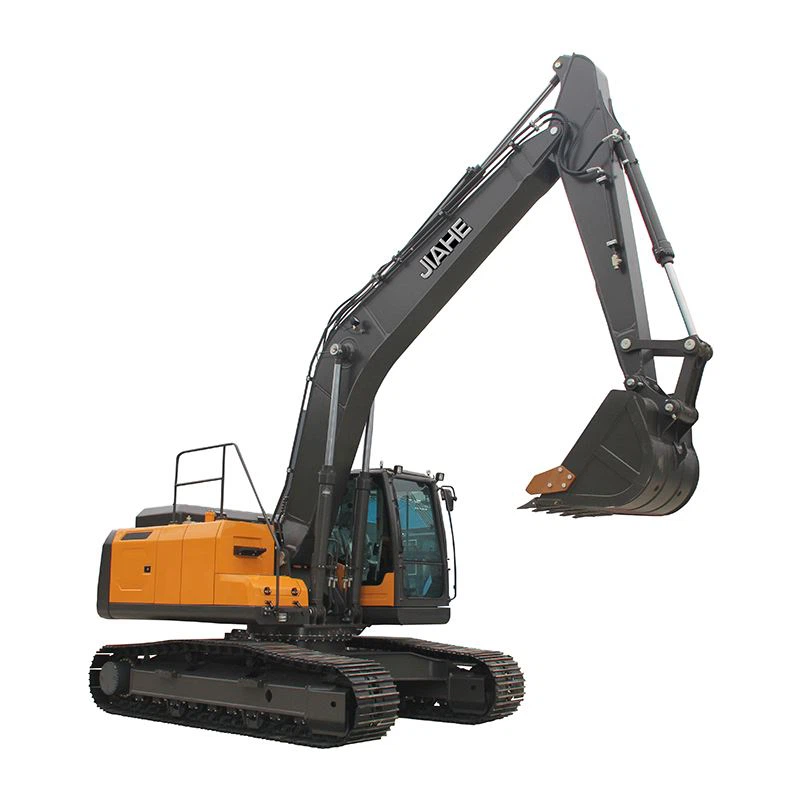
- Digging Depth and Reach: Determine the maximum digging depth and reach required for your project. This will help you select an excavator with the appropriate specifications. For instance, if you need to dig deep foundations or reach over obstacles, you'll need an excavator with a longer boom and arm.
- Lifting Capacity: If your project involves lifting heavy objects, such as pipes or construction materials, you'll need an excavator with a sufficient lifting capacity. Make sure to check the excavator's lifting capacity ratings to ensure it can handle the loads you'll be working with.
Machine Specifications
Once you have a clear understanding of your project requirements, it's time to evaluate the specifications of different crawler excavators. Here are some important specifications to consider:
- Engine Power: The engine power of an excavator determines its digging force and overall performance. Higher engine power generally means greater digging efficiency and productivity. However, it's important to choose an engine power that is appropriate for your project needs, as an overly powerful engine can lead to increased fuel consumption and operating costs.
- Operating Weight: The operating weight of an excavator affects its stability and maneuverability. A heavier excavator is generally more stable, but it may also be more difficult to transport and operate on soft or uneven terrain. Consider the weight of the excavator in relation to the type of terrain and the size of your project site.
- Bucket Capacity: The bucket capacity of an excavator determines how much material it can move in a single pass. A larger bucket capacity means greater productivity, but it may also require a more powerful engine to operate effectively. Choose a bucket capacity that is suitable for the type and volume of material you'll be excavating.
- Hydraulic System: The hydraulic system of an excavator is responsible for powering the boom, arm, and bucket. A high-quality hydraulic system ensures smooth and efficient operation, as well as precise control. Look for an excavator with a reliable hydraulic system that offers good performance and durability.
Operator Comfort and Safety
The comfort and safety of the operator are crucial factors to consider when choosing a crawler excavator. A comfortable and safe working environment can improve operator productivity and reduce the risk of accidents. Here are some features to look for:
- Ergonomic Design: An excavator with an ergonomic design will reduce operator fatigue and discomfort. Look for features such as adjustable seats, controls, and armrests, as well as good visibility from the cab.
- Safety Features: Safety should always be a top priority. Choose an excavator that is equipped with essential safety features, such as rollover protection structures (ROPS), falling object protection structures (FOPS), and seat belts. Additionally, consider features such as backup cameras, alarms, and warning lights to enhance operator awareness and safety.
- Noise and Vibration Reduction: Excavators can be noisy and vibrate during operation, which can cause fatigue and hearing damage to the operator. Look for an excavator with noise and vibration reduction features, such as soundproofing materials and shock absorbers, to provide a more comfortable working environment.
Maintenance and Support
Proper maintenance is essential to keep your crawler excavator in good working condition and ensure its longevity. When choosing an excavator, consider the following maintenance and support factors:
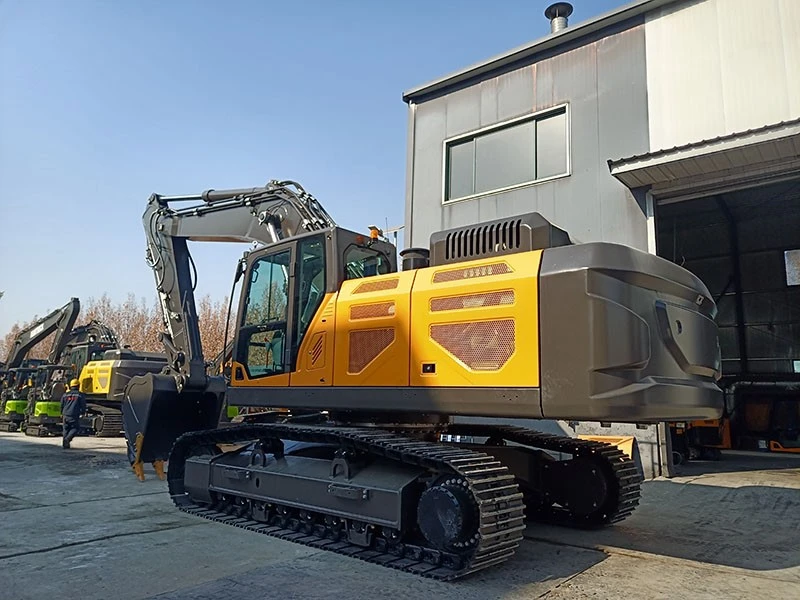
- Accessibility: An excavator with easy access to maintenance points will make it easier and quicker to perform routine maintenance tasks, such as oil changes, filter replacements, and inspections. Look for an excavator with wide-opening engine compartments and accessible service panels.
- Parts Availability: Make sure that the parts for the excavator you choose are readily available. This will minimize downtime in case of a breakdown and ensure that you can quickly get your excavator back up and running.
- Service and Support: Choose a supplier that offers reliable service and support. A good supplier will provide regular maintenance, repairs, and technical assistance to keep your excavator in optimal condition. Additionally, consider the supplier's reputation and customer reviews when making your decision.
Cost and Budget
Cost is always a significant factor when making any purchasing decision. When choosing a crawler excavator, it's important to consider both the upfront cost and the long-term operating costs. Here are some cost-related factors to keep in mind:
- Purchase Price: Compare the purchase prices of different excavators to find one that fits your budget. However, don't just focus on the lowest price; consider the overall value and quality of the machine.
- Fuel Consumption: The fuel consumption of an excavator can have a significant impact on its operating costs. Look for an excavator with a fuel-efficient engine to minimize fuel expenses over the long term.
- Maintenance and Repair Costs: Factor in the cost of routine maintenance, repairs, and replacement parts when calculating the total cost of ownership. A well-maintained excavator will generally have lower maintenance and repair costs over its lifespan.
- Resale Value: Consider the resale value of the excavator when making your decision. A high-quality excavator with a good reputation will generally have a higher resale value, which can help offset the initial purchase cost.
Examples of Suitable Crawler Excavators
To give you a better idea of the different types of crawler excavators available, here are some examples of models that may be suitable for various projects:
- 9 Ton Crawler Excavator Mini Diggers: This compact excavator is ideal for small-scale projects, such as landscaping, residential construction, and utility work. It offers good maneuverability and a reasonable digging depth and reach.
- Excavator 40 38 Ton Hydraulic Anchor Drilling Rig: This heavy-duty excavator is designed for large-scale construction and mining projects. It features a powerful engine, high lifting capacity, and advanced hydraulic system for efficient operation.
- 23 Ton Excavator Machine Excavator: This mid-sized excavator is a versatile option that can be used for a wide range of projects, including earthmoving, trenching, and material handling. It offers a good balance of power, performance, and maneuverability.
Conclusion
Choosing the right crawler excavator for your project is a critical decision that requires careful consideration of various factors. By understanding your project requirements, evaluating machine specifications, prioritizing operator comfort and safety, considering maintenance and support, and factoring in cost and budget, you can make an informed choice that will help you achieve your project goals efficiently and effectively.
As a crawler excavator supplier, we are committed to providing our customers with high-quality machines, reliable service, and expert advice. If you have any questions or need assistance in choosing the right crawler excavator for your project, please don't hesitate to contact us. We look forward to helping you find the perfect solution for your needs.
References
- Construction Equipment Guide. (n.d.). How to Choose the Right Excavator for Your Project. Retrieved from https://www.constructionequipmentguide.com/how-to-choose-the-right-excavator-for-your-project/40364
- Equipment World. (n.d.). Buying Guide: Crawler Excavators. Retrieved from https://www.equipmentworld.com/buying-guide/crawler-excavators/
- Machinery Trader. (n.d.). How to Select the Right Crawler Excavator. Retrieved from https://www.machinerytrader.com/articles/how-to-select-the-right-crawler-excavator


