

Calibrating specialized equipment is a crucial process that ensures the accuracy, reliability, and optimal performance of these tools. As a specialized equipment supplier, I understand the significance of calibration in maintaining the quality and functionality of our products. In this blog post, I will share some insights on how to calibrate specialized equipment effectively.
Understanding Calibration
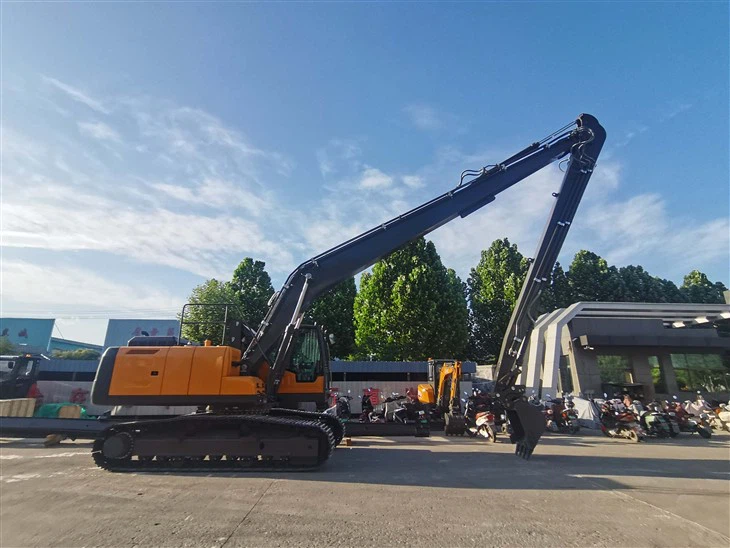
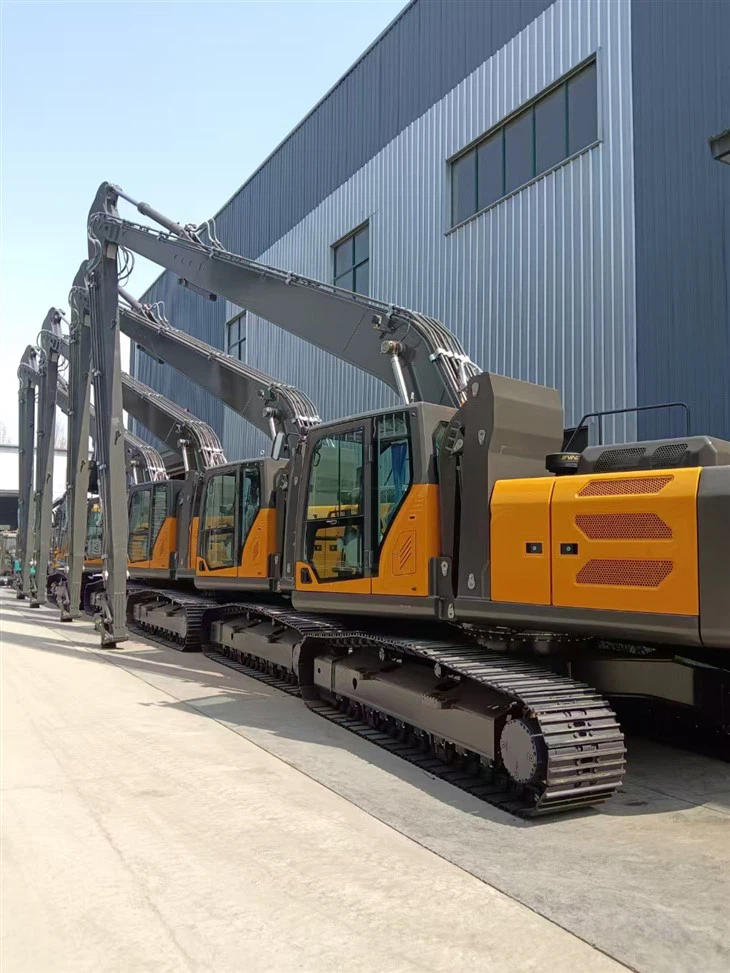
Calibration is the process of comparing the measurements or performance of a device against a known standard to determine its accuracy and make necessary adjustments. Specialized equipment, such as Long Arm Excavator, often requires precise calibration to ensure it operates within specified tolerances. This is essential for industries where precision is critical, such as construction, manufacturing, and scientific research.
Why Calibration Matters
- Accuracy: Calibration ensures that the equipment provides accurate measurements, which is vital for making informed decisions and producing high-quality work.
- Safety: Inaccurate equipment can pose safety risks, especially in industries where precision is crucial for avoiding accidents.
- Compliance: Many industries have regulatory requirements that mandate regular calibration of equipment to ensure compliance with standards.
- Productivity: Well-calibrated equipment operates more efficiently, reducing downtime and increasing productivity.
Steps to Calibrate Specialized Equipment
Step 1: Identify the Equipment and Standards
The first step in calibration is to identify the specialized equipment that needs to be calibrated and the appropriate standards against which it will be compared. These standards can be national or international standards, industry-specific standards, or in-house standards developed by the manufacturer.
Step 2: Gather the Necessary Tools and Equipment
To perform calibration, you will need the appropriate tools and equipment, such as calibration weights, gauges, and reference standards. These tools should be calibrated themselves to ensure accurate measurements.
Step 3: Prepare the Equipment for Calibration
Before starting the calibration process, it is important to prepare the equipment properly. This may involve cleaning the equipment, checking for any damage or wear, and ensuring that it is in a stable and level position.
Step 4: Perform the Calibration
The calibration process typically involves comparing the measurements or performance of the equipment against the known standard. This can be done using various methods, such as direct comparison, substitution, or adjustment. During the calibration process, it is important to record all the measurements and observations accurately.
Step 5: Make Adjustments if Necessary
If the measurements or performance of the equipment deviate from the known standard, adjustments need to be made to bring it back into calibration. These adjustments can be made using the equipment's built-in adjustment mechanisms or by replacing faulty components.
Step 6: Verify the Calibration
After making the necessary adjustments, it is important to verify the calibration to ensure that the equipment is now operating within the specified tolerances. This can be done by repeating the calibration process or by using a different method to confirm the accuracy of the measurements.
Step 7: Document the Calibration
Finally, it is important to document the calibration process and results. This documentation should include the date of calibration, the equipment used, the standards against which it was calibrated, the measurements taken, and any adjustments made. This documentation is essential for maintaining a record of the equipment's calibration history and for demonstrating compliance with regulatory requirements.
Tips for Effective Calibration
- Follow the Manufacturer's Instructions: Always refer to the manufacturer's instructions for calibration procedures and recommended intervals.
- Use Trained Personnel: Calibration should be performed by trained personnel who have the necessary skills and knowledge to ensure accurate results.
- Maintain a Calibration Schedule: Establish a regular calibration schedule to ensure that the equipment is calibrated at the appropriate intervals.
- Keep Records: Maintain detailed records of all calibration activities, including the date, results, and any adjustments made.
- Use Quality Calibration Equipment: Invest in high-quality calibration equipment to ensure accurate and reliable results.
Conclusion
Calibrating specialized equipment is an essential process that ensures the accuracy, reliability, and optimal performance of these tools. By following the steps outlined in this blog post and implementing the tips for effective calibration, you can ensure that your specialized equipment is operating within the specified tolerances and providing accurate measurements. As a specialized equipment supplier, we are committed to providing our customers with high-quality products and support services, including calibration. If you have any questions or need assistance with calibrating your specialized equipment, please do not hesitate to contact us. We are here to help you ensure the success of your operations.
References
- ISO/IEC 17025:2017, General requirements for the competence of testing and calibration laboratories.
- ASTM International, Various standards related to calibration and measurement.
- Manufacturer's manuals and documentation for specialized equipment.


