

Hey there! As a supplier of crawler excavators, I've seen a lot of operators struggle with getting the seat in the cab adjusted just right. It might seem like a small thing, but trust me, a properly adjusted seat can make a huge difference in your comfort and productivity during long hours of operation. So, let's dive into how you can adjust the seat in a crawler excavator cab.
Why Adjusting the Seat Matters
First off, why should you bother adjusting the seat? Well, for starters, it's all about your comfort. If your seat isn't adjusted correctly, you're going to end up feeling sore and tired after just a few hours of work. That's not only unpleasant but can also lead to decreased concentration and even accidents.
Secondly, a well - adjusted seat can improve your visibility. You need to have a clear view of the controls, the working area, and any potential hazards. If you're slouching or sitting too high or low, you won't be able to see everything you need to.
Step 1: Check the Seat Type
The first thing you need to do is figure out what type of seat your crawler excavator has. There are different types of seats, and each has its own adjustment mechanisms. Some seats have manual controls, while others are equipped with hydraulic or electric adjustments.
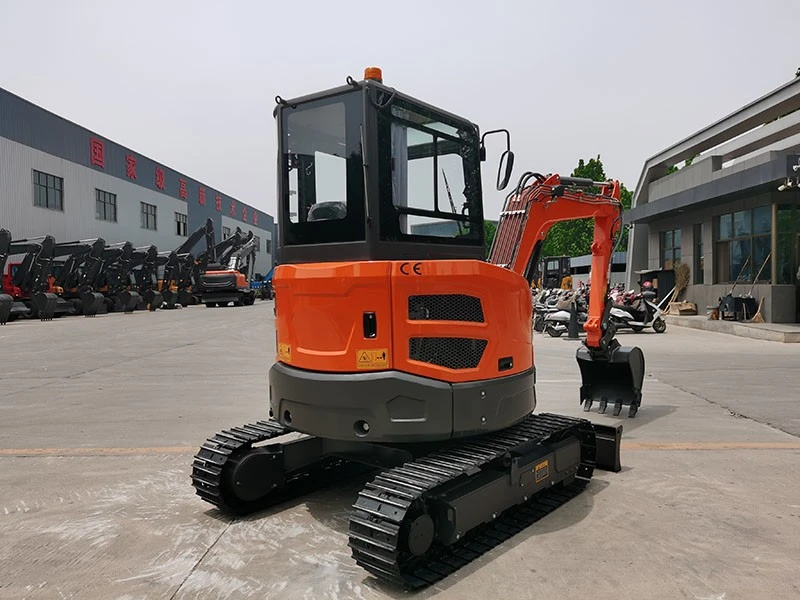

Most modern crawler excavators, like our 4 Ton Excavator 3.5 Ton and 9 Ton Crawler Excavator Mini Diggers, come with seats that offer a wide range of adjustments. You'll usually find controls on the side of the seat or on the armrests.
Step 2: Adjust the Seat Height
The seat height is crucial. You want your feet to rest comfortably on the floor pedals without having to stretch or bend your knees too much. If the seat is too high, your legs will be under constant strain, and you might not be able to operate the pedals smoothly. If it's too low, you won't have a good view of the controls and the working area.
To adjust the seat height, look for the height adjustment lever or button. On manual seats, you'll typically have a lever that you pull up or push down to lock the seat at the desired height. On hydraulic or electric seats, you can use a switch to raise or lower the seat.
Step 3: Adjust the Seat Depth
The seat depth should allow your thighs to rest fully on the seat cushion. You don't want the edge of the seat to dig into the back of your knees. To adjust the seat depth, find the depth adjustment control. This is usually a lever or a switch that moves the seat forward or backward. Slide the seat until your thighs are well - supported and you have a small gap between the back of your knees and the edge of the seat.
Step 4: Adjust the Seat Back Angle
The seat back angle is important for maintaining a proper posture. You want to sit at an angle that supports your lower back and keeps your spine in a natural position. Leaning too far back can make you feel lazy and reduce your control over the machine, while sitting too upright can cause back pain.
Most seats have a recline adjustment lever or button. Pull the lever or press the button to tilt the seat back to your preferred angle. Make sure the seat back provides enough support for your lower back. Some seats even have lumbar support adjustments that you can fine - tune to fit your body.
Step 5: Adjust the Armrests
Don't forget about the armrests! They play a big role in reducing fatigue in your shoulders and arms. Adjust the armrests so that your elbows rest comfortably on them. The height of the armrests should be at a level where your forearms are parallel to the ground when you're operating the controls.
You can usually adjust the height and position of the armrests using small levers or buttons on the armrests themselves. Make sure they're not too high or too low, as this can cause discomfort and affect your ability to operate the machine efficiently.
Step 6: Fine - Tune the Seat
Once you've made the basic adjustments, take a few minutes to fine - tune the seat. Sit in the seat and operate the controls for a short while. Notice how you feel. If you still feel any discomfort, go back and make small adjustments to the height, depth, back angle, or armrests.
It might take a few tries to get the seat adjusted perfectly, but it's worth the effort. Remember, everyone's body is different, so what works for one person might not work for another.
Special Considerations for Different Models
If you're using a larger crawler excavator, like our 23 Ton Excavator Machine Excavator, the seat might have more advanced features. These seats often come with additional adjustments for shock absorption and vibration reduction.
Make sure to familiarize yourself with these features and adjust them according to your working conditions. For example, if you're working on a rough terrain, you might want to increase the shock absorption to reduce the impact on your body.
Conclusion
Adjusting the seat in a crawler excavator cab is not a difficult task, but it's one that can have a big impact on your comfort and productivity. By following these steps, you can ensure that your seat is adjusted to fit your body perfectly.
If you're in the market for a new crawler excavator, we have a wide range of models to choose from. Our excavators come with high - quality seats that offer a variety of adjustments to meet your needs. Whether you're looking for a small 4 - ton excavator or a large 23 - ton machine, we've got you covered.
If you're interested in learning more about our products or have any questions about seat adjustments or anything else related to crawler excavators, feel free to reach out. We're always here to help you make the right choice and ensure that you get the most out of your equipment. Let's start a conversation and see how we can meet your excavation needs.
References
- Operator's manuals of various crawler excavator models.
- Industry best practices for ergonomic seat adjustments in heavy machinery.


