

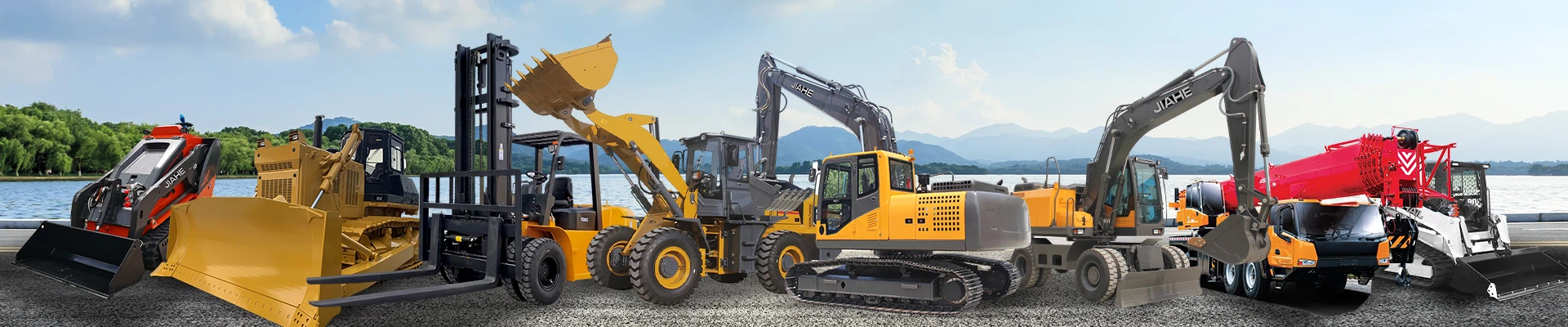
The market for the Wheel Skid Steer Loader is characterized by steady growth as it transitions from a traditional earthmover into a versatile, high-tech logistics and construction asset.
Market Size and Growth Projections
The global skid steer loader market (including track loaders) was valued between USD 1.43–2.5 billion in 2024 and is projected to reach USD 1.49–3.0 billion by 2033. This reflects a Compound Annual Growth Rate (CAGR) of 1.4% to 3.4%. Notably, wheel-based models dominate the sector with nearly 80% market share, favored for their higher travel speeds and lower total cost of ownership (TCO) compared to compact track loaders (CTLs).
Regional Insights
North America: Remains the largest market (over 55% share), driven by aging infrastructure renewal and a highly mature equipment rental industry.
Asia-Pacific (APAC): Identified as the fastest-growing region. Growth is fueled by rapid urbanization in China and India, alongside the cost advantages of local manufacturing.
Core Growth Drivers
Compact Work Environments: The zero-turn radius is indispensable for urban redevelopment, indoor demolition, and precision landscaping where space is severely restricted.
Attachment Versatility: The ability to quickly swap attachments-such as grapples, augers, and sweepers-allows a single unit to perform the work of multiple machines. This multifunctionality significantly boosts the Return on Investment (ROI) for small-to-medium contractors.
Rental Market Penetration: Given the high initial capital expenditure (CAPEX), "Equipment-as-a-Service" and rental models have become primary sales channels, lowering the barrier to entry for smaller firms.
Key Product Trends
Electrification: In response to strict emission regulations in European and North American cities, zero-emission, low-noise electric models (e.g., Bobcat S7X) are moving from niche applications to the mainstream. Sales of electric models in North America grew by approximately 12% in 2023.
Intelligence & Telematics: Integration of fleet management systems, tire pressure monitoring, auto-leveling, and operator-assist technologies is becoming standard to improve site safety and operational efficiency.
Market Challenges
High Acquisition Costs: The initial price point remains a hurdle for some emerging markets.
Regulatory Compliance: Stricter Tier 4 Final / Stage V emission standards are driving up R&D and compliance costs for diesel engines.
Terrain Limitations: On muddy or ultra-soft ground, the Wheel Skid Steer Loader faces increasing competition from compact track loaders which offer superior flotation.


