

Hey there! As a supplier of Cummins engines, I've spent a lot of time digging into the nitty - gritty details of these powerhouses. One of the key components that plays a huge role in how Cummins engines perform is the camshaft. So, let's take a deep dive into what the camshaft design of Cummins engines is all about.
First off, what the heck is a camshaft? Well, in simple terms, it's a shaft with a series of cams on it. These cams are like little bumps or lobes that open and close the engine's valves at just the right time. Think of it as the engine's timekeeper. Without a well - designed camshaft, the engine wouldn't be able to breathe properly, and that means no power.
Cummins engineers put a ton of effort into designing camshafts that are optimized for different engine models and applications. They have to consider a whole bunch of factors, like the engine's displacement, the type of fuel it uses, and the intended use of the engine, whether it's for a heavy - duty truck, a generator, or an industrial machine.
One of the main goals of Cummins camshaft design is to maximize valve timing. Valve timing is all about when the intake and exhaust valves open and close. If the intake valve opens too early or too late, the engine won't get enough air - fuel mixture. And if the exhaust valve doesn't open at the right time, the burnt gases won't be expelled efficiently. Cummins uses advanced computer simulations and testing to figure out the perfect valve timing for each engine.
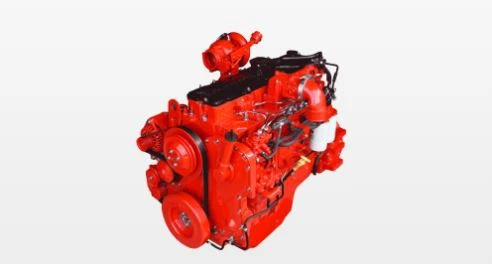
For example, in engines designed for high - torque applications, like the Cummins M15 308kW 420hp, the camshaft is designed to keep the intake valve open a bit longer. This allows more air - fuel mixture to enter the cylinder, which in turn creates more power and torque at lower RPMs. On the other hand, engines designed for high - speed applications might have a camshaft that closes the intake valve earlier to prevent the mixture from being forced back out at high speeds.
Another important aspect of Cummins camshaft design is durability. These engines are often used in tough conditions, so the camshaft has to be able to withstand a lot of wear and tear. Cummins uses high - quality materials and advanced manufacturing processes to make sure the camshafts are strong and long - lasting. They might use special alloys that are resistant to corrosion and wear, and they also use precision machining to ensure that the cams are perfectly shaped.
The shape of the cams on the camshaft is also crucial. The profile of the cam determines how quickly the valve opens and closes, as well as how far it opens. A well - designed cam profile can improve engine efficiency, reduce emissions, and increase power. Cummins engineers experiment with different cam profiles to find the best one for each engine.
Let's talk about some specific engine models. The Cummins L9 162kW 217hp is a popular engine for medium - duty trucks and buses. Its camshaft is designed to provide a good balance between power and fuel efficiency. The cam profile is optimized to open and close the valves in a way that allows for smooth combustion and efficient use of fuel. This means that the engine can deliver decent power while still keeping fuel consumption in check.
The Cummins L8.9 164kW 220hp is another great example. It's often used in industrial applications, like construction equipment and generators. The camshaft in this engine is designed to handle the heavy - load requirements of these applications. It has a cam profile that provides strong valve lift and duration, which helps the engine to produce more power and torque when needed.
In addition to the basic design, Cummins also incorporates some advanced features into their camshafts. For instance, some camshafts have variable valve timing (VVT) technology. VVT allows the engine to adjust the valve timing based on the engine's operating conditions. This means that the engine can perform better at both low and high RPMs. At low RPMs, the valve timing can be adjusted to provide more torque, and at high RPMs, it can be adjusted to increase power.
So, why does all this matter to you? Well, if you're in the market for a Cummins engine, understanding the camshaft design can give you an idea of how the engine will perform. A well - designed camshaft means better power, better fuel efficiency, and longer engine life. Whether you need an engine for your business vehicle, a generator for your home, or an industrial machine for your factory, a Cummins engine with a top - notch camshaft is a reliable choice.
If you're interested in learning more about our Cummins engines or are thinking about making a purchase, I'd love to have a chat with you. We can discuss which engine model is the best fit for your specific needs and go over all the details. Don't hesitate to reach out to start the procurement discussion.

References
- Cummins Engine Technical Manuals
- Industry Publications on Diesel Engine Design


