

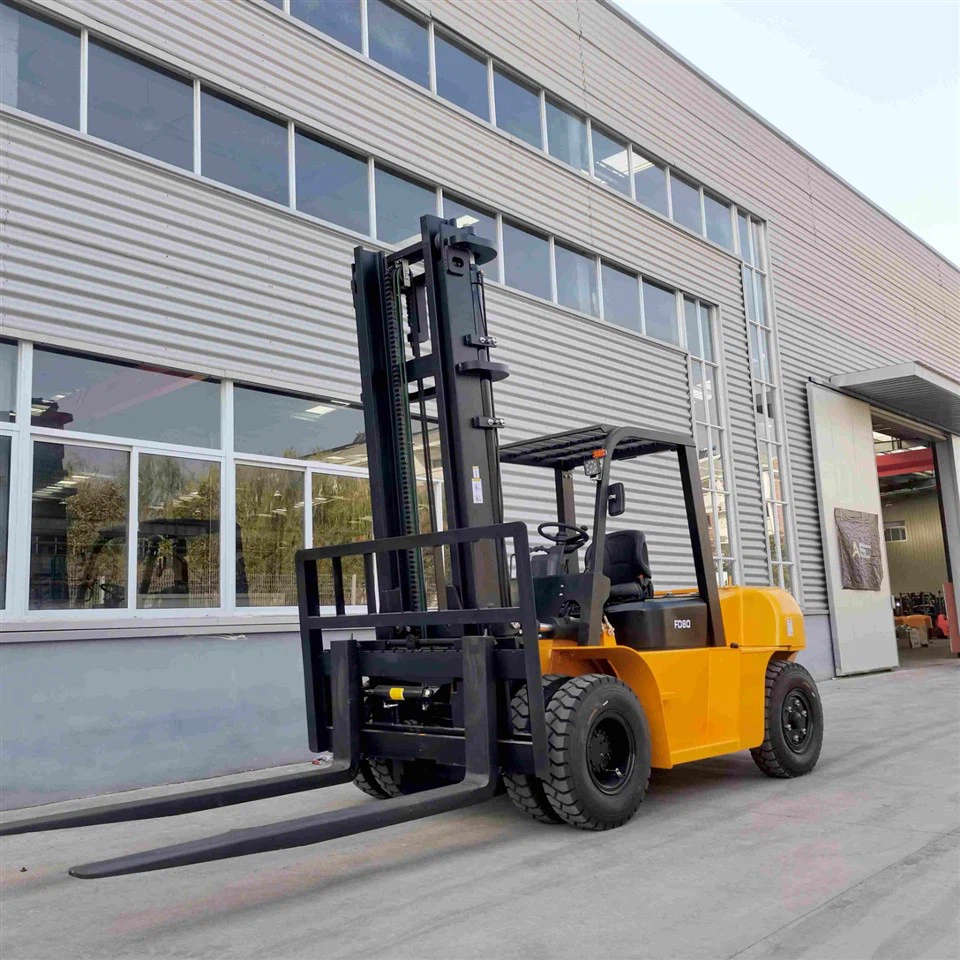
When operating a 7 - ton diesel forklift in cold weather, there are numerous precautions that operators and fleet managers need to be aware of. As a supplier of Forklift Diesel 7 Tons, I've witnessed firsthand the challenges that cold temperatures can pose to these powerful machines. In this blog, I'll share some essential tips to ensure the safe and efficient operation of your 7 - ton diesel forklift during the cold months.
1. Pre - start Checks
Before starting the forklift in cold weather, a thorough pre - start check is crucial. First, inspect the battery. Cold temperatures can significantly reduce a battery's capacity and performance. Check the battery terminals for corrosion and ensure they are tightly connected. A weak battery may not be able to provide enough power to start the engine, especially in cold conditions. If the battery is old or showing signs of weakness, consider replacing it before the cold season arrives.
Next, examine the coolant level. The coolant in the forklift's engine serves two important functions: it prevents the engine from overheating in normal conditions and protects the engine from freezing in cold weather. Make sure the coolant is at the appropriate level and that it has the right mixture of antifreeze and water. A common ratio is 50/50, but this can vary depending on the climate. Using a hydrometer, you can test the coolant's freeze - protection level to ensure it can withstand the expected low temperatures.
Inspect the fuel system as well. Diesel fuel can gel in cold weather, which can clog the fuel filters and prevent the engine from running properly. Use a winter - grade diesel fuel that has a lower cloud point, meaning it can remain in a liquid state at lower temperatures. You can also add a fuel additive designed to prevent gelling. Check the fuel filters and replace them if they are dirty or clogged, as this can impede fuel flow to the engine.
2. Engine Warm - up
Once you've completed the pre - start checks, it's time to start the engine. In cold weather, it's important to let the engine warm up properly before putting the forklift to work. This allows the engine oil to circulate and reach all the moving parts, reducing friction and wear. Start the engine and let it idle for a few minutes. Avoid revving the engine excessively during the warm - up period, as this can cause unnecessary stress on the engine components.
As the engine warms up, pay attention to the temperature gauge. Wait until the engine reaches its normal operating temperature before engaging in any heavy - duty work. This may take several minutes, depending on the outside temperature. During the warm - up, you can also operate the forklift's hydraulic system at a slow pace to warm up the hydraulic fluid. Cold hydraulic fluid can be thick and sluggish, which can affect the performance of the lift and tilt functions.
3. Tire and Brake Maintenance
The tires on a 7 - ton diesel forklift are crucial for stability and traction. In cold weather, the rubber in the tires can become hard and lose some of its flexibility, which can reduce traction. Check the tire pressure regularly, as cold temperatures can cause the air inside the tires to contract, leading to lower tire pressure. Under - inflated tires can increase the risk of a blowout and reduce the forklift's handling performance.
Inspect the brakes as well. Cold weather can affect the brake system in several ways. The brake fluid can thicken, which can slow down the response time of the brakes. Check the brake fluid level and ensure it is at the appropriate level. If the brake fluid appears dirty or contaminated, it may need to be replaced. Also, test the brakes before starting to work to make sure they are functioning properly.

4. Operator Comfort and Safety
Cold weather can be harsh on operators, and it's important to ensure their comfort and safety. Provide operators with appropriate cold - weather gear, such as insulated gloves, hats, and jackets. A comfortable operator is more likely to be alert and focused, which can reduce the risk of accidents.
Make sure the forklift's cab is properly insulated. Check the seals around the doors and windows to prevent cold air from entering. If the forklift is equipped with a heater, test it before the cold season to ensure it is working correctly. A warm cab can improve the operator's productivity and reduce the risk of cold - related health issues.
In addition, provide operators with training on cold - weather forklift operation. They should be aware of the potential hazards, such as slippery surfaces and reduced visibility due to fog or frost. Train them on how to perform the pre - start checks, warm up the engine, and operate the forklift safely in cold conditions.
5. Storage
When the forklift is not in use, proper storage is essential. Park the forklift in a heated or insulated storage area if possible. This can help prevent the engine and other components from freezing. If a heated storage area is not available, cover the forklift with a protective tarp to shield it from the elements.
Before storing the forklift for an extended period in cold weather, take some additional steps. Drain the fuel tank if the fuel is not winter - grade, as gelled fuel can cause problems when the forklift is started again. Disconnect the battery and store it in a warm place to prevent it from losing its charge.
6. Comparison with Other Forklifts
While we focus on the 7 - ton diesel forklift, it's worth comparing it with other types of forklifts in cold - weather conditions. For example, the 3.5 Ton Diesel Forklift is generally more maneuverable and may be better suited for smaller spaces. However, it may have less power and lifting capacity compared to the 7 - ton model. In cold weather, the same pre - start checks and precautions apply, but the smaller engine may warm up faster.
On the other hand, the 8 Ton Forklift Heavy Duty has a higher lifting capacity but may require more powerful heating systems and larger fuel tanks to operate effectively in cold weather. The larger engine may take longer to warm up, and the increased weight can put more stress on the tires and brakes.
Conclusion
Operating a 7 - ton diesel forklift in cold weather requires careful attention to detail and proper maintenance. By following these precautions, you can ensure the safe and efficient operation of your forklift during the cold months. As a supplier of Forklift Diesel 7 Tons, we are committed to providing high - quality forklifts and helping our customers maintain them in all weather conditions.
If you're interested in purchasing a 7 - ton diesel forklift or need more information on cold - weather forklift operation, feel free to contact us for a detailed discussion. We have a team of experts who can provide you with the best advice and solutions tailored to your specific needs.
References
- "Forklift Operator's Manual" - Manufacturer's documentation
- "Diesel Engine Handbook" - Industry - standard reference for diesel engines
- "Cold - Weather Equipment Maintenance Guide" - Published by a leading equipment maintenance organization


