When it comes to equipping a small warehouse with the right forklift, one of the common questions that arises is whether a 2 - ton diesel forklift is a suitable choice. As a supplier of Forklift Diesel 2 Tons, I've had the opportunity to engage with numerous warehouse owners and operators on this very topic. In this blog, I'll delve into the factors that can help determine if a 2 - ton diesel forklift is the right fit for a small warehouse.
Advantages of a 2 - Ton Diesel Forklift in a Small Warehouse
Power and Lifting Capacity
A 2 - ton diesel forklift offers a decent amount of power and lifting capacity. For a small warehouse, it can handle most of the common lifting tasks. Many small warehouses deal with pallets of goods that weigh well below 2 tons. Whether it's moving boxes of consumer goods, small machinery parts, or bags of raw materials, a 2 - ton forklift can easily lift and transport these items. This capacity ensures that the forklift can be used for a wide range of operations within the warehouse, from loading and unloading trucks to stacking pallets on shelves.

Maneuverability
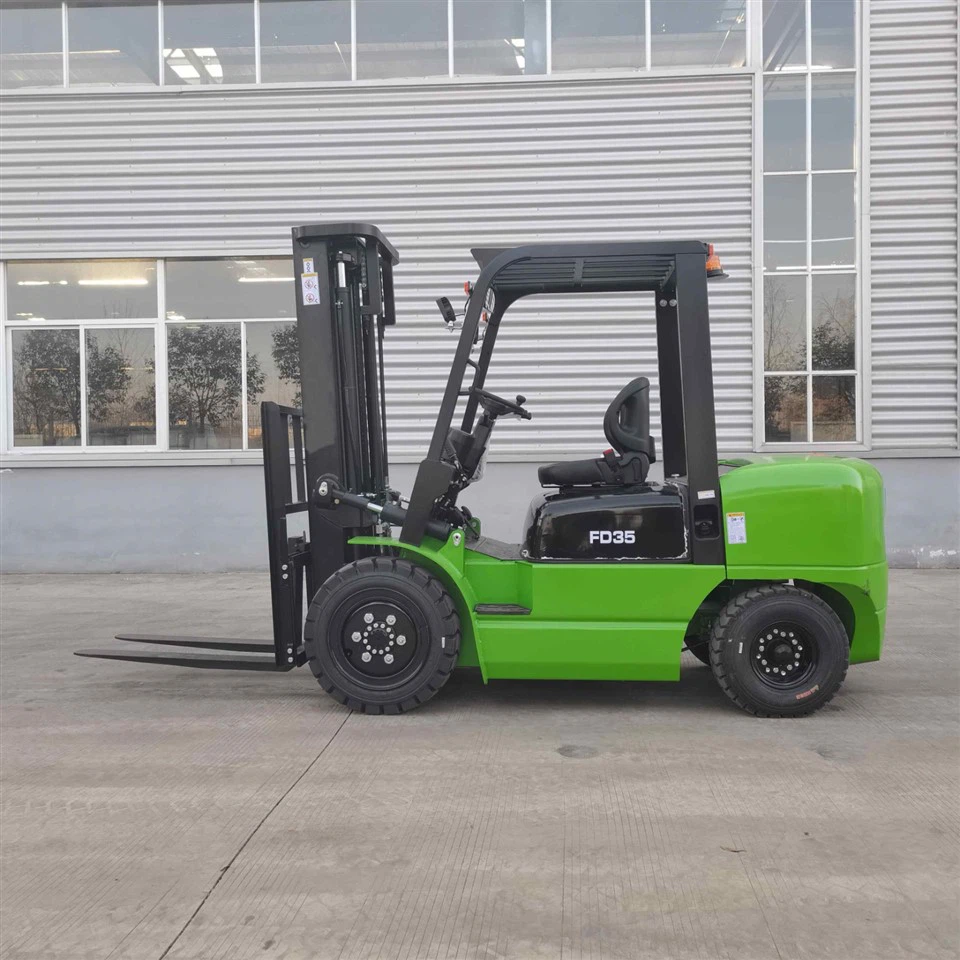
Despite its size, a 2 - ton diesel forklift can be quite maneuverable. In a small warehouse, space is often limited, and the ability to navigate through narrow aisles and tight corners is crucial. These forklifts are designed with a relatively compact body and a good turning radius, allowing them to move around the warehouse efficiently. They can easily access different areas of the warehouse, making it possible to organize and manage inventory effectively.
Durability and Reliability
Diesel engines are known for their durability and reliability. A 2 - ton diesel forklift can withstand the rigors of daily use in a warehouse environment. It can operate for long hours without frequent breakdowns, which is essential for maintaining the productivity of a small warehouse. Diesel engines also have a longer lifespan compared to some other types of engines, which means that the forklift can serve the warehouse for many years with proper maintenance.
Cost - Effectiveness
In terms of cost, a 2 - ton diesel forklift can be a cost - effective option for a small warehouse. The initial purchase price is often more affordable compared to larger capacity forklifts. Additionally, diesel fuel is generally less expensive than some other fuels, and the maintenance costs of a diesel engine are relatively low. Over the long term, these factors can result in significant cost savings for the warehouse owner.
Disadvantages of a 2 - Ton Diesel Forklift in a Small Warehouse
Emissions
One of the main drawbacks of a diesel forklift is the emissions it produces. In a small warehouse, poor ventilation can lead to the accumulation of exhaust fumes, which can be harmful to the health of the warehouse workers. Diesel engines emit pollutants such as particulate matter, nitrogen oxides, and carbon monoxide. These emissions can cause respiratory problems and other health issues if the workers are exposed to them for extended periods. To mitigate this problem, the warehouse would need to invest in proper ventilation systems, which can add to the overall cost.
Noise
Diesel forklifts tend to be noisier than electric forklifts. In a small warehouse, the noise can be a significant distraction for the workers. Excessive noise can also make it difficult for workers to communicate effectively, which can impact safety and productivity. If the warehouse is located in an area where noise restrictions apply, a diesel forklift may not be a suitable choice.
Space Requirements for Fuel Storage
Diesel forklifts require fuel storage, which can take up valuable space in a small warehouse. The fuel storage area needs to be properly designed and maintained to ensure safety. This additional space requirement can be a challenge for a small warehouse that is already short on space.
Considerations for Choosing a Forklift in a Small Warehouse
Warehouse Layout and Space
The layout and available space in the warehouse are crucial factors to consider. If the warehouse has narrow aisles and limited turning space, a 2 - ton diesel forklift's maneuverability can be an advantage. However, if the warehouse has very tight spaces, an electric forklift with a smaller footprint may be a better option. It's also important to consider the height of the warehouse shelves. If the shelves are very tall, a forklift with a higher lifting height may be required.
Load Requirements
The weight and size of the loads that need to be handled in the warehouse are also important. If the warehouse deals with occasional heavy loads that exceed 2 tons, a 2 - ton forklift may not be sufficient. In such cases, it may be necessary to consider a larger capacity forklift, such as a Forklift Diesel 7 Tons or a 10 Ton Diesel Forklift - FD100. On the other hand, if the loads are consistently light, a 2 - ton forklift may be more than adequate.
Frequency of Use
The frequency of forklift use in the warehouse is another consideration. If the forklift will be used for only a few hours a day, a 2 - ton diesel forklift can be a good choice. However, if the forklift will be in continuous operation throughout the day, the emissions and noise issues of a diesel forklift may become more of a concern. In such cases, an electric forklift may be a more suitable option.
Budget
Budget is always a factor when choosing a forklift. A 2 - ton diesel forklift is generally more affordable than larger capacity forklifts, but the overall cost also includes fuel, maintenance, and any additional equipment such as ventilation systems. Warehouse owners need to carefully evaluate their budget and determine the most cost - effective option that meets their operational needs.
Alternatives to a 2 - Ton Diesel Forklift
Electric Forklifts
Electric forklifts are a popular alternative to diesel forklifts, especially in small warehouses. They produce zero emissions, which is ideal for indoor use. Electric forklifts are also quieter than diesel forklifts, which can improve the working environment. However, they have a limited battery life and may require longer charging times. If the warehouse has a consistent power supply and the forklift use is not too intensive, an electric forklift can be a great option.
Smaller Capacity Forklifts
If the lifting requirements in the small warehouse are relatively light, a smaller capacity forklift may be sufficient. For example, a 3.5 Ton Diesel Forklift can offer a good balance between capacity and maneuverability. These forklifts are often more compact and can be easier to operate in tight spaces.
Conclusion
In conclusion, whether a 2 - ton diesel forklift is suitable for a small warehouse depends on various factors. It offers advantages such as power, maneuverability, durability, and cost - effectiveness. However, it also has drawbacks such as emissions, noise, and fuel storage requirements. Warehouse owners need to carefully evaluate their specific needs, including warehouse layout, load requirements, frequency of use, and budget. By considering these factors and weighing the pros and cons, they can make an informed decision on whether a 2 - ton diesel forklift is the right choice for their small warehouse.
If you're in the process of choosing a forklift for your small warehouse, I'd be more than happy to assist you. As a supplier of Forklift Diesel 2 Tons, I have in - depth knowledge of different forklift models and can help you find the one that best suits your requirements. Please feel free to reach out to me for more information and to start a procurement discussion.
References
- "Forklift Operator's Manuals" - Various manufacturers
- "Warehouse Design and Layout Best Practices" - Industry reports
- "Diesel Engine Technology and Emissions" - Technical journals