

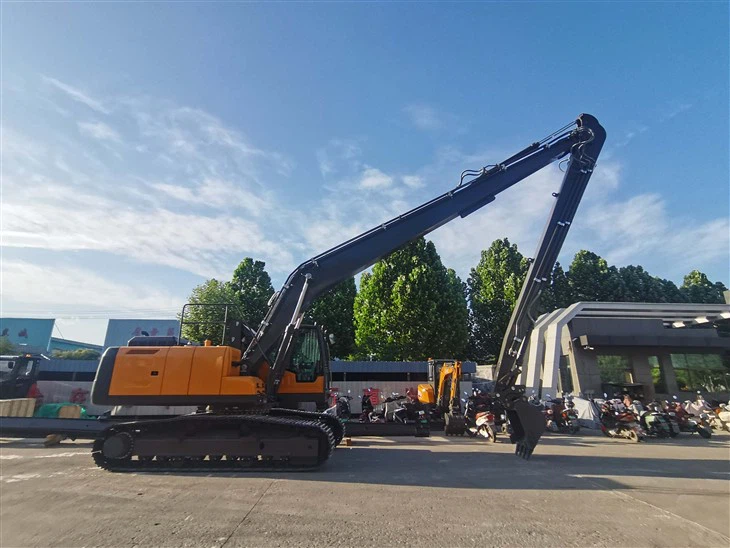
As a supplier of Long Arm Excavators, I've encountered numerous inquiries regarding the maintenance and replacement of hydraulic hoses. These hoses are critical components of long arm excavators, responsible for transmitting hydraulic fluid to power various functions. Over time, they can wear out due to continuous use, exposure to harsh environments, or physical damage. In this blog, I'll guide you through the process of replacing the hydraulic hoses of a long arm excavator.
Understanding the Importance of Hydraulic Hoses
Before delving into the replacement process, it's essential to understand why hydraulic hoses are so crucial. Hydraulic hoses are the arteries of a long arm excavator, carrying high - pressure hydraulic fluid to the cylinders, motors, and other hydraulic components. They enable the smooth operation of the excavator's boom, arm, bucket, and other attachments. A damaged or worn - out hose can lead to hydraulic fluid leaks, reduced efficiency, and even pose a safety hazard.
Pre - replacement Preparations
Safety First
Safety should always be your top priority when working on a long arm excavator. First, ensure that the excavator is parked on a flat, stable surface and the engine is turned off. Engage the parking brake and lower all the attachments to the ground. Wear appropriate personal protective equipment (PPE), including safety glasses, gloves, and steel - toed boots.
Gather the Necessary Tools and Parts
You'll need a set of tools for the replacement process, such as wrenches, pliers, a hose cutter, and a torque wrench. Make sure you have the correct replacement hydraulic hoses. You can refer to the excavator's manual or contact us at Long Arm Excavator for the right specifications.
Drain the Hydraulic System
Locate the hydraulic fluid reservoir and use a suitable container to drain the fluid. This step is crucial to prevent spills and ensure a clean working environment. Follow the manufacturer's instructions for draining the system properly.
Identifying the Faulty Hoses
Visual Inspection
Conduct a thorough visual inspection of all the hydraulic hoses on the long arm excavator. Look for signs of wear, such as cracks, bulges, abrasions, or leaks. Pay special attention to areas where the hoses are bent or rubbed against other components.
Pressure Testing
If you're unsure whether a hose is faulty, you can perform a pressure test. Use a pressure gauge to measure the pressure in the hydraulic system. Compare the readings with the manufacturer's specifications. A significant drop in pressure may indicate a leak in one of the hoses.
Removing the Old Hoses
Mark the Hoses
Before removing the old hoses, mark them to ensure proper reinstallation. You can use a permanent marker or colored tape to label each hose according to its location and function.
Loosen the Fittings
Use the appropriate wrenches to loosen the fittings at both ends of the faulty hose. Be careful not to damage the fittings or the surrounding components. Some fittings may require a specific torque value, so refer to the excavator's manual for the correct specifications.

Remove the Hose
Once the fittings are loose, carefully remove the old hose from the excavator. Be prepared for some residual hydraulic fluid to drain out. Place the old hose in a safe location for disposal.
Installing the New Hoses
Cut the New Hose (if necessary)
If the replacement hose needs to be cut to the correct length, use a hose cutter to make a clean, straight cut. Make sure the cut is perpendicular to the axis of the hose.
Attach the Fittings
Slide the appropriate fittings onto the ends of the new hose. Tighten the fittings using a torque wrench to the manufacturer's specified torque value. Over - tightening can damage the fittings, while under - tightening can cause leaks.
Install the New Hose
Carefully route the new hose to its original location, following the same path as the old hose. Make sure the hose is not kinked or twisted. Reconnect the fittings to the hydraulic components, ensuring a secure connection.
Refilling and Testing the Hydraulic System
Refill the Hydraulic Fluid
Once the new hoses are installed, refill the hydraulic fluid reservoir with the recommended type and amount of fluid. Check the fluid level regularly during the filling process.
Bleed the Hydraulic System
Bleeding the hydraulic system is essential to remove any air bubbles that may have entered during the replacement process. Follow the manufacturer's instructions for bleeding the system. This usually involves operating the excavator's controls to cycle the hydraulic fluid through the system.
Test the System
Start the excavator and operate the hydraulic functions slowly. Check for any leaks around the new hoses and fittings. Monitor the pressure gauges to ensure that the hydraulic system is operating within the normal range.
Maintenance Tips for Hydraulic Hoses
Regular Inspections
Perform regular visual inspections of the hydraulic hoses to detect any signs of wear or damage early. This can help prevent costly breakdowns and ensure the safe operation of the long arm excavator.
Proper Routing
Make sure the hydraulic hoses are properly routed and secured to prevent rubbing against other components. Use hose clamps and protective sleeves if necessary.
Avoid Over - Pressurization
Do not exceed the maximum pressure rating of the hydraulic hoses. Over - pressurization can cause the hoses to burst, leading to serious safety hazards.
Conclusion
Replacing the hydraulic hoses of a long arm excavator is a complex but necessary task to ensure the continued performance and safety of the machine. By following the steps outlined in this blog, you can replace the hoses correctly and minimize downtime. If you have any questions or need assistance with hydraulic hose replacement or Long Arm Excavator parts, feel free to contact us. We're here to help you keep your long arm excavator in top - notch condition. Whether you're a construction company, a rental service, or an individual operator, our team of experts can provide you with the right products and support for your needs. Don't hesitate to reach out to us for procurement discussions and find the best solutions for your long arm excavator requirements.
References
- Manufacturer's manuals for long arm excavators
- Industry standards for hydraulic hose installation and maintenance


