

Hey everyone! I'm a supplier of wheel loaders, and today I wanna chat about a super important topic: how to reduce emissions from a wheel loader. As we all know, environmental protection is a hot issue these days, and reducing emissions from heavy machinery like wheel loaders is a big part of it.
First off, let's understand why it's so crucial to cut down on emissions from wheel loaders. These machines are widely used in construction, mining, and other industries, and they can be real polluters. Emissions like carbon monoxide, nitrogen oxides, and particulate matter are not only bad for the environment but also for human health. High levels of these pollutants can lead to respiratory problems and other health issues. Moreover, with stricter environmental regulations around the globe, it's in everyone's best interest to make our wheel loaders as clean - running as possible.

Modern Engine Technology
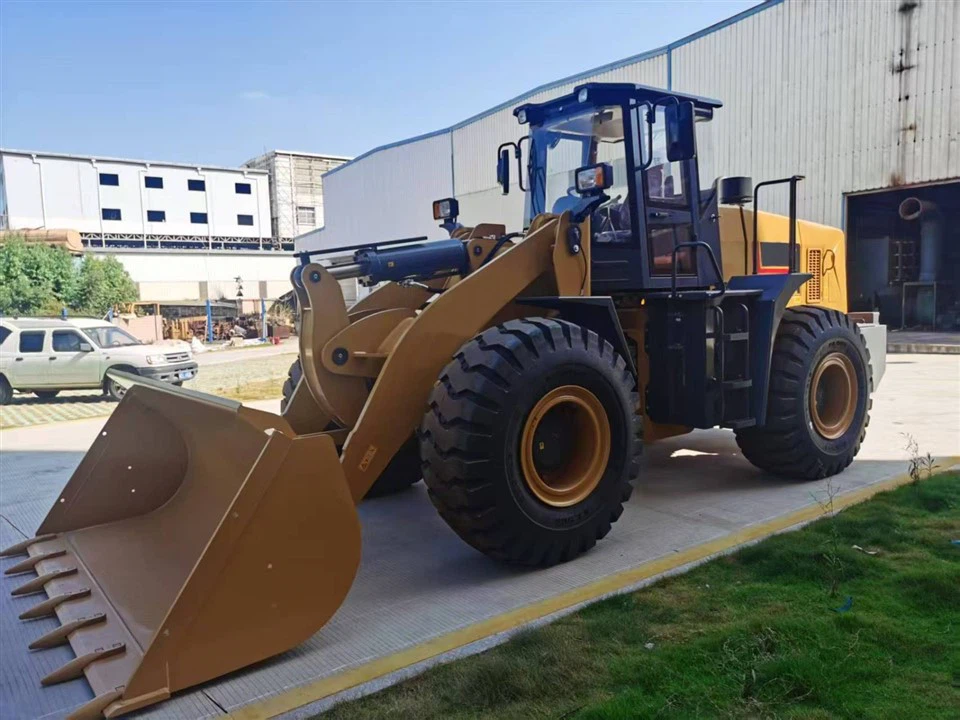
One of the most effective ways to reduce emissions is by using modern engine technology. Newer engines are designed to burn fuel more efficiently, which means less waste and fewer emissions. For example, some of the engines in our Wheel Loader Diesel Loader 3 Ton and Front Loader 4x4 Diesel Wheel Loader 5 Ton are equipped with advanced fuel injection systems. These systems can precisely control the amount of fuel injected into the engine cylinders, ensuring that the fuel is burned completely.
Common Rail Direct Injection (CRDI) is a great example of this technology. It allows for multiple injections of fuel during each combustion cycle, which improves combustion efficiency. When the fuel burns more completely, there's less unburned fuel left over, and thus, less harmful emissions are produced. Electronic Engine Management Systems (EEMS) are also a game - changer. They constantly monitor and adjust the engine's performance based on factors like load, speed, and temperature. This helps to optimize the engine's operation and reduce emissions.
After - Treatment Systems
Another key aspect is the use of after - treatment systems. Diesel Particulate Filters (DPF) can trap a large percentage of the particulate matter present in the exhaust gases. These filters work by forcing the exhaust through a porous material that captures the tiny particles. Over time, the trapped particles can build up, but most modern DPFs have a regeneration process. This can be either passive or active. In passive regeneration, the high exhaust temperatures during normal operation burn off the trapped particles. Active regeneration, on the other hand, involves injecting additional fuel into the exhaust system to increase the temperature and burn away the particles.
Selective Catalytic Reduction (SCR) is also commonly used. It works by injecting a urea - based solution, usually called Diesel Exhaust Fluid (DEF), into the exhaust stream. The DEF reacts with the nitrogen oxides in the presence of a catalyst to convert them into harmless nitrogen and water vapor. This can significantly reduce nitrogen oxide emissions, which are a major contributor to air pollution and smog.
Proper Maintenance
Proper maintenance of wheel loaders is also crucial for emission reduction. A well - maintained machine runs more efficiently and emits fewer pollutants. Regular oil changes are essential. Old, dirty oil can cause the engine to work harder, leading to higher fuel consumption and more emissions. We recommend following the manufacturer's guidelines for oil change intervals.
Air filters also need to be checked and replaced regularly. A clogged air filter restricts the airflow into the engine, which can disrupt the air - fuel mixture and result in incomplete combustion. Spark plugs in gas - powered wheel loaders (or glow plugs in diesel ones) should be inspected and replaced when necessary. Worn - out plugs can lead to misfires, which not only waste fuel but also increase emissions.
Operator Training
The operator's skills and habits can have a big impact on emissions. Training operators on efficient operating techniques can lead to significant emission reductions. For example, instructing operators to avoid unnecessary idling can make a difference. Idling a wheel loader for long periods consumes fuel and emits pollutants without any productive work being done. Encouraging operators to turn off the engine when the machine is not in use, even for short breaks, can save fuel and reduce emissions.
Smooth acceleration and deceleration are also important. Rapid acceleration requires more fuel, and sudden braking results in energy loss. By teaching operators to drive the wheel loader in a smooth and consistent manner, we can improve fuel efficiency and cut down on emissions. Additionally, proper load management is key. Overloading the wheel loader makes the engine work harder, increasing fuel consumption and emissions. Operators should be trained to load the machine within its recommended capacity.
Alternative Fuels
Exploring alternative fuels is another way to reduce emissions from wheel loaders. Biodiesel is one option. It's made from renewable sources like vegetable oils and animal fats. Biodiesel can be used in most diesel engines with little or no modification. It generally produces fewer emissions compared to traditional diesel. For example, it emits less carbon monoxide, particulate matter, and unregulated pollutants.
Natural gas is also a promising alternative. Compressed Natural Gas (CNG) or Liquefied Natural Gas (LNG) can be used to power wheel loaders. These fuels burn cleaner than diesel, with lower emissions of greenhouse gases and air pollutants. Some of our models are even designed to be dual - fuel, allowing them to run on either diesel or natural gas, giving operators more flexibility.
Hybrid and Electric Technologies
In recent years, hybrid and electric wheel loaders have been gaining popularity. Hybrid wheel loaders combine a traditional internal combustion engine with an electric motor. The electric motor can assist the engine during high - load operations, reducing the engine's workload and thus emissions. During low - load or idle periods, the engine can be turned off, and the electric motor can power the machine.
Electric wheel loaders, on the other hand, produce zero tailpipe emissions. They are powered by batteries, which can be recharged. Although the initial cost of electric wheel loaders might be higher, the long - term savings in terms of fuel costs and reduced environmental impact can be substantial. With improvements in battery technology, the range and performance of electric wheel loaders are getting better all the time.
If you're in the market for a wheel loader and are interested in reducing emissions, we've got a great range of options for you. Our Wheel Loader Diesel Loader 3 Ton and Front Loader 4x4 Diesel Wheel Loader 5 Ton are designed with the latest emission - reducing technologies. Whether you need a small - scale loader for a construction site or a heavy - duty one for mining operations, we've got you covered.
If you have any questions or want to discuss your specific requirements, feel free to reach out. We're always happy to help you find the perfect wheel loader that meets your needs while also being kind to the environment. Let's work together to make our industries more sustainable!
References
- SAE International. "Emission Standards for Construction Equipment."
- Diesel Technology Forum. "Advances in Diesel Engine Technology for Reduced Emissions."
- International Energy Agency. "Alternative Fuels for Heavy - Duty Vehicles."


