

Hey there! I'm a supplier of specialized equipment, and let me tell you, managing the inventory of this kind of gear is no walk in the park. But over the years, I've picked up some tips and tricks that I'm excited to share with you.
First off, why is inventory management so crucial when it comes to specialized equipment? Well, specialized equipment is often expensive, and it's not something that you can just order off the shelf and have delivered the next day. It might take weeks or even months to get your hands on certain pieces. Plus, the market demand for specialized equipment can be pretty unpredictable. You don't want to be stuck with a bunch of equipment that no one wants, but at the same time, you don't want to miss out on a sale because you don't have the item in stock.
One of the first steps in managing your inventory is to have a clear understanding of what you have. This means creating a detailed inventory list. I like to use a spreadsheet to keep track of everything. I list each piece of specialized equipment, its model number, serial number (if applicable), the date it was purchased, the cost, and its current location. This way, I can easily see what's in stock, how much it cost me, and where I can find it if I need to.
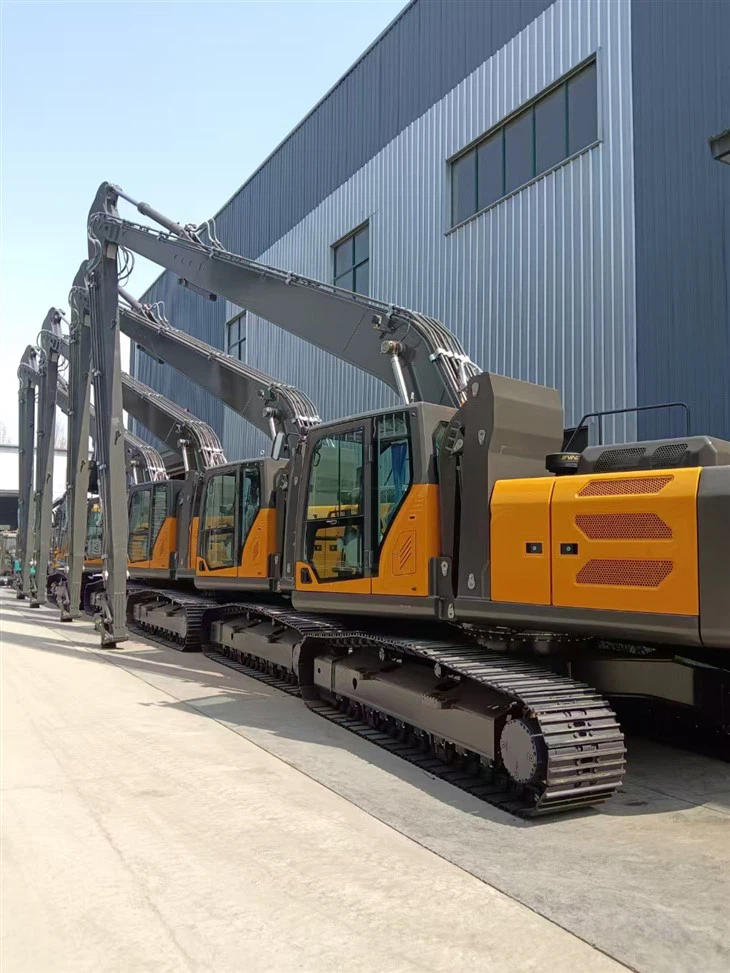
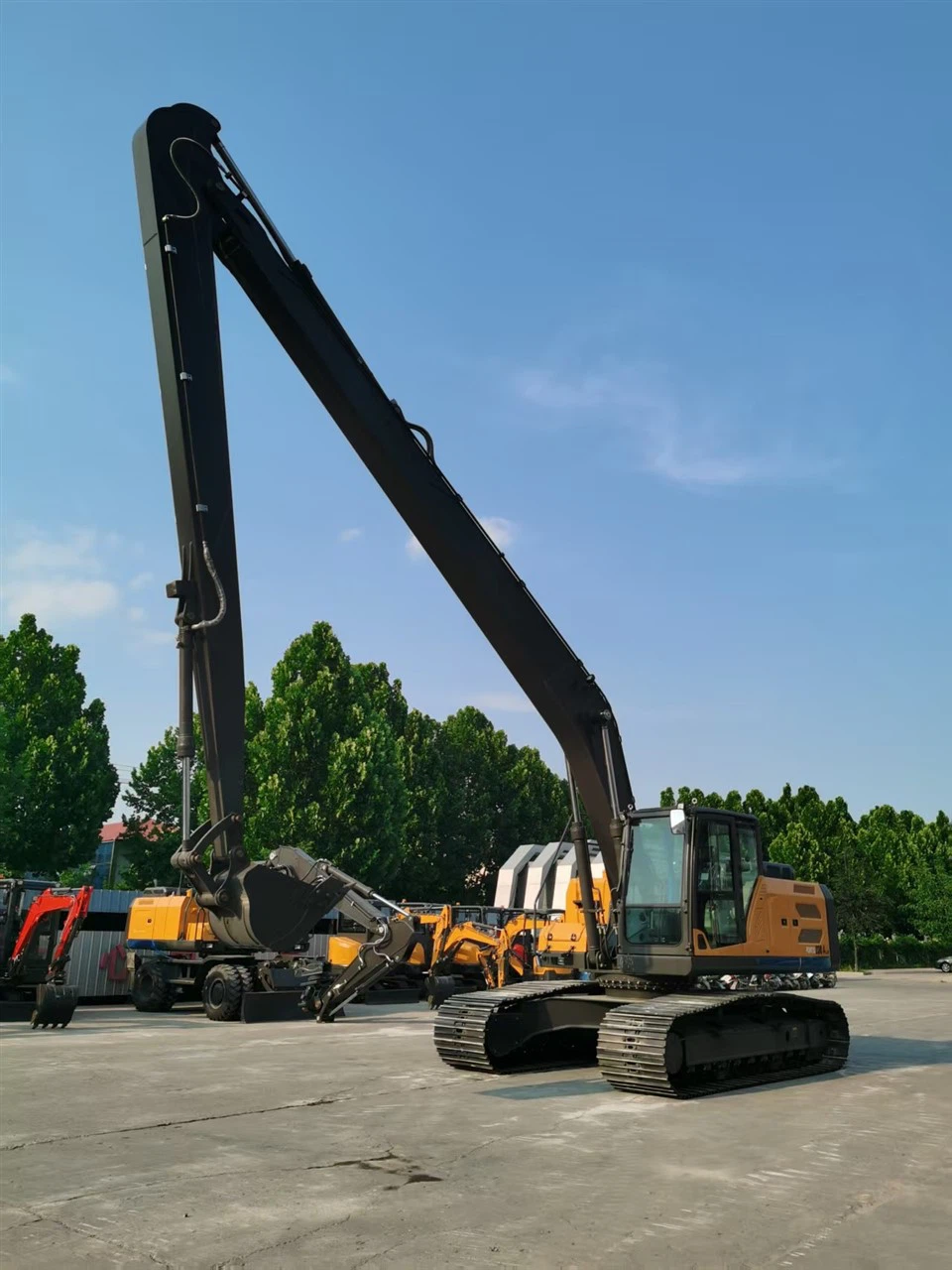
Another important aspect is forecasting demand. This is where things can get a bit tricky. You need to look at historical sales data to see which pieces of equipment are popular and when. For example, if you're a supplier of Long Arm Excavator, you might notice that sales tend to pick up during the construction season. You can also keep an eye on industry trends and news. If there's a big infrastructure project coming up in your area, you can bet that the demand for certain types of specialized equipment is going to increase.
Once you have a good idea of what you have and what the demand is likely to be, it's time to set up a reorder point. This is the level at which you need to place a new order for a particular piece of equipment. For example, if you usually sell about 10 Long Arm Excavator per month and it takes you two months to get a new shipment, you might set your reorder point at 20. That way, you'll have enough stock to meet the demand while you're waiting for the new shipment to arrive.
But it's not just about knowing when to reorder. You also need to consider the quantity to order. Ordering too much can tie up a lot of your capital and lead to storage issues. On the other hand, ordering too little can result in lost sales. To find the right balance, you can use economic order quantity (EOQ) formulas. These formulas take into account factors like the cost of ordering, the cost of holding inventory, and the demand rate to calculate the optimal order quantity.
When it comes to storing your specialized equipment, you need to make sure that you're doing it right. Specialized equipment is often delicate and can be easily damaged if it's not stored properly. You need to have a clean, dry, and secure storage facility. You might also need to invest in some specialized storage racks or containers to keep the equipment organized and protected.
Regular inventory audits are also a must. This means physically counting and checking the condition of all your equipment on a regular basis. I like to do a full inventory audit at least once a year, but you might want to do it more often depending on the size of your inventory and how quickly it turns over. During the audit, you can identify any missing or damaged items and take steps to replace or repair them.
Another thing to consider is how to handle obsolete or slow - moving inventory. Sometimes, you might end up with equipment that just isn't selling. Instead of letting it sit in your storage facility and take up space, you can try to sell it at a discounted price. You can also reach out to other suppliers or customers in the industry to see if they're interested in buying it.
Now, let's talk about technology. There are a lot of inventory management software solutions out there that can make your life a whole lot easier. These software programs can help you track your inventory in real - time, generate reports, and even automate the reordering process. They can also integrate with your accounting and sales systems, so you have a more comprehensive view of your business.
In addition to using software, you can also use barcode scanners or RFID tags to make the inventory management process more efficient. These technologies allow you to quickly and accurately scan the equipment as it comes in and goes out of your facility, reducing the chances of human error.
Finally, building good relationships with your suppliers is essential. A reliable supplier can help you get the equipment you need when you need it. You should communicate regularly with your suppliers, let them know about your demand forecasts, and work with them to negotiate better prices and terms.
So, there you have it - my top tips for managing the inventory of specialized equipment. It's a complex process, but with the right strategies and tools, you can keep your inventory in check and ensure the success of your business.
If you're in the market for specialized equipment or have any questions about inventory management, I'd love to have a chat with you. Whether you're a construction company, a mining operation, or any other business that needs specialized gear, I'm here to help. Let's start a conversation and see how we can work together to meet your equipment needs.
References
- "Inventory Management: Principles and Practices" by some well - known author in the field.
- Industry reports on specialized equipment sales and trends.
- Various online resources on inventory management best practices.


