

Hey there! As a crawler excavator supplier, I've seen firsthand how these powerful machines can transform a rough, uneven piece of land into a smooth, level surface. In this blog, I'm gonna share some tips on how to level the ground with a crawler excavator. Whether you're a seasoned pro or just starting out in the construction game, these insights should come in handy.
Pre - operation Checks
Before you even think about firing up the crawler excavator, you've gotta do a thorough pre - operation check. This is super important for your safety and the efficiency of the job. First, check the fuel level. You don't want to run out of fuel halfway through the job. Then, take a look at the hydraulic fluid. Low hydraulic fluid can cause all sorts of problems with the excavator's functions.
Inspect the tracks, too. Make sure they're in good condition, without any signs of excessive wear or damage. Loose or damaged tracks can make the excavator unstable and hard to control. Also, check the bucket and other attachments. Ensure that they're properly attached and in working order.
Planning the Job
Once you've completed the pre - operation checks, it's time to plan the job. Take a good look at the area you need to level. Identify any obstacles like rocks, trees, or debris. Remove these obstacles before you start leveling. This will not only make the job easier but also protect the excavator from potential damage.
Measure the area and mark the boundaries. You can use stakes and strings to create a clear outline of the area you'll be working on. Decide on the desired slope and elevation of the leveled ground. This is crucial, especially if the land is going to be used for a specific purpose, like building a foundation or a driveway.
Setting Up the Excavator
Now, it's time to set up the crawler excavator. Position the machine on a stable surface near the area you'll be leveling. Make sure the excavator is level itself. You can use the built - in level indicators on the machine to ensure it's sitting straight.
If you're using a specific attachment for leveling, like a grading blade, attach it properly. Different attachments are suitable for different types of leveling jobs. For example, if you're dealing with a large, open area, a wider grading blade might be more efficient. If you need to do some detailed work, a smaller, more precise attachment could be the way to go.
The Leveling Process
Let's get into the actual leveling process. Start by using the bucket to remove large chunks of soil or debris from the high spots. Make smooth, controlled movements with the excavator's arm and bucket. Try to keep the bucket level as you scoop up the material. This will help you get an even removal of the soil.
Once you've removed the major high spots, it's time to start grading. Lower the grading blade (if you're using one) to the ground. Move the excavator forward slowly, using the blade to push and spread the soil. Keep an eye on the level of the ground as you go. You can use a laser level or a transit to check the elevation and slope of the ground.
If you notice any low spots, you can use the bucket to fill them with soil. Then, use the blade to smooth out the filled areas. Work in small sections at a time, constantly checking the level and making adjustments as needed.
Finishing Touches
After you've leveled the main area, it's time for the finishing touches. Use a fine - toothed rake attachment or the bucket in a more delicate mode to smooth out the surface. This will remove any small bumps or ridges and give the ground a professional - looking finish.
Compact the soil if necessary. You can use a compactor attachment on the excavator to compress the soil. This will make the ground more stable and less likely to settle over time.
Using Our Crawler Excavators
At our company, we offer a wide range of crawler excavators that are perfect for leveling jobs. For example, our 21 Ton Excavator with Thumb is a great choice for medium - sized leveling projects. It's powerful yet maneuverable, allowing you to work in tight spaces with ease.
If you're dealing with a larger, more demanding job, our Excavator 40 38 Ton Hydraulic Anchor Drilling Rig could be the right fit. This heavy - duty machine has the power and capabilities to handle large - scale leveling and other related tasks.
And for those really big projects, our 60 Ton Excavator with Different Attachments is a beast. With a variety of attachments available, you can customize the machine to suit your specific leveling needs.
Maintenance After Leveling
Once you've finished the leveling job, it's important to maintain the crawler excavator. Clean the machine thoroughly to remove any dirt, mud, or debris. This will prevent corrosion and damage to the components.
Check the oil, filters, and other fluids again. Replace them if they're dirty or low. Inspect the tracks, bucket, and other attachments for any signs of wear or damage during the job. Make any necessary repairs or replacements.
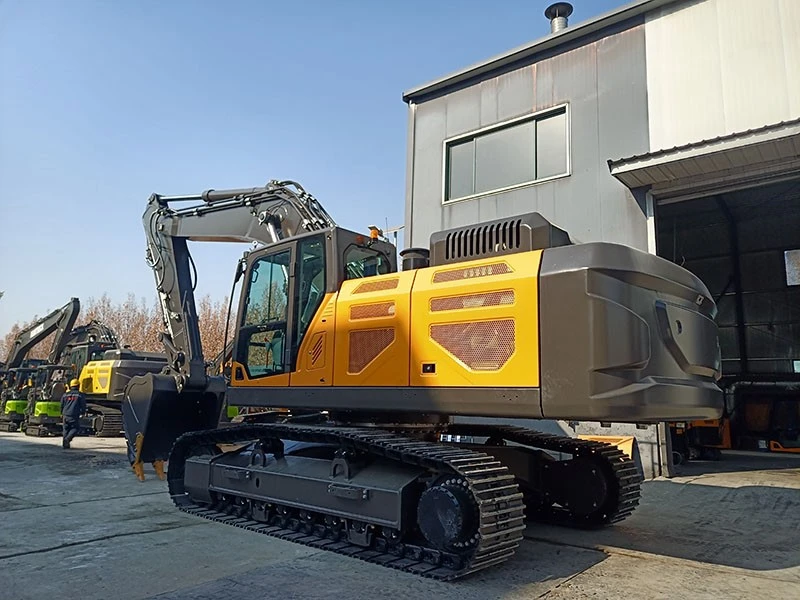

Contact Us for Your Crawler Excavator Needs
If you're in the market for a crawler excavator for your leveling projects or any other construction jobs, don't hesitate to reach out. We're here to help you find the right machine for your needs. Our team of experts can provide you with detailed information about our products, offer advice on which excavator is best for your specific job, and assist you throughout the purchasing process.
References
- Construction Equipment Handbook. A comprehensive guide to various construction equipment, including crawler excavators.
- Practical Excavation Techniques. A book that covers different excavation and leveling methods using crawler excavators.


