

Integrating an electric forklift with a warehouse management system (WMS) can significantly enhance the efficiency and productivity of your warehouse operations. As an electric forklift supplier, I've witnessed firsthand the transformative impact of this integration. In this blog, I'll share some key steps and considerations to help you seamlessly integrate an electric forklift into your WMS.
Understanding the Basics of Integration
Before diving into the integration process, it's essential to understand the fundamental components involved. An electric forklift is a powered industrial truck used for lifting and moving materials in a warehouse. A WMS, on the other hand, is a software application that manages and controls warehouse operations, including inventory management, order fulfillment, and labor management.
The integration between an electric forklift and a WMS aims to create a seamless flow of information between the two systems. This allows for real - time tracking of forklift movements, inventory status, and task assignments, leading to improved decision - making and operational efficiency.
Assessing Your Warehouse Needs
The first step in integrating an electric forklift with a WMS is to assess your warehouse's specific needs. Consider factors such as the size of your warehouse, the volume of inventory, the types of products you handle, and your existing WMS capabilities.
For example, if you have a large - scale warehouse with high - volume inventory turnover, you may need a more advanced integration solution that can handle a large number of transactions and real - time data updates. On the other hand, a smaller warehouse with less complex operations may require a simpler integration approach.
It's also important to evaluate your forklift requirements. Depending on your load capacity needs, you might be interested in our 6 Ton Electric Forklift or 5 Ton Electric Forklift. If your operations involve outdoor tasks or require a different power source, our Diesel Forklift 3 Ton could be a suitable option.
Selecting the Right Electric Forklift
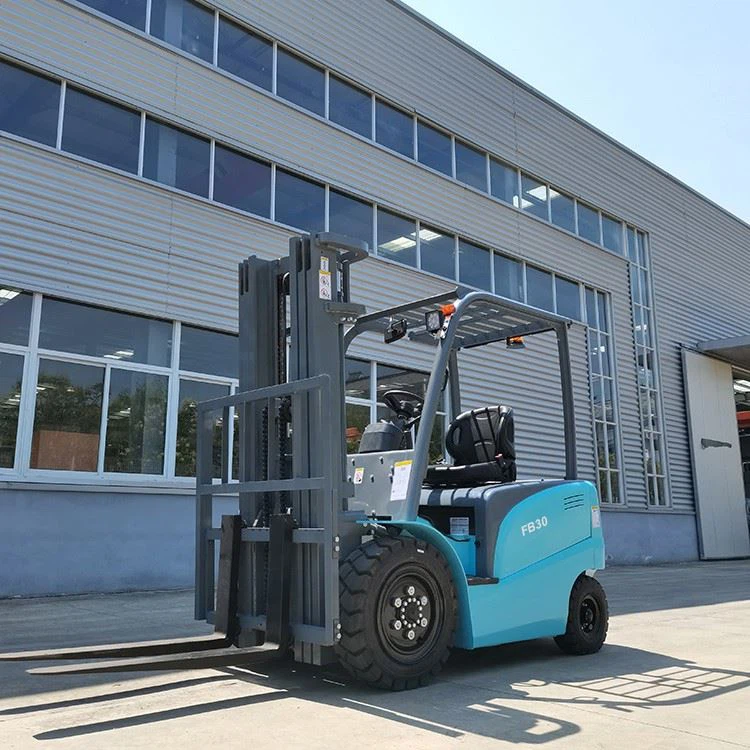
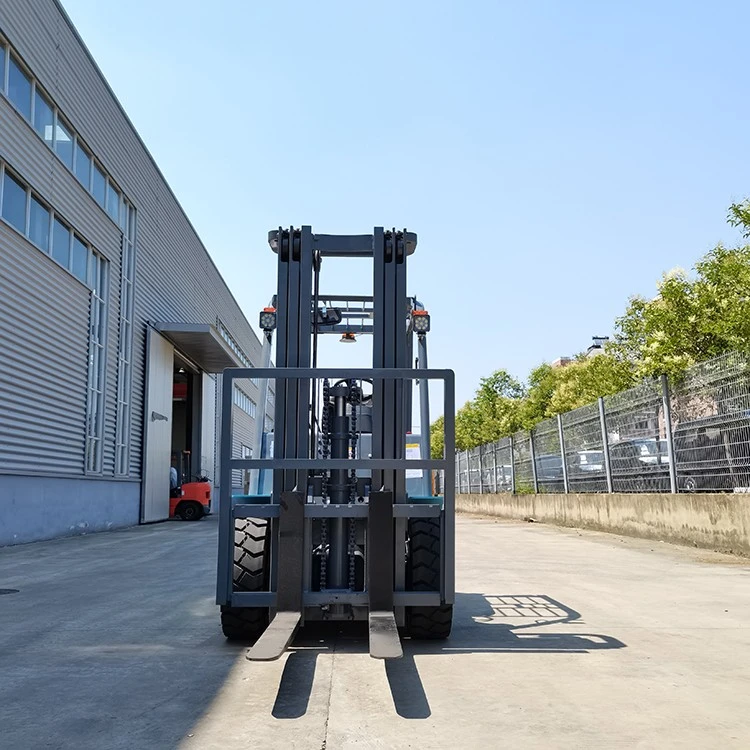
Choosing the right electric forklift is crucial for a successful integration. Look for forklifts that are equipped with the necessary technology and features to communicate with your WMS. This may include on - board computers, barcode scanners, and wireless communication capabilities.
Modern electric forklifts often come with advanced telematics systems that can collect and transmit data such as forklift location, speed, and battery status. This data can be integrated with your WMS to provide real - time insights into forklift operations and help optimize your warehouse processes.
When selecting a forklift, consider factors such as load capacity, lift height, maneuverability, and energy efficiency. Our range of electric forklifts is designed to meet diverse warehouse needs, offering high - performance and reliable solutions.
Preparing Your WMS for Integration
Once you've selected the appropriate electric forklift, the next step is to prepare your WMS for integration. This may involve working with your WMS provider to ensure that the system has the necessary interfaces and APIs (Application Programming Interfaces) to communicate with the forklift's on - board systems.
You'll need to define the data that will be exchanged between the forklift and the WMS. This typically includes information such as inventory locations, task assignments, and forklift status. The WMS should be configured to receive and process this data in a way that aligns with your warehouse processes.
In some cases, you may need to customize your WMS to accommodate the specific requirements of the forklift integration. This could involve developing custom reports, dashboards, or workflows to support the new functionality.
Integrating the Forklift and WMS
The actual integration process involves connecting the forklift's on - board systems to the WMS. This is typically done through a wireless network, such as Wi - Fi or Bluetooth. The on - board computer on the forklift will communicate with the WMS server, sending and receiving data in real - time.
During the integration, it's important to conduct thorough testing to ensure that the data exchange is accurate and reliable. This may involve simulating different scenarios, such as task assignments, inventory movements, and forklift status updates, to verify that the systems are working together seamlessly.
You'll also need to train your warehouse staff on how to use the integrated system. This includes training on how to operate the forklift's on - board computer, scan barcodes, and interact with the WMS interface. Proper training is essential to ensure that your staff can take full advantage of the integrated system and maximize its benefits.
Benefits of Integration
Integrating an electric forklift with a WMS offers numerous benefits for your warehouse operations. One of the primary benefits is improved efficiency. By automating task assignments and providing real - time data on forklift operations, you can reduce the time and effort required to move inventory around the warehouse.
This integration also enhances inventory accuracy. With barcode scanning and real - time inventory updates, you can ensure that your inventory records are always up - to - date, reducing the risk of stockouts and overstocking.
Another significant benefit is increased safety. Real - time tracking of forklift movements can help prevent collisions and other accidents in the warehouse. The WMS can also enforce safety rules and restrictions, such as speed limits and restricted areas.
Ongoing Maintenance and Support
After the integration is complete, it's important to establish an ongoing maintenance and support plan. This includes regular software updates for both the forklift's on - board systems and the WMS to ensure that the systems remain secure and up - to - date.
You should also have a support team in place to address any issues that may arise. This could involve technical support for the forklift's on - board systems, as well as assistance with WMS configuration and data management.
Conclusion
Integrating an electric forklift with a warehouse management system is a complex but rewarding process. By following the steps outlined in this blog, you can ensure a successful integration that will enhance the efficiency, accuracy, and safety of your warehouse operations.
If you're interested in learning more about our electric forklifts and how they can be integrated with your WMS, we encourage you to reach out for a detailed discussion. Our team of experts is ready to assist you in finding the best solution for your warehouse needs.
References
- "Warehouse Management Systems: A Comprehensive Guide" by John Doe
- "Forklift Technology and Integration" by Jane Smith
- Industry whitepapers on electric forklift and WMS integration from leading manufacturers and research institutions.


