

When it comes to heavy - duty construction equipment, wheel loaders are indispensable workhorses on job sites around the world. One of the most frequently asked questions by our customers, who are in the market for a wheel loader, is about its hourly fuel consumption. As a leading wheel loader supplier, we understand the significance of this query, as fuel costs can significantly impact the overall operational expenses of a project.
Factors Affecting Hourly Fuel Consumption
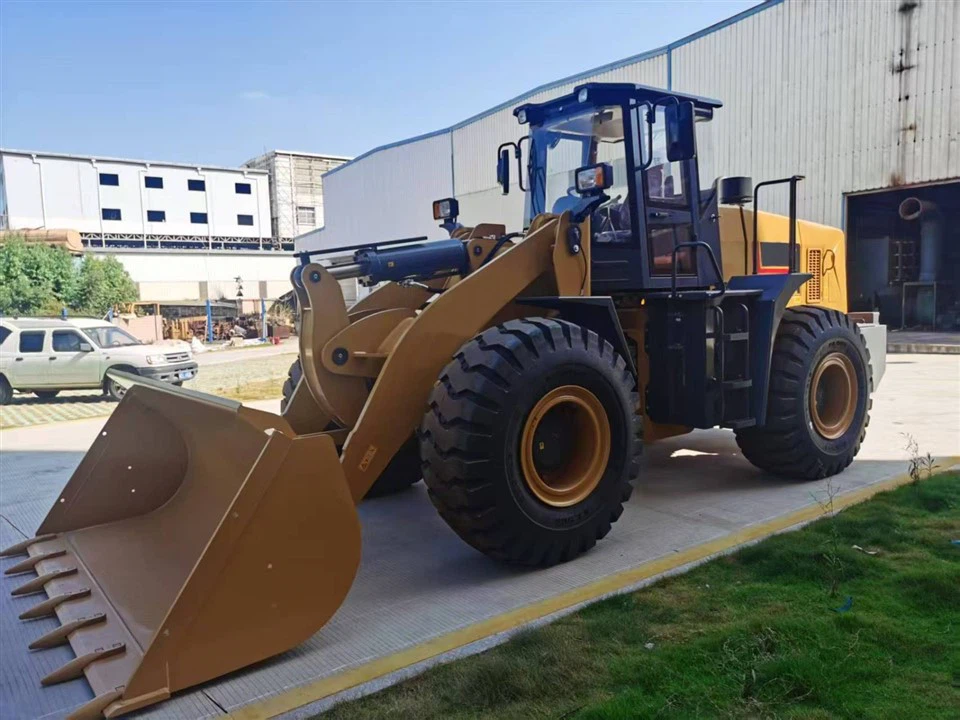
The hourly fuel consumption of a wheel loader is not a fixed value; it varies based on multiple factors. First and foremost, the size and capacity of the wheel loader play a crucial role. Larger wheel loaders with higher engine power typically consume more fuel per hour compared to smaller ones. For instance, a Wheel Loader Diesel Loader 3 Ton is designed for relatively lighter tasks and has a smaller engine, which generally results in lower fuel consumption. On the other hand, a Front Loader 4x4 Diesel Wheel Loader 5 Ton is built for more demanding jobs and is equipped with a more powerful engine, leading to higher fuel usage.
The type of work the wheel loader is performing also has a major impact on fuel consumption. If the loader is engaged in continuous heavy - duty tasks such as digging and lifting large amounts of heavy materials, it will consume more fuel. In contrast, lighter tasks like moving materials over short distances or performing simple grading operations will require less fuel. The load factor, which is the ratio of the actual load carried by the loader to its maximum capacity, is another important factor. A wheel loader operating at full capacity for most of the time will consume more fuel than one working at a lower load factor.
The working environment can't be overlooked either. In harsh conditions such as extreme temperatures, high altitudes, or muddy terrains, the wheel loader's engine has to work harder, resulting in increased fuel consumption. For example, at high altitudes, the air is thinner, which means the engine may not receive enough oxygen for efficient combustion, causing it to burn more fuel to maintain power.
Typical Fuel Consumption Ranges
Based on our extensive experience in the industry and data collected from various job sites, we can provide some general estimates of hourly fuel consumption for different types of wheel loaders.
For small - sized wheel loaders with a capacity of around 1 - 2 tons, the hourly fuel consumption usually ranges from 3 to 6 liters per hour. These loaders are often used in light - duty applications such as landscaping, small - scale construction projects, or material handling in warehouses.
Medium - sized wheel loaders with a capacity of 3 - 4 tons, like the Wheel Loader Diesel Loader 3 Ton, typically consume between 6 and 12 liters of fuel per hour. They are suitable for a wide range of applications, including general construction, road building, and agricultural work.
Large - sized wheel loaders with a capacity of 5 tons or more, such as the Front Loader 4x4 Diesel Wheel Loader 5 Ton, can have an hourly fuel consumption of 12 to 25 liters or even more, depending on the specific model and the nature of the work. These loaders are commonly used in large - scale mining operations, major construction projects, and heavy - duty material handling.

Strategies to Reduce Fuel Consumption
As a responsible wheel loader supplier, we not only provide high - quality equipment but also offer advice on how to reduce fuel consumption and improve operational efficiency.
Proper maintenance of the wheel loader is essential. Regularly servicing the engine, changing the air filters, and ensuring the correct tire pressure can all contribute to more efficient fuel use. A well - maintained engine will operate more smoothly and burn fuel more efficiently.
Operator training is another key factor. Skilled operators know how to use the wheel loader's controls effectively, which can significantly reduce fuel waste. For example, they can avoid unnecessary idling, use the appropriate gear for the task at hand, and optimize the movement of the loader to minimize the number of cycles.
Implementing a fuel management system can also help. This system can monitor the loader's fuel consumption in real - time, allowing managers to identify any abnormal fuel usage patterns and take corrective actions.
Importance of Fuel Efficiency for Customers
Fuel efficiency is of utmost importance to our customers. In today's competitive construction and mining industries, every cost - saving measure counts. By choosing a wheel loader with lower fuel consumption, our customers can significantly reduce their operational costs over the long term. This not only improves their profit margins but also makes their projects more environmentally friendly by reducing carbon emissions.
Moreover, a fuel - efficient wheel loader can enhance the overall productivity of a job site. With less time and money spent on refueling, the loader can spend more time on actual work, leading to faster project completion times.
Conclusion
In conclusion, the hourly fuel consumption of a wheel loader is influenced by multiple factors, including its size, the type of work, the load factor, and the working environment. As a wheel loader supplier, we are committed to providing our customers with accurate information about fuel consumption and helping them choose the most suitable loader for their specific needs.
If you are in the market for a wheel loader and want to learn more about fuel consumption, the types of loaders we offer, or how to optimize your operations for better fuel efficiency, we encourage you to contact us. Our team of experts is ready to assist you in making the right choice for your project. Whether you need a small - sized loader for light - duty tasks or a large - scale loader for heavy - duty applications, we have the perfect solution for you. Start a conversation with us today and take the first step towards a more efficient and cost - effective construction project.
References
- Construction Equipment Handbook: A comprehensive guide to various construction equipment, including wheel loaders, published by a leading industry publisher.
- Industry reports from well - known market research firms that focus on the construction equipment sector, providing data on fuel consumption trends and performance of different wheel loader models.


