Hey there! I'm working for an engine supplier, and I've been getting a bunch of questions about how the fuel injection system works in a diesel engine. So, I thought I'd break it down for you in a way that's easy to understand.
Let's start with the basics. Diesel engines are different from gasoline engines in a few key ways. One of the biggest differences is how they ignite the fuel. In a gasoline engine, a spark plug creates a spark to ignite the air - fuel mixture. But in a diesel engine, the fuel is ignited by the heat of compressed air. That's where the fuel injection system comes in.
The fuel injection system in a diesel engine has one main job: to deliver the right amount of fuel into the combustion chamber at the right time. This is super important because if the fuel isn't delivered correctly, the engine won't run efficiently, or it might not run at all.
The Fuel Tank and the Lift Pump
The process begins with the fuel tank. This is where all the diesel fuel is stored. From the tank, the fuel needs to get to the injection pump. That's where the lift pump comes in. The lift pump is like a little helper that sucks the fuel out of the tank and sends it to the injection pump. It's usually located near the fuel tank and is driven by either an electric motor or the engine itself.
The lift pump doesn't have to create a really high pressure. Its main job is just to get the fuel moving and overcome any resistance in the fuel lines. Once the fuel is on its way to the injection pump, it passes through a fuel filter. The filter is crucial because it removes any dirt, debris, or water from the fuel. You don't want that stuff getting into the injection pump or the combustion chamber because it can cause all sorts of problems, like clogged injectors or engine damage.
The Injection Pump
The injection pump is the heart of the fuel injection system. It takes the low - pressure fuel from the lift pump and increases its pressure to an incredibly high level. This high - pressure fuel is necessary because it needs to be forced into the combustion chamber against the high pressure of the compressed air.
There are different types of injection pumps, but one of the most common is the distributor injection pump. In a distributor injection pump, the fuel is first pressurized in a pumping chamber. Then, a rotating distributor sends the high - pressure fuel to each of the engine's cylinders in the correct firing order.
Another type is the inline injection pump. In an inline pump, there's a separate pumping element for each cylinder. This means that each cylinder gets its own dose of high - pressure fuel, which can lead to more precise fuel delivery and better engine performance.
The Injectors
Once the fuel has been pressurized by the injection pump, it's sent to the injectors. The injectors are like little nozzles that spray the high - pressure fuel into the combustion chamber. They need to open and close at just the right time to make sure that the fuel is injected at the optimal moment for combustion.
The injectors are controlled by either mechanical or electronic means. In older diesel engines, the injectors were mechanically controlled. This meant that the opening and closing of the injectors were determined by the movement of the engine's camshaft. However, in modern diesel engines, most injectors are electronically controlled. This allows for much more precise control over the fuel injection process.
Electronic injectors are controlled by the engine control unit (ECU). The ECU takes into account a bunch of different factors, like engine speed, load, and temperature, to determine the exact amount of fuel and the timing of the injection. This results in better fuel efficiency, lower emissions, and improved engine performance.
Combustion
When the high - pressure fuel is injected into the combustion chamber, it mixes with the hot, compressed air. Because the air is so hot (due to the compression process), the fuel ignites almost immediately. This creates a small explosion that pushes the piston down, which in turn rotates the crankshaft and powers the engine.
The combustion process in a diesel engine is different from that in a gasoline engine. In a gasoline engine, the air - fuel mixture is ignited by a spark, and the combustion is more of a controlled burn. In a diesel engine, the fuel is injected directly into the hot air, and the combustion is more of a rapid, self - ignition process.
Why It Matters
Understanding how the fuel injection system works in a diesel engine is important for a few reasons. For one, it helps you diagnose problems if something goes wrong with your engine. If you know how the system is supposed to work, you can better identify when something isn't right.
Secondly, it can help you make more informed decisions about maintenance. For example, you'll know how important it is to change your fuel filter regularly to keep the system running smoothly.
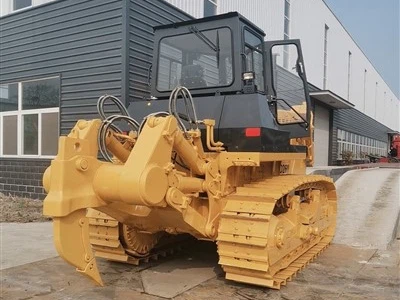
As an engine supplier, we know how crucial a well - functioning fuel injection system is for the performance of your equipment. That's why we offer high - quality engines with advanced fuel injection technology. Whether you're looking for an engine for a 160hp Bulldozer Mini Crawler Bulldozer, a 23 Ton Excavator Machine Excavator, or a Wheel Excavator 20 Ton 21.5 Ton, we've got you covered.
Our engines are designed to be reliable, efficient, and powerful. They're built with the latest fuel injection technology to ensure optimal performance and low emissions. If you're in the market for a new engine or need to replace an existing one, we'd love to talk to you. Just reach out to us, and we'll work with you to find the perfect engine for your needs.


Conclusion
In conclusion, the fuel injection system in a diesel engine is a complex but fascinating piece of technology. It plays a vital role in the engine's performance, efficiency, and emissions. From the fuel tank to the injectors, every component has a specific job to do, and they all work together to make the engine run smoothly.
If you have any more questions about diesel engines or our engine products, don't hesitate to get in touch. We're always happy to help and look forward to the opportunity to work with you on your next project.
References
- Heywood, J. B. (1988). Internal Combustion Engine Fundamentals. McGraw - Hill.
- Stone, R. (2012). Introduction to Internal Combustion Engines. Pearson Education.