

Hey there! As a supplier of Cummins engines, I've been getting a lot of questions lately about how these engines manage to reduce emissions. Well, I'm here to break it down for you in a way that's easy to understand.
First off, let's talk about why reducing emissions is such a big deal. With environmental concerns on the rise, there's a growing need for engines that are more eco - friendly. Cummins has been at the forefront of this movement, developing technologies that not only meet but often exceed emission standards.
One of the key technologies that Cummins uses is the Selective Catalytic Reduction (SCR) system. This is like a magic wand for reducing nitrogen oxide (NOx) emissions. Here's how it works: The engine injects a urea - based solution, commonly known as Diesel Exhaust Fluid (DEF), into the exhaust stream. When the hot exhaust gases come into contact with the DEF, a chemical reaction occurs. The NOx in the exhaust is converted into harmless nitrogen and water vapor. It's a pretty neat process, and it's highly effective. In fact, SCR systems can reduce NOx emissions by up to 90%.
Another important technology is the Exhaust Gas Recirculation (EGR) system. This system takes a portion of the exhaust gases and recirculates them back into the engine's intake manifold. By doing this, the combustion temperature is lowered. Why is that important? Well, high combustion temperatures are one of the main causes of NOx formation. So, by reducing the temperature, the EGR system helps to cut down on NOx emissions. However, it's a bit of a balancing act. Too much EGR can lead to other issues like increased particulate matter (PM) emissions. That's why Cummins has fine - tuned this system to work in harmony with other emission - reduction technologies.
Cummins also uses advanced fuel injection systems. These systems are designed to deliver the right amount of fuel at the right time with high precision. For example, the High - Pressure Common Rail (HPCR) fuel injection system can generate extremely high fuel pressures. This results in better atomization of the fuel, which means that the fuel burns more completely. When fuel burns more completely, there are fewer unburned hydrocarbons and PM emissions. It's like getting the most out of every drop of fuel while also being kind to the environment.
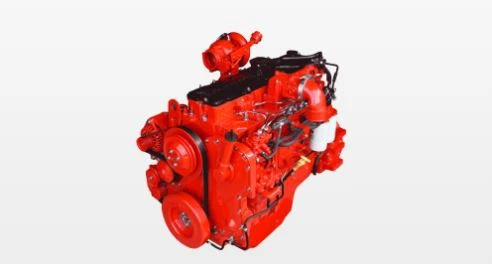
Now, let's take a look at some of the specific Cummins engines and how they benefit from these technologies. The Cummins L9 162kW 217hp is a great example. This engine is widely used in a variety of applications, from trucks to buses. Thanks to the combination of SCR, EGR, and advanced fuel injection systems, it meets strict emission standards without sacrificing performance. It offers a good balance of power and fuel efficiency while keeping emissions in check.
The Cummins M15 308kW 420hp is another powerhouse. It's often used in heavy - duty applications where a lot of power is required. Despite its high power output, it's engineered to be environmentally friendly. The advanced emission - reduction technologies ensure that it can operate efficiently while minimizing its impact on the environment. Whether it's on a long - haul truck or a construction vehicle, the Cummins M15 is a reliable and clean - burning option.
And then there's the Cummins L8.9 164kW 220hp. This engine is known for its versatility and efficiency. It uses the same suite of emission - reduction technologies as the other engines in the Cummins lineup. Whether you're using it in a medium - duty truck or an industrial application, you can count on it to reduce emissions and perform well.

In addition to these technologies, Cummins is constantly investing in research and development. They're always looking for new ways to improve engine efficiency and reduce emissions even further. For example, they're exploring the use of alternative fuels like natural gas and biofuels. These fuels can have a lower carbon footprint compared to traditional diesel fuel. By adapting their engines to run on these alternative fuels, Cummins is helping to create a more sustainable future.
Another aspect that shouldn't be overlooked is the engine's onboard diagnostics system. This system monitors the engine's performance and emission - related components in real - time. If there's an issue with the SCR system, the EGR system, or any other part that affects emissions, the diagnostics system will detect it and alert the operator. This allows for quick maintenance and ensures that the engine continues to operate within the emission standards.
So, if you're in the market for an engine that can reduce emissions without sacrificing performance, Cummins is definitely the way to go. Whether you need a small - to - medium - sized engine for a light - duty application or a heavy - duty engine for a large - scale operation, there's a Cummins engine that's right for you.
If you're interested in learning more about our Cummins engines or want to discuss a potential purchase, don't hesitate to reach out. We're here to help you find the perfect engine for your needs and answer any questions you might have.
References
- Cummins official technical documentation
- Industry reports on engine emission reduction technologies


