

As a supplier of Cummins engines, I've had the privilege of delving deep into the intricacies of these remarkable powerhouses. One of the most critical aspects of any engine's performance is its ability to manage heat dissipation effectively. In this blog, I'll explore how Cummins engines achieve this feat, ensuring optimal performance and longevity.
The Basics of Heat Generation in an Engine
Before we dive into the heat dissipation mechanisms, it's essential to understand how heat is generated in a Cummins engine. The combustion process within the engine cylinders is the primary source of heat. When fuel is ignited, it releases a significant amount of energy in the form of heat and mechanical work. However, not all of this energy is converted into useful work. A substantial portion is lost as heat, which, if not managed properly, can lead to overheating and engine damage.
Cooling Systems in Cummins Engines
Cummins engines employ several cooling systems to manage heat dissipation. These systems work in tandem to ensure that the engine operates within the optimal temperature range.
Liquid Cooling System
The liquid cooling system is the most common method used in Cummins engines. It consists of a radiator, water pump, thermostat, and coolant passages within the engine block and cylinder head. The coolant, typically a mixture of water and antifreeze, circulates through the engine, absorbing heat from the combustion process. The heated coolant then flows to the radiator, where it releases the heat to the surrounding air.
The water pump plays a crucial role in the liquid cooling system. It circulates the coolant through the engine and radiator, ensuring a continuous flow of heat transfer. The thermostat regulates the coolant flow, opening and closing based on the engine's temperature. When the engine is cold, the thermostat remains closed, allowing the coolant to circulate within the engine to warm it up quickly. Once the engine reaches the optimal operating temperature, the thermostat opens, allowing the coolant to flow to the radiator for cooling.
Air Cooling System
Some Cummins engines, particularly those used in smaller applications, utilize an air cooling system. In this system, fins are attached to the engine block and cylinder head to increase the surface area for heat dissipation. As air passes over the fins, it absorbs the heat from the engine, cooling it down.
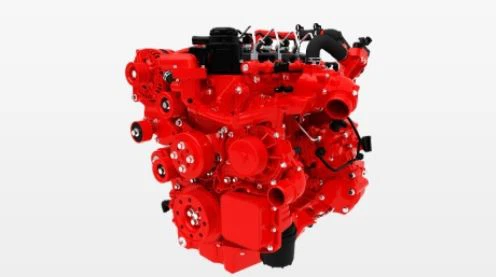
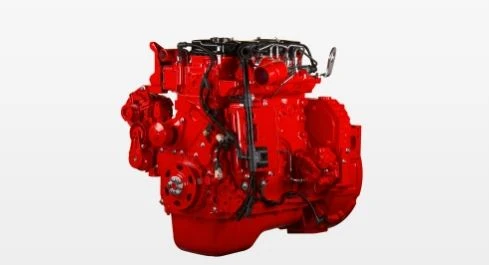
Air cooling systems are simpler and more lightweight than liquid cooling systems, making them suitable for applications where space and weight are limited. However, they are less efficient at dissipating heat compared to liquid cooling systems, especially in high-temperature environments.
Oil Cooling System
In addition to the liquid and air cooling systems, Cummins engines also have an oil cooling system. Engine oil not only lubricates the moving parts but also helps in heat dissipation. The oil absorbs heat from the engine components and transfers it to the oil cooler, where it is cooled by either air or coolant.
The oil cooling system is particularly important in high-performance engines, as it helps to maintain the oil's viscosity and prevent it from breaking down under high temperatures. This ensures proper lubrication and reduces wear and tear on the engine components.
Advanced Heat Dissipation Technologies
Cummins is constantly innovating to improve the heat dissipation capabilities of its engines. Some of the advanced technologies used in Cummins engines include:
Variable Geometry Turbochargers (VGT)
VGTs are designed to optimize the engine's performance and efficiency by adjusting the turbocharger's geometry based on the engine's operating conditions. By controlling the amount of air entering the engine, VGTs can reduce the amount of heat generated during combustion, thus improving heat dissipation.
Exhaust Gas Recirculation (EGR)
EGR is a technology that recirculates a portion of the exhaust gas back into the engine's intake manifold. This reduces the oxygen concentration in the combustion chamber, lowering the combustion temperature and reducing the amount of heat generated. EGR also helps to reduce emissions by reducing the formation of nitrogen oxides (NOx).
Thermal Management Systems
Cummins engines are equipped with advanced thermal management systems that monitor and control the engine's temperature in real-time. These systems use sensors to measure the temperature of various engine components and adjust the cooling systems accordingly. For example, if the engine is operating under heavy load, the thermal management system may increase the coolant flow rate or activate additional cooling fans to maintain the optimal temperature.
Heat Dissipation in Different Cummins Engine Models
Cummins offers a wide range of engine models, each with its own unique heat dissipation requirements. Let's take a look at how heat dissipation is managed in some of the popular Cummins engine models:
Cummins F2.8 36kW 49hp
The Cummins F2.8 engine is a compact and efficient engine designed for light-duty applications. It features a liquid cooling system with a high-capacity radiator and a water pump to ensure effective heat dissipation. The engine also has an oil cooling system to maintain the oil's temperature and prevent it from overheating.
Cummins B3.9 59kW 80hp
The Cummins B3.9 engine is a versatile engine used in a variety of applications, including construction equipment, agricultural machinery, and generator sets. It is equipped with a liquid cooling system and an air-to-air aftercooler to improve the engine's performance and efficiency. The aftercooler cools the compressed air before it enters the engine, reducing the combustion temperature and improving heat dissipation.
Cummins M15 308kW 420hp
The Cummins M15 engine is a high-performance engine designed for heavy-duty applications. It features a sophisticated liquid cooling system with multiple coolant circuits and a large radiator to handle the high heat loads generated by the engine. The engine also has an advanced thermal management system that continuously monitors and adjusts the cooling systems to ensure optimal performance.
Importance of Proper Heat Dissipation
Proper heat dissipation is crucial for the performance and longevity of Cummins engines. Overheating can cause a variety of problems, including reduced engine power, increased fuel consumption, and premature wear and tear on the engine components. It can also lead to engine failure, which can be costly and time-consuming to repair.
By effectively managing heat dissipation, Cummins engines can operate at their optimal performance levels, providing reliable and efficient power for a wide range of applications. This not only improves the productivity and profitability of our customers but also reduces the environmental impact of their operations.
Contact Us for Cummins Engine Procurement
If you're in the market for a Cummins engine, we're here to help. As a trusted supplier of Cummins engines, we offer a wide range of engine models to meet your specific needs. Our team of experts can provide you with detailed information about the heat dissipation capabilities of each engine model and help you choose the right engine for your application.
Whether you're looking for a small, efficient engine for a light-duty application or a high-performance engine for a heavy-duty application, we have the expertise and resources to meet your requirements. Contact us today to discuss your engine procurement needs and let us help you find the perfect Cummins engine for your business.
References
- Cummins Engine Technical Manuals
- Cummins Engine Performance Data Sheets
- Automotive Engineering Textbooks


