

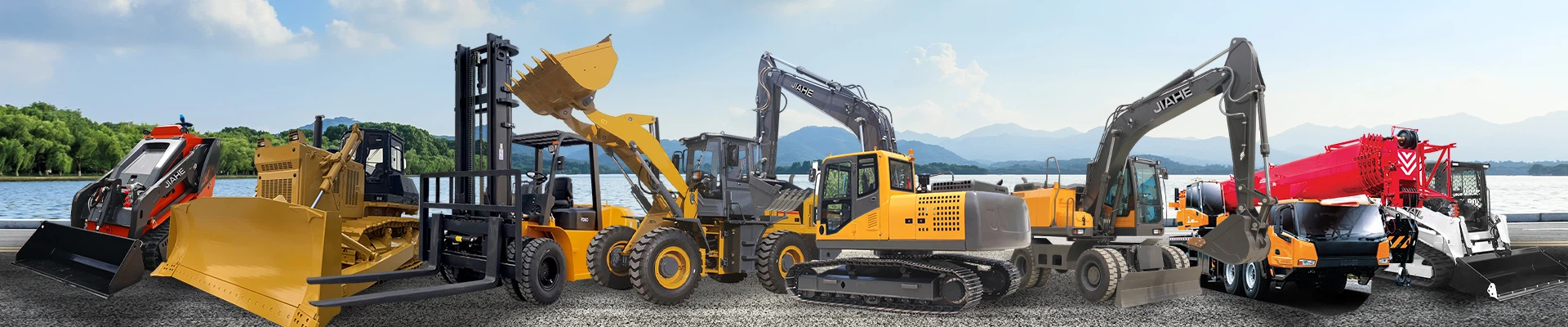
In the field of global engineering construction, loaders are one of the core mechanical equipment, and their performance and efficiency directly affect the progress and cost of projects.With the advancement of technology and the diversification of market demand, loader solutions for different working conditions are becoming the focus of industry attention. This article will explore how to improve the efficiency of engineering operations by optimizing loader solutions from three aspects: technological innovation, application scenarios and future trends.
Technological innovation promotes loader performance upgrade
Modern loaders are gradually adopting intelligent and environmentally friendly designs. Hydraulic system optimization makes equipment operation more precise, reduces energy consumption and extends the life of components. Some new models are equipped with automatic weighing systems and load sensing technology, which can monitor operating data in real time and help operators adjust parameters to match different material characteristics. In addition, the development of hybrid and pure electric loaders provides low-emission options for high-load scenarios such as mines and ports, which meet the requirements of international environmental regulations.
Diversified scenario adaptation solutions
For different operating environments, loaders need to match special designs. For example, on soft ground or muddy areas, the wide crawler chassis and high ground clearance design can significantly improve passability; when working in a narrow space, the compact body with a rotatable cab can improve flexibility. For special industries such as forestry and agriculture, adding accessories such as wood grabbers and straw balers can expand the equipment functions and achieve multiple uses of one machine. Some suppliers also provide customized services to adjust the power system or working device configuration according to the specific needs of customers.
Future trends: digitalization and global service network
With the popularization of Internet of Things technology, loaders are being integrated into the smart construction site system. Through the remote monitoring platform, managers can obtain real-time information such as equipment operating status and fault warnings to reduce downtime. The rise of the leasing model has also prompted manufacturers to improve the global parts supply and maintenance network to ensure the continuous operation capability of cross-regional projects. In the future, adaptive control systems equipped with AI algorithms may further optimize fuel efficiency and operation accuracy.
Efficient loader solutions not only rely on the performance of the equipment itself, but also need to combine working conditions and technological innovation. With the industry's pursuit of sustainability and intelligence, loaders will continue to play a key role in global infrastructure construction.


