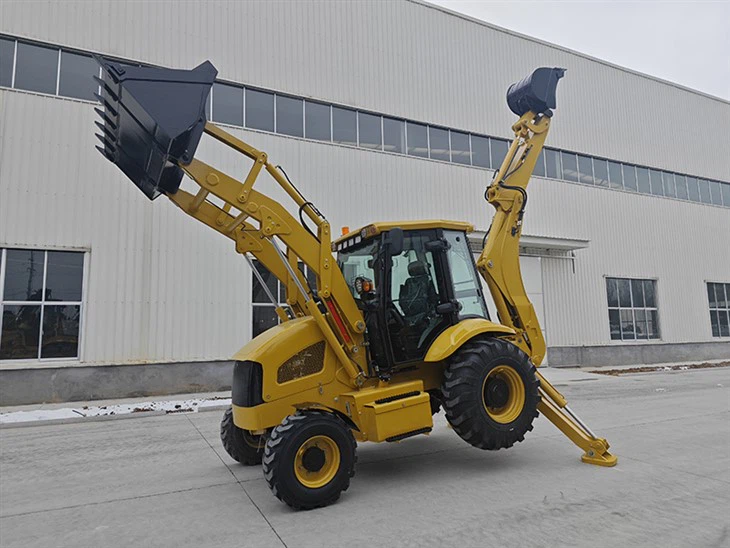
A backhoe loader is a versatile and essential piece of equipment in the construction, agriculture, and landscaping industries. As a backhoe loader supplier, I understand the importance of proper maintenance to ensure these machines operate efficiently and have a long service life. In this blog, I'll delve into the various types of maintenance that a backhoe loader requires.
Daily Maintenance
Visual Inspection
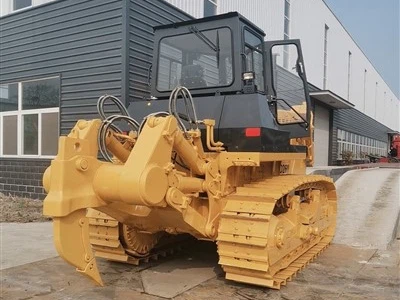
At the start of each workday, a thorough visual inspection is crucial. Check the overall condition of the backhoe loader. Look for any signs of leaks, such as hydraulic fluid, engine oil, or coolant. Leaks can not only lead to a loss of performance but also pose safety risks. Inspect the tires for proper inflation and any signs of damage, such as cuts or bulges. Uneven tire wear can indicate alignment issues that need to be addressed. Examine the tracks (if it's a tracked backhoe loader) for proper tension and any signs of wear or damage.

Fluid Levels
Check the engine oil level using the dipstick. Low oil levels can cause excessive wear and damage to the engine. Ensure the coolant level is within the recommended range in the radiator. Overheating can lead to serious engine problems. Also, check the hydraulic fluid level in the reservoir. Hydraulic systems are critical for the operation of the backhoe and loader functions, and insufficient fluid can result in poor performance or even system failure.
Cleaning
Keep the backhoe loader clean. Remove any dirt, debris, or mud that has accumulated on the machine. This not only helps in maintaining its appearance but also prevents corrosion. Pay special attention to the radiator and air intake to ensure proper airflow. A clogged radiator can cause the engine to overheat, while a blocked air intake can reduce engine performance.
Weekly Maintenance
Greasing
Proper lubrication is essential for the smooth operation of the backhoe loader's moving parts. Weekly, grease all the pivot points, pins, and joints according to the manufacturer's recommendations. This includes the boom, stick, bucket, and loader arms. Using the correct type of grease is important to ensure optimal performance and prevent premature wear.
Battery Check
Inspect the battery for any signs of corrosion on the terminals. Clean the terminals if necessary using a mixture of baking soda and water. Check the battery's electrolyte level (if it's a non-sealed battery) and top it up with distilled water if required. Ensure the battery is securely fastened to prevent vibrations from damaging it.
Filter Inspection
Check the air filter, fuel filter, and hydraulic filter. A dirty air filter can restrict airflow to the engine, reducing its power and efficiency. A clogged fuel filter can cause fuel delivery problems, while a dirty hydraulic filter can lead to contamination of the hydraulic system. Replace the filters if they are dirty or clogged.
Monthly Maintenance
Hydraulic System Check
Inspect the hydraulic hoses for any signs of wear, cracks, or leaks. Replace any damaged hoses immediately to prevent hydraulic fluid loss and potential system failure. Check the hydraulic pressure using a pressure gauge to ensure it is within the recommended range. Adjust the pressure if necessary according to the manufacturer's specifications.
Brake Inspection
Test the brakes to ensure they are functioning properly. Check the brake pads or shoes for wear and replace them if they are worn beyond the recommended limit. Inspect the brake lines for any signs of leaks or damage. Proper braking is crucial for the safety of the operator and those working around the backhoe loader.
Transmission Check
If the backhoe loader has a transmission, check the transmission fluid level and condition. Low or dirty transmission fluid can cause shifting problems and damage to the transmission. Follow the manufacturer's recommendations for changing the transmission fluid at the appropriate intervals.
Seasonal Maintenance
Engine Tune - Up
At least once a year or as recommended by the manufacturer, perform an engine tune - up. This includes replacing the spark plugs (if it's a gasoline engine), checking the ignition timing, and adjusting the valves. A well - tuned engine runs more efficiently, has better power output, and emits fewer pollutants.
Cooling System Flush
Flush the cooling system and replace the coolant according to the manufacturer's schedule. Over time, coolant can become contaminated with rust, scale, and other debris, which can reduce its effectiveness in cooling the engine. A proper coolant flush helps to maintain the engine's operating temperature.
Storage Preparation
If the backhoe loader is going to be stored for an extended period, such as during the winter months, take proper storage precautions. Drain the fuel tank or add a fuel stabilizer to prevent fuel from deteriorating. Change the engine oil and filter to remove any contaminants that may have accumulated. Grease all the moving parts and cover the machine to protect it from the elements.
Special Considerations for New Mini Backhoe Loader
If you're interested in a New Mini Backhoe Loader, it's important to note that while the basic maintenance principles remain the same, there may be some differences due to its smaller size and specific design features. For example, the fluid capacities may be smaller, and the components may be more compact. Always refer to the manufacturer's manual for detailed maintenance instructions specific to the new mini backhoe loader.
Importance of Maintenance
Proper maintenance of a backhoe loader offers several benefits. Firstly, it ensures the safety of the operator. A well - maintained machine is less likely to experience sudden breakdowns or malfunctions that could lead to accidents. Secondly, it improves the machine's performance. Regular maintenance keeps the engine, hydraulic system, and other components in optimal condition, resulting in better power, efficiency, and productivity. Thirdly, it extends the service life of the backhoe loader. By preventing premature wear and damage, you can get more years of use out of your investment.
Contact for Purchase and Maintenance Consultation
If you're in the market for a backhoe loader or need more information about maintenance, I'm here to help. Whether you're a small - scale contractor or a large construction company, we have the right backhoe loader for your needs. Our team of experts can provide you with detailed information about the maintenance requirements of our machines and offer advice on how to keep them in top condition. Feel free to reach out to us to start a discussion about your purchasing and maintenance needs.
References
- Manufacturer's manuals for backhoe loaders
- Industry standards and best practices for construction equipment maintenance