

Hey there, fellow construction enthusiasts! As a supplier of crawler excavators, I often get asked about the types of fuel these powerful machines use. So, let's dive right into it and explore the different fuel options for crawler excavators.
Diesel Fuel: The Go - To Choice
Most crawler excavators out there run on diesel fuel, and there's a good reason for that. Diesel engines are known for their high torque, which is crucial for heavy - duty tasks like digging, lifting, and moving large amounts of earth.
Diesel fuel has a high energy density, meaning it can store a lot of energy in a relatively small volume. This allows crawler excavators to operate for longer periods without refueling. For instance, our 60 Ton Excavator with Different Attachments is a beast on the construction site, and its diesel engine provides the power needed to handle the toughest jobs.
Another advantage of diesel engines is their durability. They are built to withstand high compression ratios, which means they can last for a long time with proper maintenance. Diesel engines also tend to be more efficient than gasoline engines, especially in heavy - load applications. This efficiency translates into cost savings over the long run, as you'll spend less on fuel for the same amount of work.
However, diesel engines do have some drawbacks. They produce more emissions compared to other fuel types, especially nitrogen oxides (NOx) and particulate matter. In recent years, there have been stricter regulations on diesel engine emissions, which has led to the development of cleaner diesel technologies, such as diesel particulate filters and selective catalytic reduction systems.
Electric Power: The Future of Crawler Excavators
In recent years, electric crawler excavators have been gaining popularity. These machines are powered by batteries, which offer several advantages. First of all, they are much quieter than diesel - powered excavators. This is a big plus, especially in urban areas where noise pollution can be a major issue.
Electric excavators also produce zero emissions at the point of use. This makes them a more environmentally friendly option, which is becoming increasingly important as the construction industry looks for ways to reduce its carbon footprint. Our Mini Excavator Digger 2.7 Ton is available in an electric version, which is perfect for small - scale projects and indoor use.
However, there are some challenges with electric crawler excavators. One of the main issues is the limited battery life. Depending on the size of the battery and the intensity of the work, an electric excavator may need to be recharged several times a day. This can be a problem on large construction sites where continuous operation is required. Additionally, the initial cost of an electric excavator is usually higher than that of a diesel - powered one. But as battery technology improves and economies of scale come into play, the cost is expected to come down.
Hybrid Technology: The Best of Both Worlds
Hybrid crawler excavators combine the benefits of diesel and electric power. These machines have both a diesel engine and an electric motor. The diesel engine is used to generate electricity, which is then stored in a battery. The electric motor can then use this stored energy to power the excavator.
Hybrid excavators offer improved fuel efficiency compared to traditional diesel - powered machines. They can also reduce emissions, as the electric motor can be used for lighter tasks, while the diesel engine kicks in for heavier loads. Our 9 Ton Crawler Excavator Mini Diggers is available in a hybrid version, which provides a great balance between power and efficiency.
One of the challenges with hybrid technology is the complexity of the system. There are more components to maintain, and the cost of repairs can be higher. However, as the technology matures, these issues are likely to be addressed.
Other Fuel Options
There are also some other fuel options being explored for crawler excavators. For example, some manufacturers are looking into using natural gas as a fuel. Natural gas is a cleaner - burning fuel compared to diesel, and it can be a cost - effective alternative in some regions. However, the infrastructure for natural gas refueling is not as widespread as that for diesel, which can be a limitation.

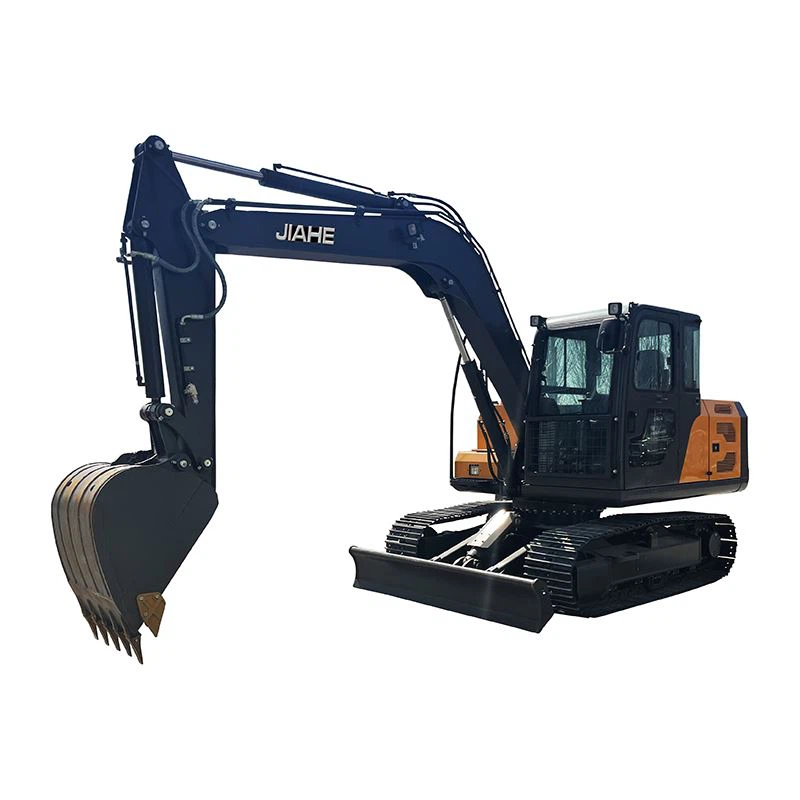
Another option is biofuels, which are made from renewable sources such as vegetable oils or animal fats. Biofuels can reduce greenhouse gas emissions and are a more sustainable option. However, the production and availability of biofuels can be limited, and they may not be suitable for all types of crawler excavators.
Conclusion
So, there you have it! There are several fuel options available for crawler excavators, each with its own advantages and disadvantages. Diesel fuel is still the most common choice, but electric, hybrid, and other alternative fuels are becoming more popular as the industry looks for ways to reduce emissions and improve efficiency.
If you're in the market for a crawler excavator and want to discuss the best fuel option for your specific needs, don't hesitate to reach out. We're here to help you make the right choice and get the most out of your investment. Whether you're looking for a small - scale Mini Excavator Digger 2.7 Ton or a heavy - duty 60 Ton Excavator with Different Attachments, we've got you covered.
References
- SAE International. "Diesel Engine Basics."
- International Energy Agency. "Electric Vehicles in Construction."
- Construction Equipment magazine. "Hybrid and Electric Construction Equipment."


