

What is the typical capacity of a wheel loader?
As a wheel loader supplier, I often get asked about the typical capacity of wheel loaders. Wheel loaders are versatile construction machines used for a variety of tasks, including loading, transporting, and dumping materials such as gravel, sand, and dirt. The capacity of a wheel loader is an important factor to consider when choosing the right machine for your project.
Understanding Wheel Loader Capacity
The capacity of a wheel loader is typically measured in cubic yards or cubic meters. This refers to the volume of material that the loader's bucket can hold. The capacity can vary widely depending on the size and model of the wheel loader. Smaller wheel loaders may have a capacity of around 1 to 2 cubic yards, while larger models can have capacities of 5 cubic yards or more.
Factors Affecting Capacity
Several factors can affect the capacity of a wheel loader. One of the most significant factors is the size of the bucket. Larger buckets can hold more material, but they may also require a more powerful machine to operate effectively. The design of the bucket can also impact its capacity. Some buckets are designed to be more efficient at loading and unloading materials, which can increase the overall productivity of the wheel loader.
Another factor that can affect capacity is the type of material being handled. Different materials have different densities, which means that the same volume of material can weigh different amounts. For example, a cubic yard of gravel may weigh more than a cubic yard of sand. This can affect the amount of material that the wheel loader can carry in a single load.
The operating conditions can also have an impact on the capacity of a wheel loader. If the terrain is rough or uneven, the loader may have to work harder to move the material, which can reduce its capacity. Similarly, if the material is wet or sticky, it may be more difficult to load and unload, which can also affect the capacity.
Typical Capacities of Wheel Loaders
Now, let's take a look at some of the typical capacities of wheel loaders. Small wheel loaders, which are often used for light-duty tasks such as landscaping and small construction projects, typically have a capacity of around 1 to 2 cubic yards. These loaders are usually compact and easy to maneuver, making them ideal for working in tight spaces.
Medium-sized wheel loaders, which are commonly used in construction and mining applications, typically have a capacity of around 2 to 5 cubic yards. These loaders are more powerful than small loaders and can handle larger volumes of material. They are also more versatile and can be used for a variety of tasks.
Large wheel loaders, which are used for heavy-duty applications such as large-scale construction and mining projects, typically have a capacity of 5 cubic yards or more. These loaders are very powerful and can handle large volumes of material quickly and efficiently. They are also equipped with advanced features such as high-capacity buckets and powerful engines.

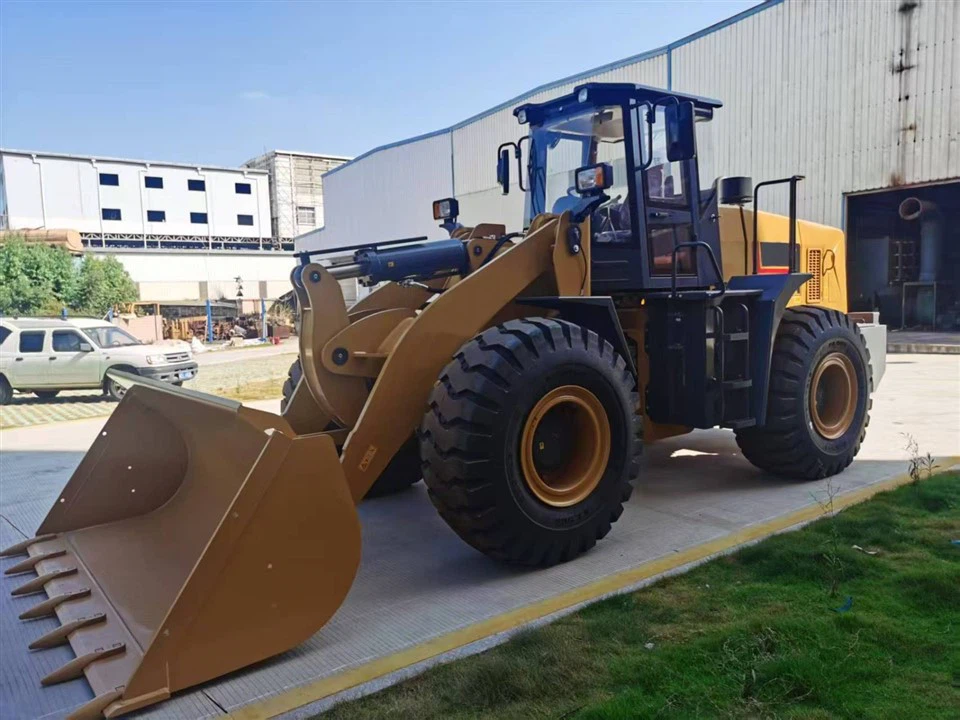
Our Wheel Loader Offerings
As a wheel loader supplier, we offer a wide range of wheel loaders with different capacities to meet the needs of our customers. Our Wheel Loader Diesel Loader 3 Ton is a popular choice for medium-sized construction projects. It has a capacity of 3 cubic yards and is equipped with a powerful diesel engine for efficient operation.
For larger projects, we recommend our Front Loader 4x4 Diesel Wheel Loader 5 Ton. This loader has a capacity of 5 cubic yards and is designed for heavy-duty applications. It features a 4x4 drive system for improved traction and stability, making it suitable for working in rough terrain.
Choosing the Right Capacity
When choosing a wheel loader, it's important to consider the specific requirements of your project. If you're working on a small project with limited space, a small wheel loader with a capacity of 1 to 2 cubic yards may be sufficient. However, if you're working on a large project that requires moving large volumes of material, a larger wheel loader with a capacity of 5 cubic yards or more may be necessary.
It's also important to consider the type of material you'll be handling. If you're working with heavy or dense materials, you may need a wheel loader with a higher capacity to ensure that you can move the material efficiently. On the other hand, if you're working with lighter materials, a smaller wheel loader may be more appropriate.
Conclusion
The typical capacity of a wheel loader can vary widely depending on the size and model of the machine. Small wheel loaders typically have a capacity of around 1 to 2 cubic yards, while larger models can have capacities of 5 cubic yards or more. When choosing a wheel loader, it's important to consider the specific requirements of your project, including the type of material you'll be handling and the operating conditions.
If you're interested in learning more about our wheel loaders or have any questions about choosing the right capacity for your project, please don't hesitate to contact us. We're here to help you find the perfect wheel loader for your needs.
References
- Construction Equipment Guide. (n.d.). Wheel Loaders: A Buyer's Guide. Retrieved from [website URL]
- Caterpillar. (n.d.). Wheel Loader Product Guide. Retrieved from [website URL]
- Komatsu. (n.d.). Wheel Loader Specifications. Retrieved from [website URL]


