

As a wheel loader supplier, I understand the importance of reducing operating costs for businesses that rely on these heavy - duty machines. Wheel loaders are essential equipment in various industries such as construction, mining, and agriculture. However, their operation can be costly, including fuel consumption, maintenance, and labor. In this blog, I will share some effective ways to reduce the operating costs of a wheel loader.
1. Fuel Efficiency
Fuel is one of the most significant expenses in operating a wheel loader. Improving fuel efficiency can lead to substantial cost savings over time.
- Proper Maintenance: Regular maintenance is crucial for ensuring optimal fuel efficiency. This includes changing air filters, fuel filters, and engine oil at the recommended intervals. A clogged air filter can restrict airflow to the engine, causing it to work harder and consume more fuel. For example, if the air filter is dirty, the engine may not be able to burn fuel efficiently, leading to increased fuel consumption.
- Operator Training: Well - trained operators can significantly impact fuel efficiency. Teach operators to avoid unnecessary idling, as idling consumes fuel without performing any productive work. Encourage them to use the loader's gears effectively and to operate the machine smoothly. For instance, sudden acceleration and braking can waste fuel. Operators should also be trained to match the loader's speed and power to the task at hand.
- Use of Advanced Technologies: Some modern wheel loaders are equipped with advanced technologies such as engine management systems and hybrid power options. These technologies can optimize fuel consumption by adjusting the engine's performance based on the load and operating conditions. For example, a hybrid wheel loader can use an electric motor in addition to the diesel engine, reducing fuel consumption during low - load operations.
2. Maintenance and Repairs
Regular maintenance and timely repairs can prevent major breakdowns and extend the lifespan of the wheel loader, ultimately reducing operating costs.
- Scheduled Maintenance: Establish a comprehensive maintenance schedule and stick to it. This should include daily, weekly, monthly, and annual maintenance tasks. Daily checks can include inspecting the tires, fluid levels, and the overall condition of the machine. Weekly and monthly maintenance may involve lubricating moving parts, checking the hydraulic system, and inspecting the brakes. Annual maintenance can include a more in - depth inspection and servicing of the engine and other major components.
- Quality Parts: When it comes to replacement parts, always use high - quality parts. While they may be more expensive upfront, they are likely to last longer and perform better, reducing the frequency of replacements. For example, using a high - quality hydraulic hose can prevent leaks and ensure the proper functioning of the hydraulic system, which is essential for the loader's operation.
- Predictive Maintenance: Consider implementing a predictive maintenance program. This involves using sensors and data analytics to monitor the condition of the wheel loader's components. By detecting potential problems early, you can schedule maintenance before a breakdown occurs, reducing downtime and repair costs. For instance, sensors can monitor the temperature and vibration of the engine, alerting you to any abnormal conditions.
3. Operator Productivity
Efficient operators can increase the productivity of the wheel loader, which in turn can reduce operating costs per unit of work.
- Training and Skill Development: Provide regular training to operators to improve their skills and knowledge. This can include training on the proper operation of the loader, safety procedures, and new technologies. A skilled operator can complete tasks more quickly and accurately, reducing the time and resources required for each job.
- Workload Management: Ensure that operators are assigned appropriate workloads. Overloading the loader can cause excessive wear and tear on the machine and increase fuel consumption. On the other hand, under - utilizing the loader can also be inefficient. By properly managing the workload, you can optimize the use of the wheel loader and reduce costs.
- Incentive Programs: Consider implementing incentive programs for operators to encourage productivity. For example, you can offer bonuses for meeting or exceeding productivity targets. This can motivate operators to work more efficiently and improve the overall performance of the wheel loader.
4. Equipment Selection
Choosing the right wheel loader for the job can have a significant impact on operating costs.
- Size and Capacity: Select a wheel loader with the appropriate size and capacity for your specific needs. A loader that is too large for the job may consume more fuel and be more expensive to operate, while a loader that is too small may not be able to handle the workload efficiently. For example, if you are working on a small construction site, a Wheel Loader Diesel Loader 3 Ton may be sufficient, while a larger project may require a Front Loader 4x4 Diesel Wheel Loader 5 Ton.
- Features and Technologies: Look for wheel loaders with features and technologies that can improve efficiency and reduce costs. For example, loaders with automatic bucket leveling systems can reduce the time and effort required to level the bucket, increasing productivity. Additionally, loaders with advanced telematics systems can provide real - time data on fuel consumption, maintenance needs, and operator performance, allowing you to make informed decisions to reduce costs.
5. Fleet Management
If you have multiple wheel loaders in your fleet, effective fleet management can help reduce operating costs.

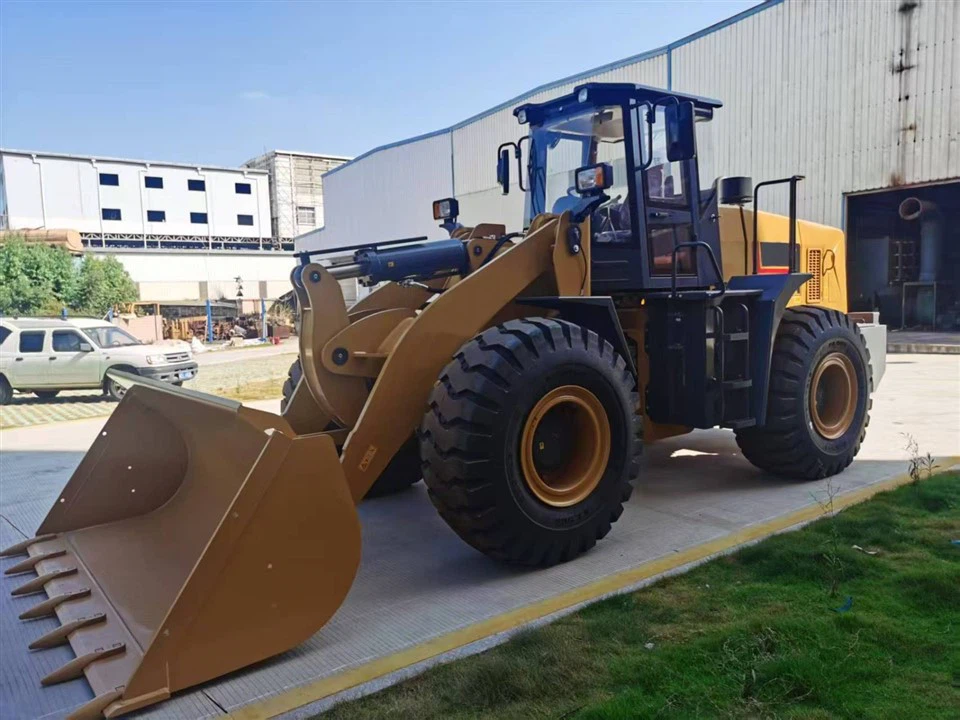
- Optimal Fleet Size: Determine the optimal number of wheel loaders for your operations. Having too many loaders can lead to under - utilization and increased costs, while having too few can result in delays and lost productivity. Analyze your workload and usage patterns to determine the right fleet size.
- Fleet Rotation: Rotate the use of your wheel loaders to ensure even wear and tear. This can extend the lifespan of the machines and reduce the need for frequent replacements. For example, you can assign different loaders to different types of jobs or rotate them on a regular basis.
- Data Analysis: Use data analysis to monitor the performance of your wheel loader fleet. This can include analyzing fuel consumption, maintenance records, and operator productivity. By identifying trends and areas for improvement, you can make adjustments to reduce operating costs.
In conclusion, reducing the operating costs of a wheel loader requires a comprehensive approach that includes fuel efficiency, maintenance, operator productivity, equipment selection, and fleet management. By implementing these strategies, businesses can save money, improve productivity, and extend the lifespan of their wheel loaders.
If you are interested in learning more about our wheel loaders or have any questions regarding cost - reduction strategies, please feel free to contact us for procurement and further discussions.
References
- "Wheel Loader Operations and Maintenance Manuals" - Various manufacturers' manuals.
- "Fuel Efficiency in Heavy Equipment" - Industry research reports.
- "Operator Training Best Practices" - Professional training organizations' materials.


