

The power steering mechanism in a diesel forklift is a critical component that significantly enhances the forklift's maneuverability and operator control. As a diesel forklift supplier, understanding the intricacies of this mechanism is essential for providing our customers with the best products and support.
Understanding the Basics of Power Steering
Power steering in a diesel forklift is designed to reduce the amount of effort required by the operator to turn the steering wheel, especially when the forklift is carrying heavy loads or operating in tight spaces. This is achieved by using a power source, typically the forklift's diesel engine, to assist in the steering process.
The basic principle behind power steering involves the use of hydraulic or electric systems. In a hydraulic power steering system, the diesel engine drives a hydraulic pump. This pump pressurizes hydraulic fluid, which is then directed to a steering gear or actuator. When the operator turns the steering wheel, valves in the steering gear control the flow of hydraulic fluid, which in turn moves the steering linkage and turns the wheels.

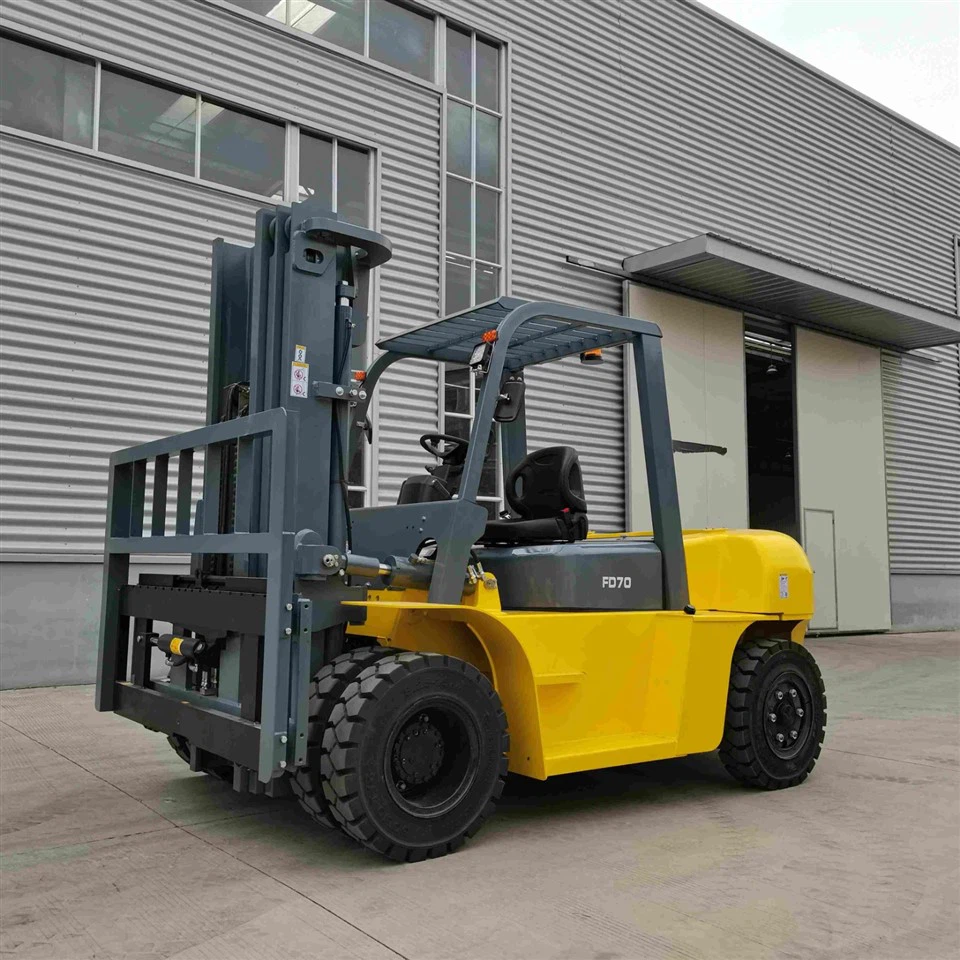
On the other hand, electric power steering systems use an electric motor to provide the steering assistance. These systems are becoming increasingly popular due to their energy efficiency and lower maintenance requirements. In an electric power steering system, sensors detect the position and movement of the steering wheel, and the electric motor provides the appropriate amount of assistance based on this information.
Components of a Power Steering System in a Diesel Forklift
Hydraulic Pump
The hydraulic pump is a key component of a hydraulic power steering system. It is driven by the diesel engine and is responsible for pressurizing the hydraulic fluid. There are different types of hydraulic pumps used in forklifts, such as gear pumps, vane pumps, and piston pumps. Gear pumps are the most common type due to their simplicity, reliability, and cost - effectiveness.
Steering Gear
The steering gear is another important part of the power steering system. It converts the rotational motion of the steering wheel into linear motion to turn the wheels. There are several types of steering gears, including recirculating ball steering gears and rack - and - pinion steering gears. Recirculating ball steering gears are commonly used in heavy - duty forklifts because they can handle high loads and provide a smooth steering feel. Rack - and - pinion steering gears, on the other hand, are more compact and offer better steering response.
Hydraulic Hoses and Lines
Hydraulic hoses and lines are used to transport the pressurized hydraulic fluid from the pump to the steering gear and other components of the power steering system. These hoses and lines must be able to withstand high pressures and resist abrasion and corrosion. Regular inspection and maintenance of the hydraulic hoses and lines are crucial to prevent leaks and ensure the proper functioning of the power steering system.
Power Steering Fluid
Power steering fluid is essential for the operation of a hydraulic power steering system. It serves as a lubricant, coolant, and a medium for transmitting power. The type of power steering fluid used in a diesel forklift depends on the manufacturer's specifications. It is important to use the correct type of fluid and to maintain the proper fluid level to ensure the longevity and performance of the power steering system.
Advantages of Power Steering in Diesel Forklifts
Improved Maneuverability
One of the main advantages of power steering in diesel forklifts is improved maneuverability. Operators can easily turn the steering wheel, even when the forklift is carrying heavy loads. This allows for more precise control of the forklift, especially in narrow aisles and congested areas. For example, in a warehouse with limited space, a forklift with power steering can be easily maneuvered to pick up and place pallets without causing damage to the surrounding equipment or inventory.
Reduced Operator Fatigue
Power steering significantly reduces the physical effort required by the operator to steer the forklift. This is particularly important during long - shift operations, as it helps to reduce operator fatigue. When operators are less fatigued, they are more likely to be alert and focused, which can improve safety and productivity in the workplace.
Enhanced Safety
Power steering also enhances safety in the workplace. With better control and maneuverability, operators can avoid collisions and accidents more easily. In emergency situations, such as sudden stops or evasive maneuvers, the power steering system allows for quick and precise steering, which can prevent potential disasters.
Our Diesel Forklift Offerings
As a diesel forklift supplier, we offer a wide range of diesel forklifts with advanced power steering systems. Our forklifts are designed to meet the diverse needs of different industries, from manufacturing and warehousing to construction and logistics.
We have Forklift Diesel 7 Tons that are suitable for heavy - duty applications. These forklifts are equipped with high - performance power steering systems that can handle the large loads and provide smooth and precise steering control.
Our 5 Ton Diesel Forklift is a popular choice for medium - sized operations. It offers a good balance between capacity and maneuverability, thanks to its advanced power steering technology.
For smaller operations or applications where space is limited, we offer 2.5 Ton Diesel Forklift. These forklifts are highly maneuverable and easy to operate, making them ideal for use in narrow aisles and confined spaces.
Maintenance and Troubleshooting of Power Steering Systems
Regular maintenance of the power steering system is essential to ensure its proper functioning and longevity. This includes checking the power steering fluid level, inspecting the hydraulic hoses and lines for leaks and damage, and lubricating the steering components as recommended by the manufacturer.
If you encounter problems with the power steering system, such as difficulty in steering, excessive noise, or fluid leaks, it is important to address them promptly. In some cases, simple adjustments or repairs can solve the problem. However, if the issue persists, it may be necessary to consult a professional technician.
Contact Us for Purchase and Consultation
If you are in the market for a diesel forklift with a reliable power steering system, we are here to help. Our team of experts can provide you with detailed information about our products, including their features, specifications, and performance. We can also offer customized solutions based on your specific requirements.
Whether you need a forklift for a small - scale operation or a large - scale industrial project, we have the right product for you. Contact us today to start the procurement process and discuss how our diesel forklifts can improve your operations.
References
- "Forklift Operator's Manual" - Various manufacturers
- "Hydraulic Systems in Industrial Equipment" - Industry publications
- "Power Steering Technology: Principles and Applications" - Technical books on automotive and industrial steering systems


