

What is the Hydraulic System Pressure of a Long Arm Excavator?
As a long - standing supplier of Long Arm Excavator, I've witnessed the evolution and significance of these powerful machines in the construction and excavation industries. One of the most critical aspects of a long arm excavator is its hydraulic system pressure, which plays a pivotal role in determining the machine's performance, efficiency, and overall functionality.
Understanding the Basics of Hydraulic Systems in Long Arm Excavators
A hydraulic system in a long arm excavator is a complex network of components that use pressurized fluid to transmit power. The system consists of a hydraulic pump, control valves, hydraulic cylinders, and hoses. The hydraulic pump is the heart of the system, responsible for generating the pressure needed to move the various parts of the excavator.
The pressure in a hydraulic system is measured in pounds per square inch (psi) or bar. In long arm excavators, the hydraulic system pressure can vary significantly depending on the model, size, and intended application of the machine.
Factors Affecting Hydraulic System Pressure
- Machine Size and Design
Larger long arm excavators typically require higher hydraulic system pressures to operate effectively. This is because they have larger hydraulic cylinders and more massive components that need more force to move. For example, a large - scale long arm excavator used in heavy - duty mining operations may have a hydraulic system pressure of up to 5000 psi or more. In contrast, a smaller long arm excavator used for light - duty construction work may operate at a pressure of around 2000 - 3000 psi. - Application Requirements
The type of work the long arm excavator is intended for also influences the hydraulic system pressure. If the excavator is used for tasks such as deep digging, heavy lifting, or rock breaking, it will require a higher pressure to generate the necessary force. On the other hand, if it is used for more delicate tasks like grading or material handling, a lower pressure may be sufficient. - Component Quality and Condition
The quality and condition of the hydraulic components also affect the system pressure. High - quality components are designed to withstand higher pressures and operate more efficiently. Worn - out or damaged components, such as seals, valves, or pumps, can cause a drop in pressure and lead to reduced performance. Regular maintenance and inspection of the hydraulic system are essential to ensure optimal pressure and performance.
Typical Hydraulic System Pressure Ranges
In general, the hydraulic system pressure of a long arm excavator can range from 1500 psi to 5000 psi. However, this is a broad range, and the actual pressure will depend on the factors mentioned above.
For smaller long arm excavators with a bucket capacity of less than 1 cubic meter, the hydraulic system pressure usually falls in the range of 1500 - 2500 psi. These excavators are often used for light - to - medium - duty tasks such as landscaping, small - scale construction, and utility work.
Medium - sized long arm excavators with a bucket capacity between 1 and 2 cubic meters typically have a hydraulic system pressure of 2500 - 3500 psi. These machines are suitable for a wider range of applications, including general construction, road building, and excavation in moderately hard soil.
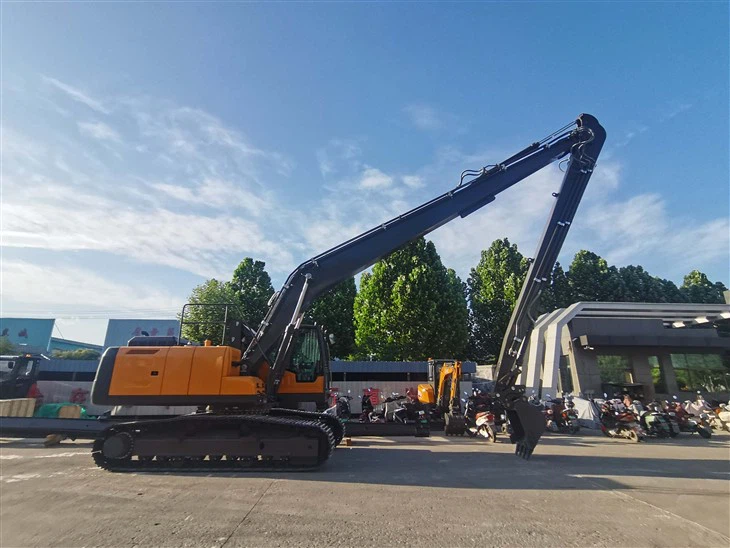
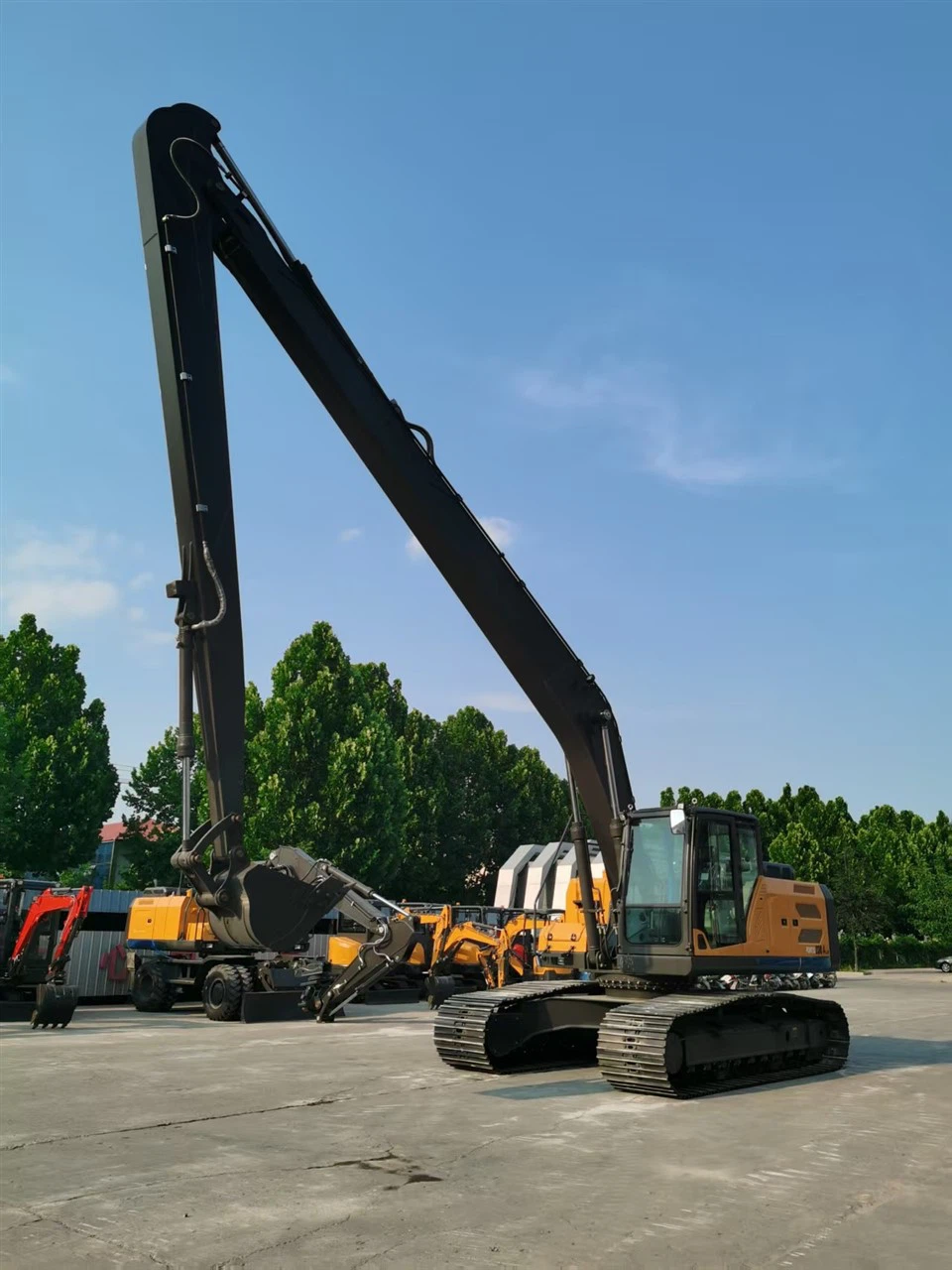
Large long arm excavators with a bucket capacity of more than 2 cubic meters can have a hydraulic system pressure of 3500 - 5000 psi or even higher. These excavators are designed for heavy - duty applications such as large - scale mining, quarrying, and major construction projects.
Importance of Maintaining Optimal Hydraulic System Pressure
Maintaining the correct hydraulic system pressure is crucial for the proper functioning of a long arm excavator. Here are some reasons why:
- Performance and Efficiency
Optimal pressure ensures that the excavator can perform its tasks efficiently. It allows the hydraulic cylinders to extend and retract smoothly, enabling precise control of the boom, arm, and bucket. This results in faster cycle times, increased productivity, and better overall performance. - Component Longevity
Proper pressure helps to reduce wear and tear on the hydraulic components. When the pressure is too high, it can cause excessive stress on the seals, hoses, and valves, leading to premature failure. On the other hand, low pressure can result in inefficient operation and may cause the components to work harder than necessary, also shortening their lifespan. - Safety
A well - maintained hydraulic system with the correct pressure is essential for the safety of the operator and those working around the excavator. Incorrect pressure can lead to sudden movements or malfunctions, which can pose a significant safety risk.
How to Monitor and Adjust Hydraulic System Pressure
Monitoring the hydraulic system pressure is an important part of excavator maintenance. Most modern long arm excavators are equipped with pressure gauges that allow the operator to check the pressure at various points in the system. Regularly checking these gauges can help detect any potential problems early on.
If the pressure is too high or too low, it may be necessary to adjust the system. This can be done by adjusting the relief valve, which is a safety device that limits the maximum pressure in the system. However, adjusting the relief valve should only be done by a qualified technician, as incorrect adjustments can cause serious damage to the hydraulic system.
Conclusion
The hydraulic system pressure of a long arm excavator is a critical factor that determines its performance, efficiency, and safety. As a Long Arm Excavator supplier, we understand the importance of providing high - quality machines with well - maintained hydraulic systems. If you are in the market for a long arm excavator or need assistance with maintaining your existing equipment, we are here to help. Our team of experts can provide you with the information and support you need to make the right choice for your specific requirements. Contact us today to start a discussion about your long arm excavator needs and explore how we can help you achieve your project goals.
References
- "Hydraulic Systems in Construction Equipment" - A technical manual on hydraulic systems used in various construction machinery.
- "Excavator Operation and Maintenance Guide" - A comprehensive guide that provides detailed information on the operation and maintenance of excavators, including hydraulic system management.


