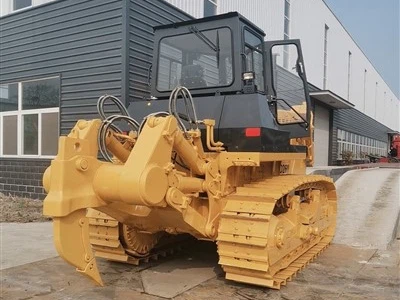
Vibration in a crawler excavator can be a significant issue, affecting not only the operator's comfort but also the machine's performance and longevity. As a crawler excavator supplier, we understand the importance of addressing this problem effectively. In this blog, we'll explore various ways to reduce the vibration of a crawler excavator.
Understanding the Sources of Vibration
Before we can tackle the issue of vibration, it's essential to understand where it comes from. The primary sources of vibration in a crawler excavator include:
- Engine Operation: The internal combustion engine is a major source of vibration. The pistons moving up and down, the rotation of the crankshaft, and the combustion process all generate vibrations that can be transmitted throughout the machine.
- Track Movement: The tracks of a crawler excavator are in constant contact with the ground. As the tracks move, they encounter uneven terrain, which can cause vibrations. The interaction between the tracks and the ground can also lead to vibrations due to friction and impact forces.
- Hydraulic System: The hydraulic system in a crawler excavator is responsible for powering the various functions of the machine, such as the boom, arm, and bucket. The flow of hydraulic fluid and the operation of the hydraulic cylinders can generate vibrations.
- Working Attachments: The attachments used with the excavator, such as buckets, breakers, and grapples, can also contribute to vibration. The impact of the attachment on the material being worked on and the movement of the attachment can cause vibrations.
Strategies to Reduce Vibration
Engine Mounting
One of the most effective ways to reduce engine - related vibration is through proper engine mounting. High - quality engine mounts are designed to isolate the engine from the rest of the machine. These mounts are typically made of rubber or other elastic materials that can absorb and dampen the vibrations generated by the engine. By using mounts with the right stiffness and damping characteristics, we can significantly reduce the amount of vibration transmitted to the cab and other parts of the excavator.


Track Maintenance
Regular track maintenance is crucial for reducing track - related vibration. This includes checking the track tension, ensuring that the track links are in good condition, and keeping the track clean. Proper track tension is essential because an overly loose or tight track can cause uneven movement and increased vibration. Inspecting the track links for wear and damage and replacing them when necessary can also help to minimize vibration.
Hydraulic System Optimization
Optimizing the hydraulic system can also help to reduce vibration. This involves ensuring that the hydraulic fluid is clean and at the correct level, and that the hydraulic components, such as pumps, valves, and cylinders, are in good working condition. Using high - quality hydraulic filters can help to remove contaminants from the fluid, which can improve the performance of the system and reduce vibration. Additionally, adjusting the hydraulic flow and pressure settings to match the specific operating conditions can help to minimize vibration.
Attachment Selection and Use
Selecting the right attachments for the job and using them correctly can also reduce vibration. For example, using a bucket with the appropriate size and shape for the material being excavated can reduce the impact forces and vibrations. When using attachments such as breakers, it's important to follow the manufacturer's recommendations for operation and maintenance to minimize vibration.
Cab Design and Isolation
The design of the cab can have a significant impact on the operator's experience of vibration. A well - designed cab with proper vibration isolation can reduce the amount of vibration transmitted to the operator. This can include using vibration - absorbing materials in the cab structure, such as rubber mounts for the seats and other components. Additionally, the cab can be designed to isolate it from the rest of the machine, reducing the transfer of vibrations.
Case Studies
Let's take a look at some real - world examples of how these strategies have been implemented to reduce vibration in crawler excavators.
A construction company was experiencing high levels of vibration in their 2.2 Ton Mini Small Excavator 2.2 Ton Mini Small Excavator. After conducting a thorough inspection, it was found that the engine mounts were worn out. By replacing the engine mounts with high - quality ones, the vibration levels were significantly reduced. The operator reported a more comfortable working experience, and the overall performance of the excavator improved.
Another example involves a mining operation that was using a 3.5 ton 4 ton excavator 3.5 ton 4 ton excavator. The tracks of the excavator were not properly maintained, which was causing excessive vibration. By regularly checking and adjusting the track tension, and replacing worn track links, the vibration levels were reduced. This not only improved the operator's comfort but also extended the lifespan of the tracks.
In a large - scale construction project, a 21 Ton Excavator with Thumb 21 Ton Excavator with Thumb was experiencing vibration issues due to an inefficient hydraulic system. By optimizing the hydraulic system, including cleaning the hydraulic fluid and adjusting the flow and pressure settings, the vibration was reduced, and the excavator's performance improved.
Conclusion
Reducing the vibration of a crawler excavator is essential for improving operator comfort, enhancing machine performance, and extending the machine's lifespan. By understanding the sources of vibration and implementing strategies such as proper engine mounting, track maintenance, hydraulic system optimization, attachment selection, and cab design, we can effectively reduce vibration.
If you're in the market for a crawler excavator or need assistance with reducing vibration in your existing machine, we're here to help. Our team of experts can provide you with the best solutions tailored to your specific needs. Contact us today to start a discussion about your requirements and how we can help you achieve a smoother and more efficient operation.
References
- "Excavator Operation and Maintenance Handbook", XYZ Publishing
- "Hydraulic System Design and Optimization for Construction Equipment", ABC Press
- "Track Maintenance Best Practices in Crawler Excavators", DEF Journal