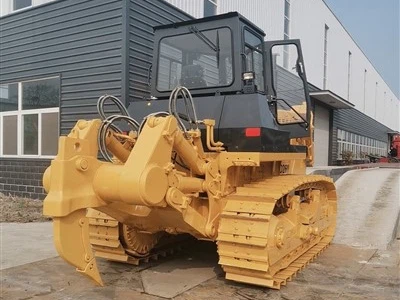
Hey there! If you're in the market for a wheel loader, one of the burning questions you probably have is about fuel consumption. Well, you've come to the right place. I'm a supplier of wheel loaders, and I'm here to break down everything you need to know about how much fuel these machines guzzle.
First things first, let's talk about what affects the fuel consumption of a wheel loader. There are several factors at play here.
Machine Size and Capacity
It's no surprise that bigger wheel loaders tend to use more fuel. A larger machine like the Front Loader 4x4 Diesel Wheel Loader 5 Ton has a more powerful engine and greater weight. This means it takes more energy to get it moving and keep it working. The engine has to work harder to lift heavier loads and transport them around the worksite. On the other hand, a smaller wheel loader such as the Wheel Loader Diesel Loader 3 Ton has a less powerful engine and lighter weight, so it generally consumes less fuel.
Operating Conditions
The environment in which the wheel loader operates has a huge impact on fuel consumption. If the ground is soft, hilly, or uneven, the machine has to work harder to move. This increased effort means the engine uses more fuel. For example, if you're using a wheel loader on a construction site with a lot of mud and debris, the tires will slip more, and the engine will have to work overtime to keep moving forward.
In contrast, if the worksite has a smooth, flat surface, the wheel loader can operate more efficiently, and fuel consumption will be lower. Also, extreme weather conditions can play a role. In cold weather, the engine has to work harder to reach and maintain its optimal operating temperature, which can lead to increased fuel use.
Operator Behavior
Believe it or not, the person behind the controls can make a big difference in fuel consumption. An experienced operator who knows how to handle the machine smoothly and efficiently can save a significant amount of fuel. Avoiding sudden starts and stops, using the right gear for the job, and not overloading the bucket are all ways an operator can keep fuel consumption in check.


On the flip side, a novice operator who is constantly slamming on the gas and brakes or using the wrong gear can cause the wheel loader to use far more fuel than necessary. Training your operators in efficient operating techniques is a great way to reduce fuel costs over time.
Engine Technology
The type of engine in the wheel loader also matters. Modern engines are designed to be more fuel - efficient than older models. They often use advanced technologies such as direct injection, turbocharging, and electronic engine management systems. These features help the engine burn fuel more cleanly and efficiently, reducing both fuel consumption and emissions.
When you're shopping for a wheel loader, it's a good idea to look for models with the latest engine technology. Not only will you save money on fuel in the long run, but you'll also be doing your part for the environment.
Calculating Fuel Consumption
Now, let's talk about how you can actually calculate the fuel consumption of a wheel loader. The most common way is to measure the amount of fuel used over a specific period of time or for a particular job.
For example, you can fill up the wheel loader's fuel tank to the brim and then record the amount of fuel it takes to refill the tank after a day's work. Divide this amount by the number of hours the machine was in operation, and you'll get the fuel consumption rate in liters per hour.
Another way is to calculate it based on the amount of material being moved. If you know how much fuel the wheel loader uses to move a certain amount of gravel, sand, or other material, you can estimate its fuel efficiency for similar jobs in the future.
Tips to Reduce Fuel Consumption
If you're looking to cut down on fuel costs, here are some tips:
- Regular Maintenance: Make sure the wheel loader is properly maintained. This includes changing the oil, air filters, and spark plugs (if it's a diesel engine) at the recommended intervals. A well - maintained engine runs more efficiently and uses less fuel.
- Optimize Workload: Don't overload the wheel loader. Make sure you're using the right size of the bucket for the job. Overloading not only increases wear and tear on the machine but also causes it to use more fuel.
- Plan Your Routes: If possible, plan the shortest and most efficient routes for the wheel loader to take on the worksite. This reduces the amount of time and fuel spent on unnecessary driving.
Choosing the Right Wheel Loader for Your Needs
When it comes to picking the right wheel loader, fuel consumption is just one factor to consider. You also need to think about the type of work you'll be doing, the terrain of your worksite, and your budget.
If you're mainly doing light - duty work on a small worksite, a smaller wheel loader like the Wheel Loader Diesel Loader 3 Ton might be a good choice. It's more fuel - efficient and easier to maneuver in tight spaces.
On the other hand, if you're dealing with heavy - duty tasks like moving large amounts of earth or rock on a big construction site, a larger wheel loader such as the Front Loader 4x4 Diesel Wheel Loader 5 Ton might be necessary, even though it will use more fuel.
Conclusion
In conclusion, the fuel consumption of a wheel loader is influenced by many factors, including machine size, operating conditions, operator behavior, and engine technology. By understanding these factors and taking steps to reduce fuel use, you can save money on your operating costs and make your worksite more efficient.
If you're interested in learning more about our wheel loaders or want to discuss which model would be best for your specific needs, don't hesitate to reach out. We're here to help you make the right choice and get the most out of your investment.
References
- "Construction Equipment Maintenance and Operation Guide", published by a leading industry expert.
- Various manufacturer's manuals for wheel loaders.