

As a supplier of 4 - ton diesel forklifts, I often get asked about the spare parts that are commonly needed for these workhorses of the industrial world. A 4 - ton diesel forklift is a powerful and reliable machine, but like any piece of equipment, it requires regular maintenance and occasional replacement of parts to keep it running smoothly. In this blog post, I'll share some of the most common spare parts required for a 4 - ton diesel forklift.
Engine Components
The engine is the heart of the forklift, and its components are often in high demand.
Air Filters
Air filters are crucial for keeping the engine clean. They prevent dust, dirt, and other contaminants from entering the engine, which can cause damage over time. A clogged air filter can reduce engine performance and increase fuel consumption. Regularly replacing the air filter is a simple yet effective way to maintain the engine's health.
Fuel Filters
Fuel filters play a vital role in ensuring that the diesel fuel entering the engine is clean. Contaminated fuel can lead to injector problems, reduced engine power, and even engine failure. Replacing the fuel filter at recommended intervals helps to keep the fuel system in good working order.
Oil Filters
Oil filters are responsible for removing impurities from the engine oil. Clean oil is essential for lubricating the engine's moving parts and reducing wear and tear. Over time, the oil filter can become clogged, reducing its effectiveness. Regular oil filter changes are necessary to maintain proper engine lubrication.
Spark Plugs (for Diesel Engines with Glow Plugs)
Although diesel engines don't have traditional spark plugs like gasoline engines, they do have glow plugs. Glow plugs are used to heat the combustion chamber during cold starts, helping the diesel fuel to ignite. Faulty glow plugs can make it difficult to start the forklift, especially in cold weather.

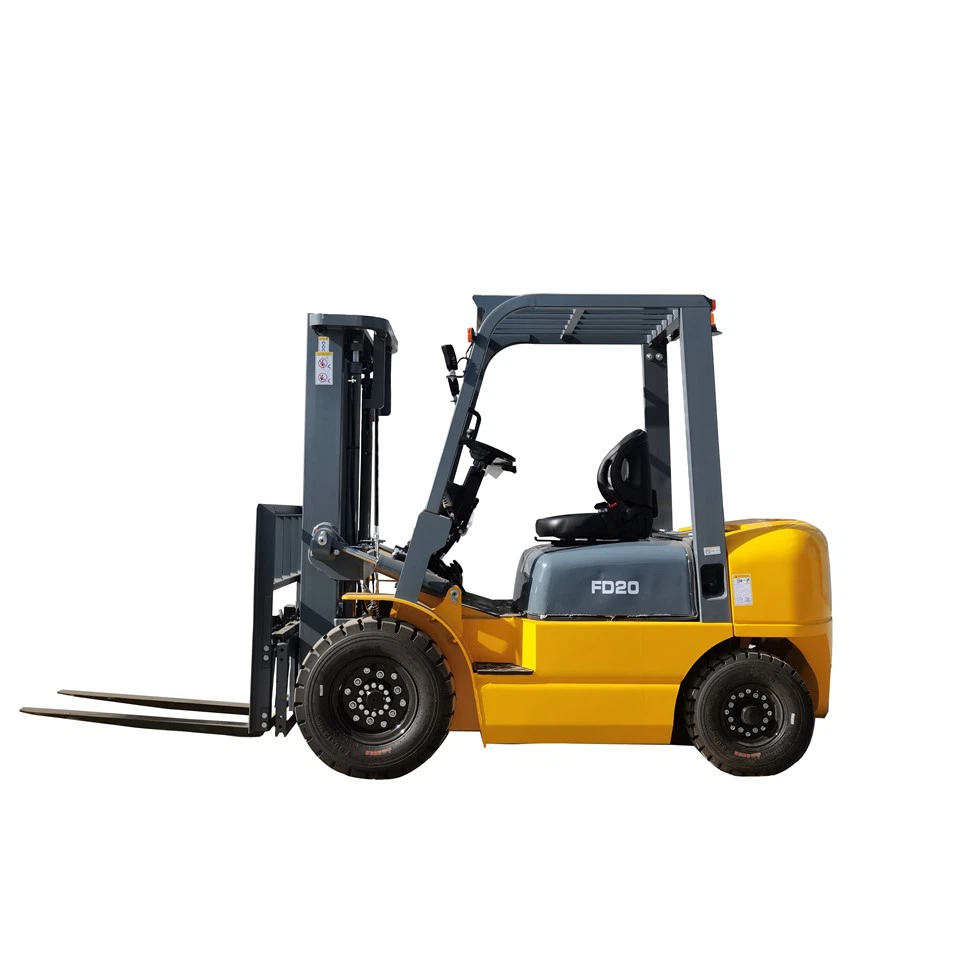
Hydraulic System Parts
The hydraulic system is what allows the forklift to lift and lower loads.
Hydraulic Hoses
Hydraulic hoses carry the hydraulic fluid from the pump to the various hydraulic cylinders. Over time, these hoses can develop leaks or cracks, which can lead to a loss of hydraulic pressure and reduced lifting capacity. Regular inspection and replacement of hydraulic hoses are essential to prevent downtime.
Hydraulic Pump
The hydraulic pump is responsible for generating the pressure needed to operate the hydraulic system. A faulty pump can result in slow or unresponsive lifting and lowering of the forks. If the pump fails, it may need to be repaired or replaced.
Hydraulic Cylinders
Hydraulic cylinders are used to lift and tilt the forks. They are subject to a lot of stress and can develop leaks or other problems over time. Replacing worn or damaged hydraulic cylinders is necessary to ensure safe and efficient operation of the forklift.
Transmission and Drivetrain Parts
The transmission and drivetrain are responsible for transferring power from the engine to the wheels.
Transmission Fluid
Transmission fluid lubricates the gears and other moving parts in the transmission. Over time, the fluid can break down and lose its lubricating properties. Regularly changing the transmission fluid helps to prevent excessive wear and tear on the transmission.
Clutch
The clutch is used to engage and disengage the transmission from the engine. A worn clutch can make it difficult to shift gears smoothly. If the clutch is slipping or not functioning properly, it may need to be replaced.
Axles and Wheels
Axles and wheels are subject to a lot of wear and tear, especially in rough or uneven terrain. Damaged axles can cause the forklift to handle poorly, while worn wheels can reduce traction. Regular inspection and replacement of axles and wheels are necessary to ensure safe operation.
Electrical System Parts
The electrical system is responsible for powering the forklift's lights, horn, and other electrical components.
Batteries
Forklift batteries provide the electrical power needed to start the engine and operate the electrical system. Over time, batteries can lose their charge capacity and need to be replaced. It's important to use the correct type and size of battery for your forklift.
Starters
The starter is responsible for cranking the engine to start it. A faulty starter can prevent the forklift from starting. If the starter fails, it may need to be repaired or replaced.
Alternators
The alternator charges the battery while the engine is running. A malfunctioning alternator can lead to a dead battery and electrical problems. Regular inspection and maintenance of the alternator are necessary to ensure proper charging.
Safety and Operator Comfort Parts
Safety and operator comfort are also important considerations when it comes to forklift maintenance.
Seat Belts
Seat belts are a crucial safety feature that helps to protect the operator in the event of an accident. Worn or damaged seat belts should be replaced immediately.
Mirrors
Mirrors provide the operator with a clear view of the surrounding area. Cracked or missing mirrors should be replaced to ensure safe operation.
Horn
The horn is an important safety device that alerts others to the presence of the forklift. A faulty horn should be repaired or replaced to ensure proper communication.
In addition to these common spare parts, we also offer a wide range of other products, such as Forklift Diesel 2 Tons, 8 Ton Forklift Heavy Duty, and 10 Ton Diesel Forklift - FD100. These products are designed to meet the diverse needs of our customers.
If you're in the market for a 4 - ton diesel forklift or need spare parts for your existing forklift, we're here to help. Our team of experts can provide you with the right advice and support to ensure that your forklift is always in top condition. Contact us today to start a discussion about your procurement needs.
References
- "Forklift Maintenance Guide" - Industrial Equipment Manufacturer's Handbook
- "Diesel Engine Technology" - Automotive Engineering Journal


