

In the realm of industrial operations, specialized equipment plays a pivotal role in enhancing efficiency and productivity. However, one often overlooked aspect of these machines is their noise levels. As a leading supplier of specialized equipment, we understand the importance of addressing this issue comprehensively. In this blog post, we will delve into the noise levels of various specialized equipment, exploring the factors that influence them and the implications for operators and the surrounding environment.
Understanding Noise Levels
Noise is typically measured in decibels (dB), a logarithmic unit that quantifies the intensity of sound. The human ear can perceive a wide range of sound levels, from the faintest whisper at around 20 dB to the thunderous roar of a jet engine at over 140 dB. Prolonged exposure to high noise levels can have detrimental effects on human health, including hearing loss, stress, and sleep disturbances.
In the context of specialized equipment, noise levels can vary significantly depending on the type of machine, its operating conditions, and the specific tasks it performs. For example, heavy construction equipment such as bulldozers and cranes tend to generate higher noise levels compared to smaller, more precise machinery like CNC routers and 3D printers.
Factors Influencing Noise Levels
Several factors contribute to the noise levels of specialized equipment. These include:
- Engine and Motor Design: The design and operation of the engine or motor powering the equipment can have a significant impact on noise generation. High-performance engines with large displacement and high RPMs tend to produce more noise than smaller, more efficient motors.
- Mechanical Components: The quality and condition of the mechanical components within the equipment, such as gears, bearings, and belts, can also affect noise levels. Worn or damaged components can produce excessive noise due to increased friction and vibration.
- Operating Conditions: The way the equipment is operated can influence noise levels. For example, running the equipment at maximum capacity or under heavy loads can generate more noise than operating it at a lower speed or with lighter loads.
- Environmental Factors: The surrounding environment can also play a role in noise levels. Equipment operating in an open, unobstructed area may produce more noise than the same equipment operating in an enclosed space or with noise-reducing barriers.
Noise Levels of Common Specialized Equipment
Let's take a closer look at the noise levels of some common types of specialized equipment:
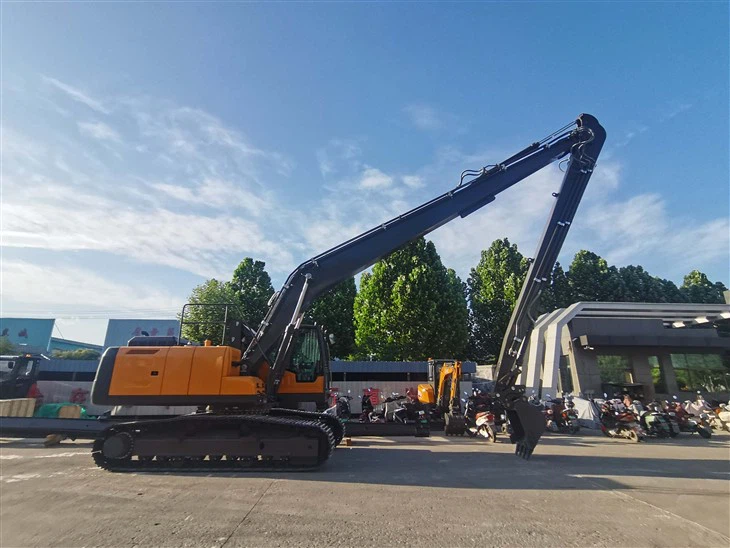
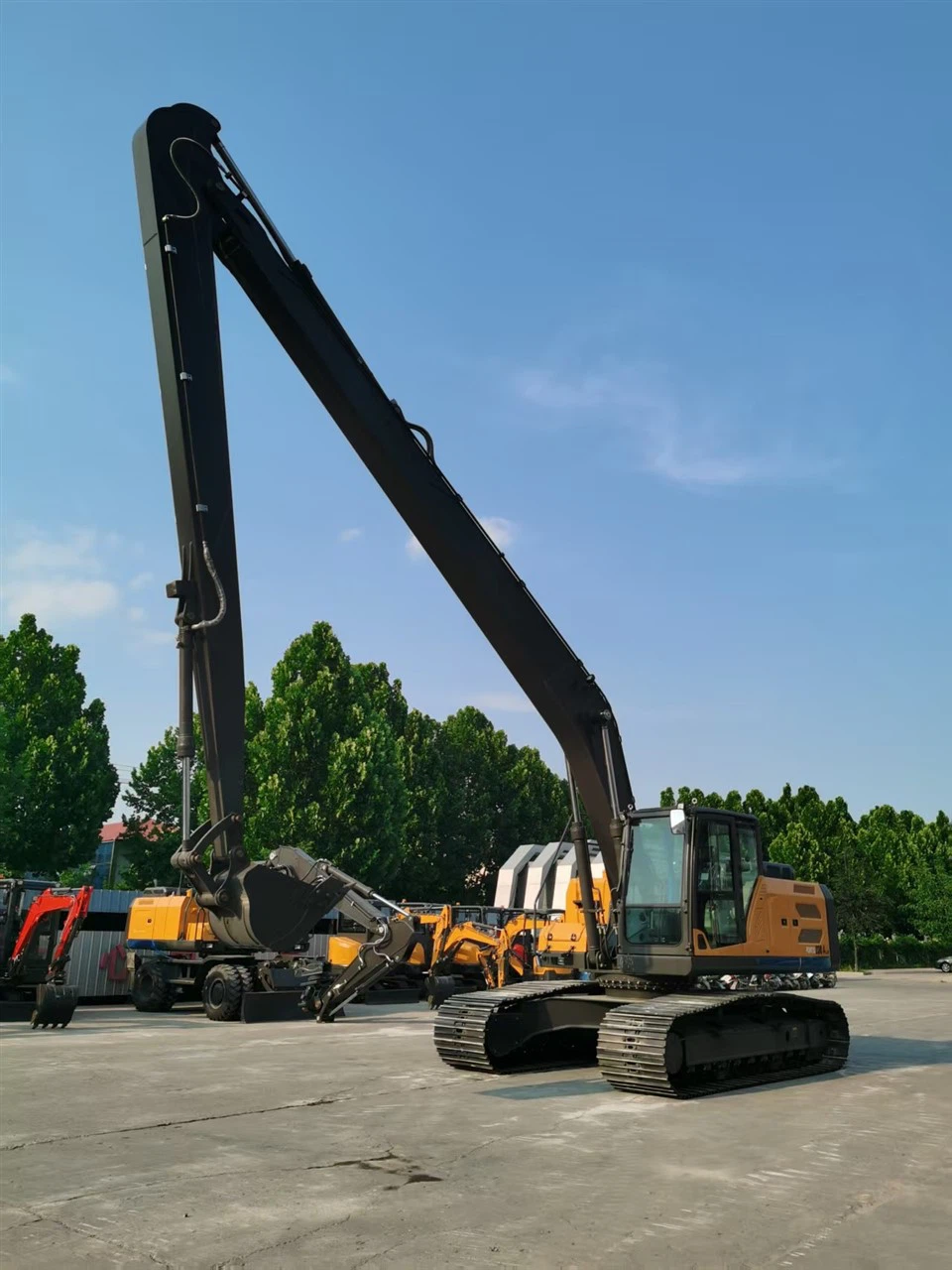
- Long Arm Excavator: Long Arm Excavators are powerful machines used in construction, mining, and other heavy industries. These machines typically generate noise levels ranging from 80 to 95 dB, depending on the size and model of the excavator. Long Arm Excavator
- Forklift: Forklifts are commonly used in warehouses and distribution centers to move heavy loads. The noise levels of forklifts can vary depending on the type of engine (diesel, electric, or propane) and the operating conditions. On average, forklifts produce noise levels between 70 and 85 dB.
- CNC Router: CNC routers are precision machining tools used in woodworking, metalworking, and other industries. These machines typically generate noise levels between 60 and 75 dB, making them relatively quiet compared to other types of specialized equipment.
- 3D Printer: 3D printers are becoming increasingly popular in a variety of industries for prototyping and manufacturing. The noise levels of 3D printers can vary depending on the type of printer (FDM, SLA, or SLS) and the printing speed. On average, 3D printers produce noise levels between 40 and 60 dB, which is similar to the noise level of a normal conversation.
Implications of High Noise Levels
High noise levels from specialized equipment can have several implications for operators and the surrounding environment:
- Hearing Loss: Prolonged exposure to high noise levels can cause permanent hearing loss. Operators of specialized equipment are at a particularly high risk of developing hearing problems if they are not provided with proper hearing protection.
- Stress and Fatigue: Excessive noise can also cause stress and fatigue, which can affect an operator's performance and safety. Workers who are exposed to high noise levels for extended periods may experience increased irritability, difficulty concentrating, and reduced productivity.
- Environmental Impact: High noise levels can have a negative impact on the surrounding environment, especially in residential areas or wildlife habitats. Noise pollution can disrupt the natural behavior of animals and cause distress to nearby residents.
Managing Noise Levels
As a supplier of specialized equipment, we are committed to helping our customers manage noise levels effectively. Here are some strategies that can be employed to reduce noise emissions from specialized equipment:
- Selecting Low-Noise Equipment: When purchasing specialized equipment, consider choosing models that are designed to operate quietly. Look for equipment with features such as noise-reducing enclosures, vibration isolation, and efficient engine designs.
- Regular Maintenance: Proper maintenance of specialized equipment is essential to ensure that it operates at optimal efficiency and generates minimal noise. Regularly inspect and lubricate mechanical components, replace worn or damaged parts, and keep the equipment clean.
- Using Hearing Protection: Provide operators with appropriate hearing protection, such as earplugs or earmuffs, and ensure that they are trained on how to use them correctly. Encourage operators to wear hearing protection at all times when working with noisy equipment.
- Implementing Noise-Reducing Measures: In addition to selecting low-noise equipment and using hearing protection, consider implementing other noise-reducing measures, such as installing noise barriers, using sound-absorbing materials, and scheduling noisy operations during off-peak hours.
Conclusion
In conclusion, the noise levels of specialized equipment are an important consideration for operators, employers, and the surrounding environment. By understanding the factors that influence noise levels and implementing effective noise management strategies, we can minimize the negative impacts of noise pollution and create a safer, more comfortable working environment.
If you are in the market for specialized equipment and have questions about noise levels or other aspects of our products, we encourage you to contact us. Our team of experts is ready to assist you in selecting the right equipment for your needs and providing you with the support and guidance you need to manage noise levels effectively.
References
- Occupational Safety and Health Administration (OSHA). (2023). Noise Exposure. Retrieved from [OSHA website]
- World Health Organization (WHO). (2023). Guidelines for Community Noise. Retrieved from [WHO website]
- American National Standards Institute (ANSI). (2023). Acoustics - Noise Limits. Retrieved from [ANSI website]


