

Hey there! As a supplier of Long Arm Excavators, I've seen my fair share of issues with these beasts. They're powerful machines, but like any piece of heavy equipment, they can run into problems. In this blog, I'm gonna talk about some common problems of a long arm excavator and how to solve them.
1. Hydraulic System Issues
One of the most common problems with long arm excavators is related to the hydraulic system. Hydraulics are what make these machines so powerful, allowing them to lift heavy loads and perform precise movements. But when something goes wrong, it can really throw a wrench in the works.
Leaking Hydraulic Fluid
Leaking hydraulic fluid is a pretty common issue. You might notice puddles of fluid under the excavator or see a drop in hydraulic pressure. There are a few reasons why this might happen. It could be due to worn-out seals, loose connections, or damaged hoses.
Solution: First, you need to locate the source of the leak. Check all the hoses, connections, and seals. If you find a worn-out seal, replace it. For loose connections, tighten them up. If a hose is damaged, you'll need to replace it. It's important to use high-quality replacement parts to ensure the longevity of the hydraulic system. You can learn more about Long Arm Excavator hydraulic systems on our website.
Low Hydraulic Pressure
Low hydraulic pressure can cause the excavator to lose power and operate sluggishly. This could be due to a clogged filter, a failing pump, or air in the hydraulic lines.
Solution: Start by checking the hydraulic filter. If it's clogged, replace it. A dirty filter can restrict the flow of hydraulic fluid, leading to low pressure. Next, inspect the hydraulic pump. If it's not working properly, it might need to be repaired or replaced. To get rid of air in the lines, you can bleed the hydraulic system following the manufacturer's instructions.
2. Engine Problems
The engine is the heart of the long arm excavator, and any issues with it can bring the whole operation to a halt.
Overheating
Overheating is a common engine problem. It can be caused by a variety of factors, such as a malfunctioning cooling system, low coolant levels, or a blocked radiator.
Solution: First, check the coolant levels. If they're low, top them up. Inspect the radiator for any blockages. You can use a pressure washer to clean it gently. Make sure the cooling fan is working properly. If it's not, it might need to be repaired or replaced. Also, check the thermostat to ensure it's opening and closing correctly.
Poor Fuel Efficiency
If your long arm excavator is guzzling fuel like there's no tomorrow, it could be a sign of an engine problem. This could be due to a dirty air filter, a faulty fuel injector, or incorrect engine tuning.
Solution: Replace the air filter if it's dirty. A clogged air filter can restrict the flow of air into the engine, causing it to burn more fuel. Have the fuel injectors inspected and cleaned if necessary. Incorrect engine tuning can also lead to poor fuel efficiency. You might need to take the excavator to a professional mechanic to have the engine tuned properly.
3. Track and Undercarriage Issues
The tracks and undercarriage of a long arm excavator are subjected to a lot of wear and tear, especially when working on rough terrain.
Track Tension Problems
If the tracks are too loose or too tight, it can cause a number of issues. Loose tracks can derail, while overly tight tracks can put extra stress on the undercarriage components.
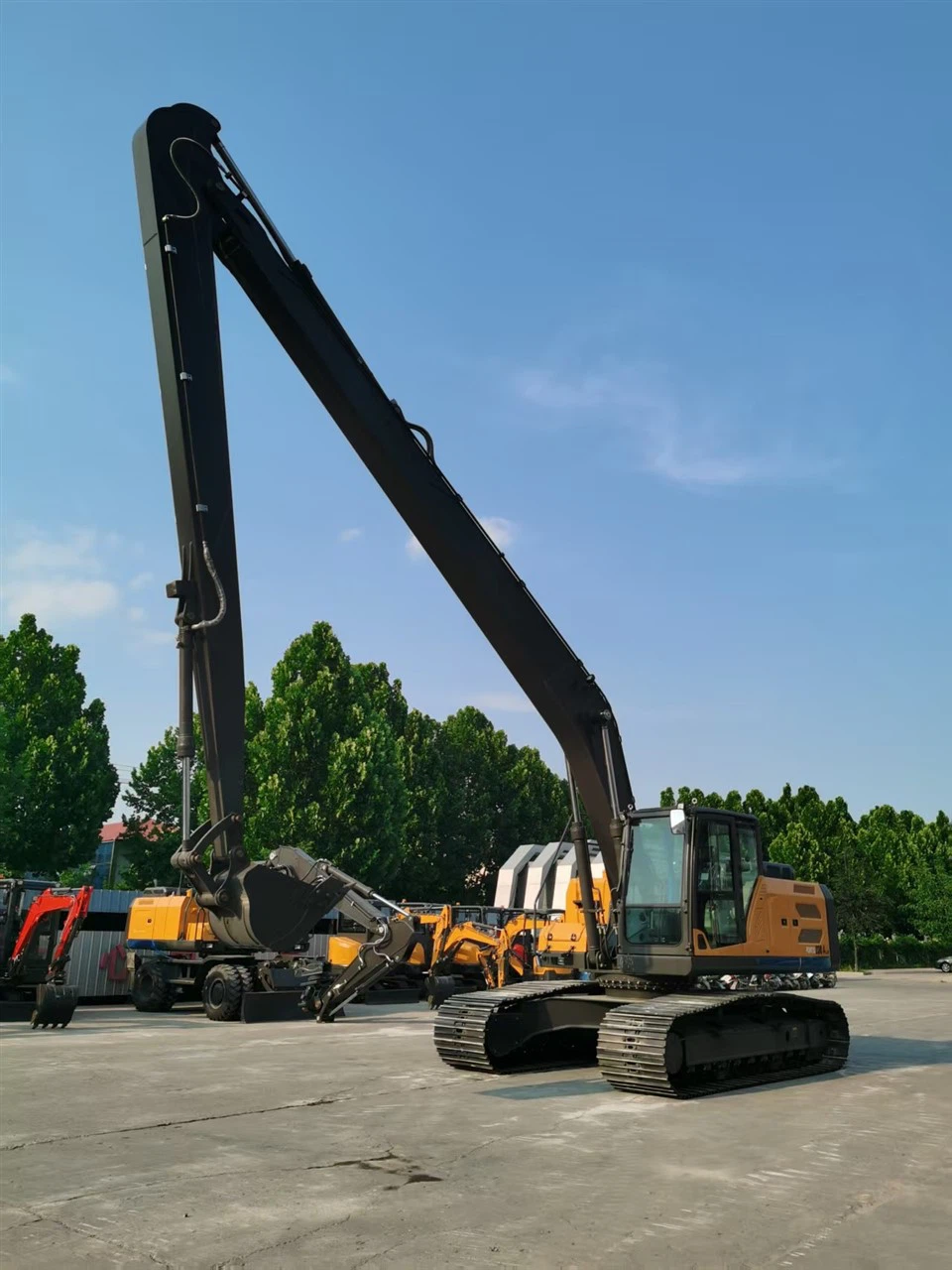
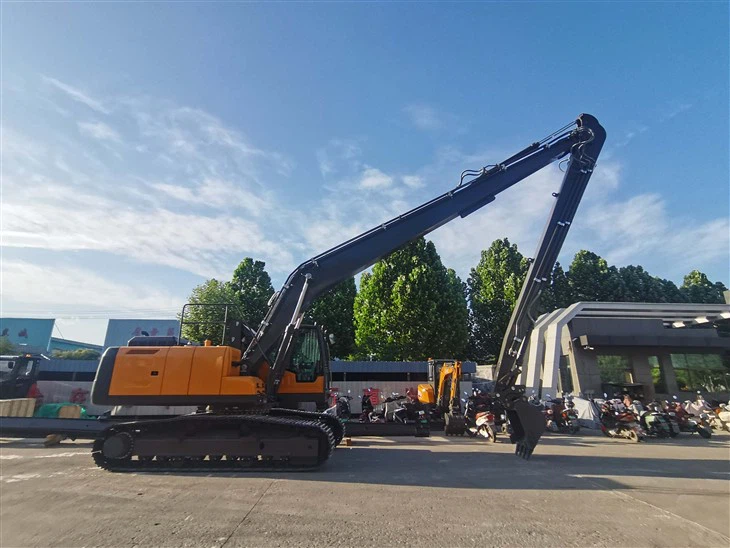
Solution: Use a track tension gauge to check the tension of the tracks. If they're too loose, you can adjust the tension by adding or removing track links. If they're too tight, you'll need to loosen them. Make sure to follow the manufacturer's guidelines for the correct track tension.
Worn-Out Track Pads
Track pads can wear out over time, especially if the excavator is used frequently on abrasive surfaces. Worn-out track pads can reduce traction and cause the excavator to slip.
Solution: Inspect the track pads regularly. If they're worn beyond the recommended limit, replace them. There are different types of track pads available, so choose the ones that are suitable for your working conditions.
4. Boom and Arm Problems
The boom and arm of the long arm excavator are essential for its digging and lifting operations. Any problems with them can affect the machine's performance.
Cracks in the Boom or Arm
Cracks can develop in the boom or arm due to heavy use or overloading. These cracks can weaken the structure and pose a safety hazard.
Solution: Regularly inspect the boom and arm for cracks. If you find a crack, it's important to address it immediately. Small cracks can sometimes be repaired by welding, but larger cracks might require the replacement of the affected component.
Limited Movement
If the boom or arm has limited movement, it could be due to a problem with the hydraulic cylinders or the joints.
Solution: Check the hydraulic cylinders for leaks or damage. If a cylinder is not working properly, it might need to be repaired or replaced. Also, inspect the joints for any signs of wear or looseness. Lubricate the joints regularly to ensure smooth movement.
5. Electrical System Issues
The electrical system in a long arm excavator controls various functions, such as the lights, gauges, and controls. Electrical problems can be frustrating to diagnose and fix.
Dead Battery
A dead battery is a common electrical problem. It could be due to a faulty alternator, a parasitic drain, or simply an old battery.
Solution: First, check the battery connections to make sure they're clean and tight. If the battery is old, it might need to be replaced. Test the alternator to see if it's charging the battery properly. If the alternator is faulty, it will need to be repaired or replaced.
Faulty Sensors
Faulty sensors can cause the gauges to display incorrect information or the controls to malfunction.
Solution: Use a diagnostic tool to check the sensors. If a sensor is faulty, replace it. Make sure to use sensors that are compatible with your excavator model.
In conclusion, while long arm excavators are powerful and versatile machines, they can run into a variety of problems. By being aware of these common issues and knowing how to solve them, you can keep your excavator running smoothly and minimize downtime. If you're in the market for a Long Arm Excavator, or if you have any questions about maintenance or repairs, feel free to reach out to us. We're here to help you make the most of your equipment. Let's start a conversation about your procurement needs and see how we can work together!
References
- Manufacturer's manuals for long arm excavators
- Industry publications on heavy equipment maintenance


