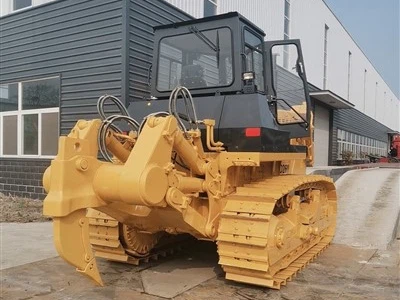
Specialized equipment plays a crucial role in various industries, from construction and mining to agriculture and forestry. These machines are designed to perform specific tasks with high efficiency and precision. However, like any other technological innovation, specialized equipment also has environmental impacts that need to be carefully considered. As a supplier of specialized equipment, I have witnessed firsthand how these machines can affect the environment, both positively and negatively. In this blog post, I will explore the environmental impacts of specialized equipment and discuss some ways to mitigate their negative effects.
Positive Environmental Impacts of Specialized Equipment
1. Increased Efficiency and Reduced Resource Consumption
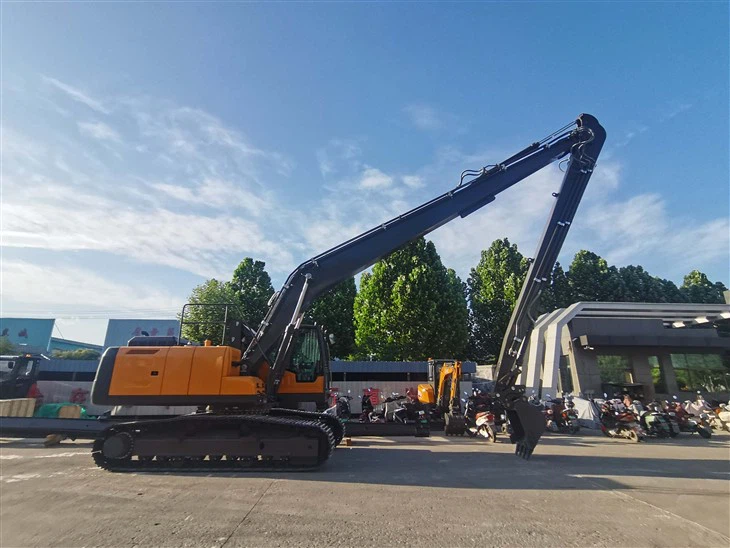
One of the primary benefits of specialized equipment is its ability to perform tasks more efficiently than traditional methods. For example, modern construction equipment such as Long Arm Excavator can dig deeper and faster, reducing the time and energy required for excavation projects. This increased efficiency translates into lower fuel consumption and fewer emissions, as less time is spent on the job. In agriculture, specialized tractors and harvesters can cover large areas of land in a shorter period, reducing the need for manual labor and minimizing soil compaction.
2. Precision and Accuracy
Specialized equipment is often equipped with advanced technology that allows for precise control and operation. This precision can help reduce waste and minimize the environmental impact of various activities. For instance, in forestry, specialized logging equipment can selectively cut trees, leaving the surrounding ecosystem relatively intact. In the mining industry, high - precision drilling and extraction equipment can target specific mineral deposits, reducing the amount of overburden (unwanted rock and soil) that needs to be removed.
3. Environmental Monitoring and Restoration
Some specialized equipment is designed specifically for environmental monitoring and restoration purposes. For example, drones equipped with sensors can be used to monitor air quality, water pollution, and deforestation. These drones can collect data in real - time, allowing for quick response to environmental threats. In addition, specialized restoration equipment such as soil aerators and seeding machines can be used to rehabilitate damaged ecosystems, such as mine sites and areas affected by natural disasters.
Negative Environmental Impacts of Specialized Equipment
1. Energy Consumption and Greenhouse Gas Emissions
Most specialized equipment runs on fossil fuels, such as diesel and gasoline. The combustion of these fuels releases large amounts of greenhouse gases, including carbon dioxide (CO₂), methane (CH₄), and nitrous oxide (N₂O). These gases contribute to global warming and climate change. For example, heavy construction equipment and large mining trucks consume significant amounts of fuel, resulting in high levels of emissions. Moreover, the production and transportation of fossil fuels also have environmental impacts, including oil spills, habitat destruction, and water pollution.
2. Noise and Air Pollution
Specialized equipment can generate high levels of noise and air pollution. The operation of machinery such as excavators, bulldozers, and crushers produces loud noise that can be harmful to human health and wildlife. Prolonged exposure to high - intensity noise can cause hearing loss, stress, and sleep disturbances. In addition, the exhaust fumes from equipment engines contain pollutants such as particulate matter (PM), nitrogen oxides (NOₓ), and sulfur dioxide (SO₂). These pollutants can cause respiratory problems, acid rain, and damage to vegetation.
3. Habitat Destruction and Soil Erosion
The use of specialized equipment in industries such as construction, mining, and forestry often leads to habitat destruction. Clearing land for construction projects, extracting minerals, or logging trees can destroy the natural habitats of plants and animals, leading to a loss of biodiversity. Moreover, the movement of heavy equipment on the ground can cause soil erosion. Soil erosion can lead to the loss of fertile topsoil, which is essential for plant growth. It can also result in sedimentation in rivers and streams, affecting water quality and aquatic ecosystems.
Mitigating the Environmental Impacts of Specialized Equipment
1. Technological Innovations
The development of new technologies can help reduce the environmental impact of specialized equipment. For example, the use of hybrid and electric engines in equipment can significantly reduce fuel consumption and emissions. Electric vehicles and equipment produce zero tailpipe emissions, which can improve air quality in urban and industrial areas. In addition, the use of advanced materials and design techniques can make equipment lighter and more energy - efficient.
2. Regular Maintenance and Upgrades
Proper maintenance of specialized equipment is essential to ensure its optimal performance and reduce emissions. Regular servicing, including engine tune - ups, filter replacements, and tire pressure checks, can improve fuel efficiency and reduce the amount of pollutants emitted. Upgrading old equipment with new, more environmentally friendly technologies can also be a cost - effective way to reduce the environmental impact.
3. Sustainable Operation Practices
Adopting sustainable operation practices can also help minimize the environmental impact of specialized equipment. For example, companies can implement eco - friendly construction and mining practices, such as reducing the use of heavy equipment during sensitive periods (e.g., breeding seasons of wildlife), and using reclaimed materials whenever possible. In addition, equipment operators can be trained to operate machines in a more energy - efficient manner, such as avoiding unnecessary idling and using the appropriate gear for the task.
Conclusion
As a supplier of specialized equipment, I understand the importance of balancing the benefits of these machines with their environmental impacts. While specialized equipment can bring significant advantages in terms of efficiency and productivity, it also poses challenges to the environment. By promoting technological innovations, ensuring proper maintenance and upgrades, and encouraging sustainable operation practices, we can minimize the negative environmental impacts of specialized equipment.
If you are interested in learning more about our specialized equipment or discussing how we can help you meet your environmental and operational goals, I encourage you to contact us. We are committed to providing high - quality, environmentally friendly equipment solutions and look forward to partnering with you in your projects.

References
- IPCC (Intergovernmental Panel on Climate Change). Climate Change 2021: The Physical Science Basis. Contribution of Working Group I to the Sixth Assessment Report of the Intergovernmental Panel on Climate Change. Cambridge University Press.
- EPA (Environmental Protection Agency). "Mobile Source Air Pollution". United States Environmental Protection Agency.
- FAO (Food and Agriculture Organization of the United Nations). "The State of the World's Forests". FAO.