

Improper counterweight adjustment in a wheel loader can have far - reaching and detrimental effects on the machine's performance, safety, and overall longevity. As a wheel loader supplier, I've witnessed firsthand how the balance of counterweights is a crucial factor that operators and maintenance teams often overlook.
1. Impact on Stability
One of the most immediate and significant effects of improper counterweight adjustment is a compromised stability of the wheel loader. Wheel loaders are designed to handle heavy loads at the front end. The counterweight at the rear is essential to maintain the center of gravity within a safe range. When the counterweight is too light, the loader becomes top - heavy at the front. This can lead to the machine tipping forward, especially when lifting heavy loads or operating on uneven terrain.
For instance, if an operator is using a Wheel Loader Diesel Loader 3 Ton and the counterweight is not adjusted correctly, the risk of a forward tip increases significantly. This not only endangers the operator's life but also causes damage to the machine and the surrounding environment. On the other hand, if the counterweight is too heavy, the loader may become unstable in the rear. This can result in the rear wheels losing traction, making it difficult to control the machine, especially during turning or braking maneuvers.
2. Wear and Tear on Components
Improper counterweight adjustment also accelerates the wear and tear of various components of the wheel loader. When the machine is not properly balanced, the stress on the axles, tires, and hydraulic systems is unevenly distributed.
The axles bear the brunt of the load distribution. If the counterweight is incorrect, the axles may experience excessive bending and torsional forces. This can lead to premature axle failure, which is a costly repair. Tires are also affected. Uneven weight distribution can cause uneven tire wear. For example, if the front tires are overloaded due to insufficient counterweight, they will wear out much faster than the rear tires. This not only shortens the tire lifespan but also affects the machine's handling and fuel efficiency.
The hydraulic system is another area that suffers. When the loader is out of balance, the hydraulic cylinders have to work harder to lift and lower the load. This can lead to increased hydraulic pressure, which may cause leaks, seal failures, and damage to the hydraulic pump. Over time, these issues can result in significant downtime and repair costs for the operator.
3. Reduced Load - Carrying Capacity
A wheel loader's load - carrying capacity is directly related to its proper counterweight adjustment. When the counterweight is not set correctly, the loader cannot safely carry its rated load. If the counterweight is too light, the machine will be limited in the amount of material it can lift without risking a tip - over. This means that operators have to reduce the load size, which in turn reduces productivity.
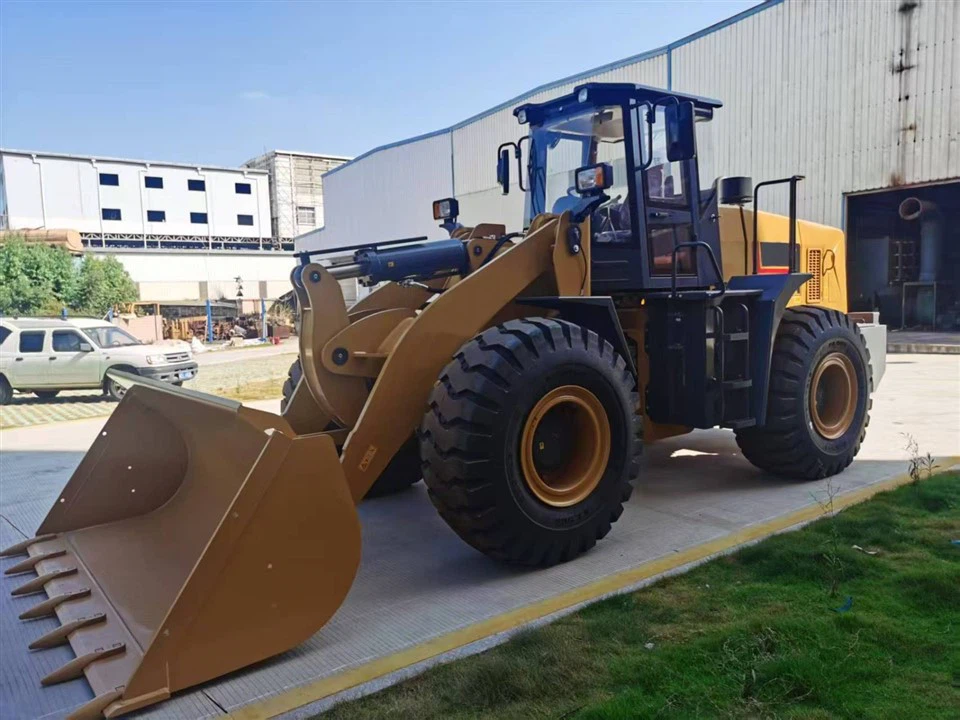
For a Front Loader 4x4 Diesel Wheel Loader 5 Ton, improper counterweight adjustment can mean that it can only carry a fraction of its 5 - ton capacity. This is a major drawback in applications where large volumes of material need to be moved quickly, such as in construction or mining operations.

4. Fuel Efficiency
Fuel efficiency is an important consideration for any wheel loader operator. Improper counterweight adjustment can have a negative impact on fuel consumption. When the machine is not balanced, the engine has to work harder to move the loader and lift the load. This increased workload results in higher fuel consumption.
For example, if the counterweight is too light and the front end is overloaded, the engine has to generate more power to lift the load. This requires more fuel to be burned. Similarly, if the counterweight is too heavy, the machine has to overcome the additional weight, which also leads to increased fuel consumption. Over time, these small increases in fuel consumption can add up to significant costs for the operator.
5. Operator Fatigue and Safety
An unbalanced wheel loader can also cause operator fatigue. When the machine is difficult to control due to improper counterweight adjustment, the operator has to constantly make adjustments to keep the loader stable. This requires more concentration and physical effort, which can lead to fatigue over a long work shift.
Fatigued operators are more likely to make mistakes, which can increase the risk of accidents. In addition, the lack of stability in an unbalanced loader can make it more difficult for the operator to perform tasks safely. For example, when dumping a load, an unstable loader may tip or sway, putting the operator and nearby workers at risk.
6. Impact on Resale Value
The resale value of a wheel loader is also affected by improper counterweight adjustment. A machine that has been operated with incorrect counterweights is likely to have more wear and tear on its components. Potential buyers are aware of this and will be less willing to pay a high price for a loader with a history of improper balance.
In addition, if the machine has been involved in accidents due to instability caused by improper counterweight adjustment, this will also significantly reduce its resale value. A damaged or accident - prone loader is seen as a liability, and buyers will look for more reliable and well - maintained machines.
Conclusion
In conclusion, improper counterweight adjustment in a wheel loader can have a wide range of negative effects, from stability issues and component wear to reduced productivity and increased costs. As a wheel loader supplier, we understand the importance of proper counterweight adjustment and provide detailed instructions and training to our customers.
If you are in the market for a wheel loader or need advice on counterweight adjustment, we encourage you to contact us for a consultation. Our team of experts can help you select the right loader for your needs and ensure that it is properly balanced for optimal performance and safety.
References
- SAE International. "Guidelines for Wheel Loader Design and Operation."
- Caterpillar Inc. "Wheel Loader Maintenance Manual."
- Komatsu Ltd. "Technical Specifications for Wheel Loaders."


