

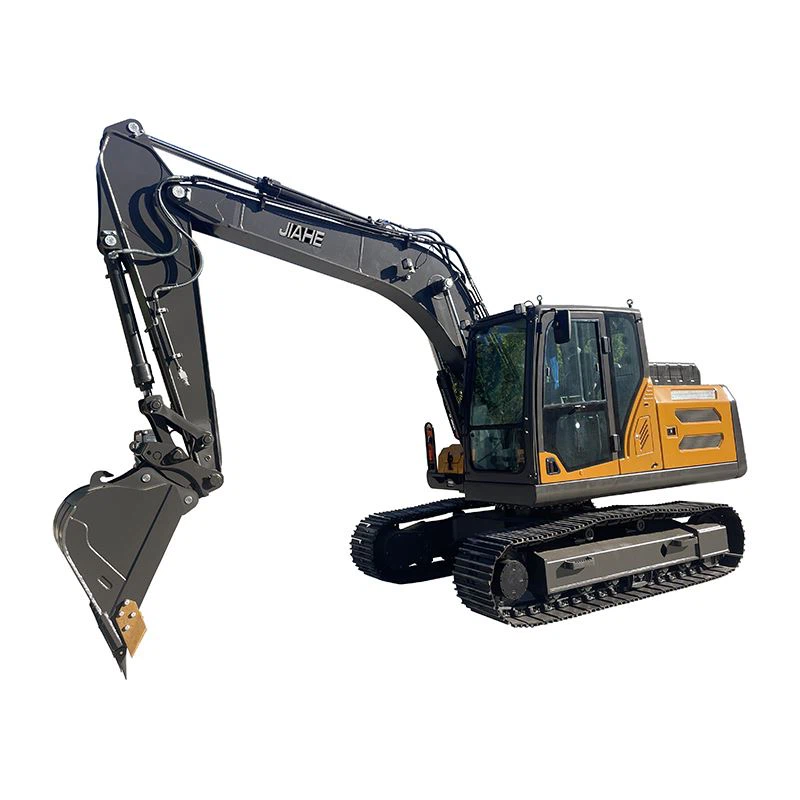
Hey there! I'm a supplier of crawler excavators, and today I'm gonna share with you how to use the quick coupler system on a crawler excavator. It's a super handy feature that can really boost the efficiency of your excavation work.
First off, let's talk about what a quick coupler system is. In simple terms, it's a device that allows you to quickly and easily change between different attachments on your crawler excavator. Instead of spending a lot of time and effort using traditional methods to swap out attachments like buckets, breakers, or thumbs, the quick coupler system lets you do it in a matter of minutes.
Getting Familiar with the Quick Coupler
Before you start using the quick coupler system, it's crucial to get to know its components. Most quick couplers have a locking mechanism that secures the attachment to the excavator's arm. There are also hydraulic connections that need to be properly connected for the attachment to function.
Take a good look at the quick coupler on your crawler excavator. Check for any signs of wear and tear, like cracks or loose parts. Make sure all the pins and bolts are tightened. If you notice any issues, it's best to get them fixed before you start using the system.
Pre - operation Checks
Once you're familiar with the quick coupler, it's time for some pre - operation checks. First, make sure the excavator is parked on a flat and stable surface. Engage the parking brake to prevent any accidental movement.
Next, check the hydraulic fluid levels. The quick coupler system relies on hydraulic power to operate, so having the right fluid level is essential. Low fluid levels can cause the system to malfunction or even damage the hydraulic components.
Also, check the attachment you're about to use. Make sure it's in good condition and compatible with your quick coupler system. Some attachments may require specific adapters or modifications to work properly.
Attaching an Attachment
Now, let's get into the process of attaching an attachment using the quick coupler system.
- Position the Excavator: Use the excavator's controls to position the arm over the attachment. Make sure the quick coupler is lined up correctly with the attachment's mounting points.
- Lower the Arm: Slowly lower the excavator's arm until the quick coupler makes contact with the attachment. You may need to adjust the position slightly to ensure a proper fit.
- Engage the Locking Mechanism: Once the quick coupler is in place, use the hydraulic controls to engage the locking mechanism. This will secure the attachment to the arm. You'll usually hear a click or feel a slight movement when the locking mechanism engages.
- Check the Connection: After engaging the locking mechanism, give the attachment a gentle tug to make sure it's securely attached. You can also visually inspect the connection to ensure there are no gaps or misalignments.
- Connect the Hydraulic Lines: If the attachment requires hydraulic power, connect the hydraulic lines to the corresponding ports on the quick coupler and the attachment. Make sure the connections are tight to prevent any hydraulic fluid leaks.
Detaching an Attachment
Detaching an attachment is just as important as attaching it, and it's a relatively straightforward process.
- Position the Attachment: Use the excavator's controls to position the attachment over a flat and stable surface. Make sure the attachment is clear of any obstacles.
- Disconnect the Hydraulic Lines: If the attachment is hydraulically powered, carefully disconnect the hydraulic lines. Be careful as there may still be some pressure in the lines, so it's a good idea to wear protective gloves.
- Release the Locking Mechanism: Use the hydraulic controls to release the locking mechanism on the quick coupler. You'll hear a click or feel a movement as the locking mechanism disengages.
- Lift the Arm: Slowly lift the excavator's arm, and the attachment should separate from the quick coupler. Make sure to lift the arm straight up to avoid any damage to the attachment or the quick coupler.
Safety Tips
Safety should always be your top priority when using the quick coupler system on a crawler excavator.
- Wear Protective Gear: Always wear appropriate protective gear, like hard hats, safety glasses, and gloves. This will protect you from any potential hazards.
- Follow the Manufacturer's Instructions: Every crawler excavator and quick coupler system is different, so make sure to follow the manufacturer's instructions carefully. This will ensure that you're using the system correctly and safely.
- Be Aware of Your Surroundings: When attaching or detaching an attachment, be aware of your surroundings. Make sure there are no people or objects in the way that could be hit by the excavator's arm or the attachment.
Applications of Different Attachments
The quick coupler system allows you to use a variety of attachments, each with its own specific application.
- Buckets: Buckets are the most common attachment for crawler excavators. They're used for digging, loading, and moving materials like soil, sand, and gravel. Our 21 Ton Excavator with Thumb is great for heavy - duty bucket work.
- Breakers: Breakers are used for breaking up hard materials like concrete and rock. If you have a demolition project, a breaker attachment can save you a lot of time and effort.
- Thumbs: Thumbs are useful for grabbing and holding objects. They're often used in conjunction with buckets for tasks like sorting and moving debris.
- Mini Excavator Attachments: For smaller jobs, our Mini Excavator Digger 2.7 Ton can be equipped with a variety of attachments. It's perfect for landscaping, trenching, and other light - duty tasks.
- New Model 15 - Ton Excavator: The Excavator 15 Ton New Model offers great versatility with its quick coupler system. It can handle a wide range of attachments for different applications.
Conclusion
The quick coupler system on a crawler excavator is a game - changer. It allows you to switch between attachments quickly and easily, which can significantly increase your productivity. By following the steps I've outlined above and keeping safety in mind, you'll be able to use the quick coupler system like a pro.
If you're in the market for a crawler excavator or looking to upgrade your existing equipment, we've got a wide range of options to suit your needs. Whether you need a large - scale excavator for heavy - duty projects or a mini excavator for smaller jobs, we can help. Don't hesitate to reach out to us for more information and to start a procurement discussion. We're here to make sure you get the best equipment for your work.
References
- Crawler Excavator Operator's Manuals
- Industry Publications on Construction Equipment


