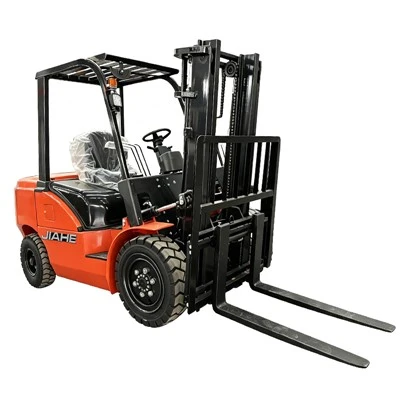
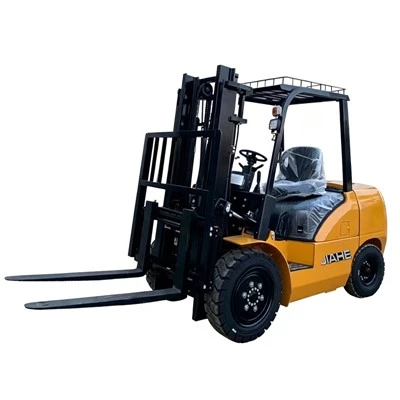
Improving the efficiency of a 2 - ton diesel forklift is crucial for businesses looking to optimize their material handling operations. As a supplier of Forklift Diesel 2 Tons, I've seen firsthand how a well - maintained and efficiently operated forklift can make a significant difference in productivity. In this blog, I'll share some practical tips on how to get the most out of your 2 - ton diesel forklift.
1. Regular Maintenance
First off, regular maintenance is the key to keeping your forklift running at its best. Just like a car, a diesel forklift needs routine check - ups to ensure all parts are in good working condition. You should follow the manufacturer's recommended maintenance schedule, which typically includes oil changes, filter replacements, and inspections of the battery, brakes, and hydraulic system.
Dirty air filters can restrict air flow to the engine, reducing power and increasing fuel consumption. By changing the air filter regularly, you can improve the engine's performance and save on fuel costs. Similarly, keeping the oil clean and at the right level is essential for lubricating the engine's moving parts and preventing wear and tear.
2. Operator Training
Another vital aspect of improving forklift efficiency is proper operator training. A well - trained operator knows how to handle the forklift safely and efficiently, which can lead to less wear on the machine and increased productivity. They understand the importance of smooth acceleration and deceleration, which not only saves fuel but also reduces stress on the forklift's components.
For instance, an experienced operator will avoid unnecessary idling. Idling for long periods consumes fuel without any productive work being done. Instead, they'll shut off the engine when the forklift is not in use for more than a few minutes. Training programs should also cover basic maintenance tasks that operators can perform before and after each shift, such as checking the tire pressure and looking for any obvious signs of damage.
3. Optimize Load Handling
Optimizing load handling is also a great way to boost efficiency. When loading and unloading, ensure that the load is evenly distributed on the forks. An unevenly distributed load can cause the forklift to become unstable, which may lead to accidents and also increases the wear on the forklift's lift mechanism.
Use the right attachments for the job. For example, if you're handling pallets, a standard fork attachment is fine. But if you're dealing with oddly - shaped items, specialized attachments like clamps or booms can make the job much easier and faster. This can reduce the time spent on each load and increase the overall throughput of the forklift.
4. Update Technology
Technology is constantly evolving, and updating your forklift with the latest advancements can significantly improve its efficiency. Modern forklifts often come with features like fuel - efficient engines, advanced hydraulic systems, and electronic control units that optimize performance.
For example, some new models have automatic idle - down systems that reduce the engine speed when the forklift is not in use, saving fuel. Additionally, smart monitoring systems can track the forklift's performance, including fuel consumption, engine hours, and maintenance schedules. This data can help you make informed decisions about how to operate the forklift more efficiently.
5. Warehouse Layout Optimization
The layout of your warehouse can also impact the efficiency of your forklift. A well - designed warehouse with clear aisles and designated storage areas can reduce the time the forklift spends maneuvering between loads. Make sure the aisles are wide enough to allow the forklift to turn and move freely without having to make multiple attempts.
Implement a logical storage system, such as organizing items by frequency of use. Place the most commonly used items in easily accessible locations, so the forklift doesn't have to travel long distances to pick up and drop off loads. This can also reduce the number of trips the forklift has to make, saving time and fuel.

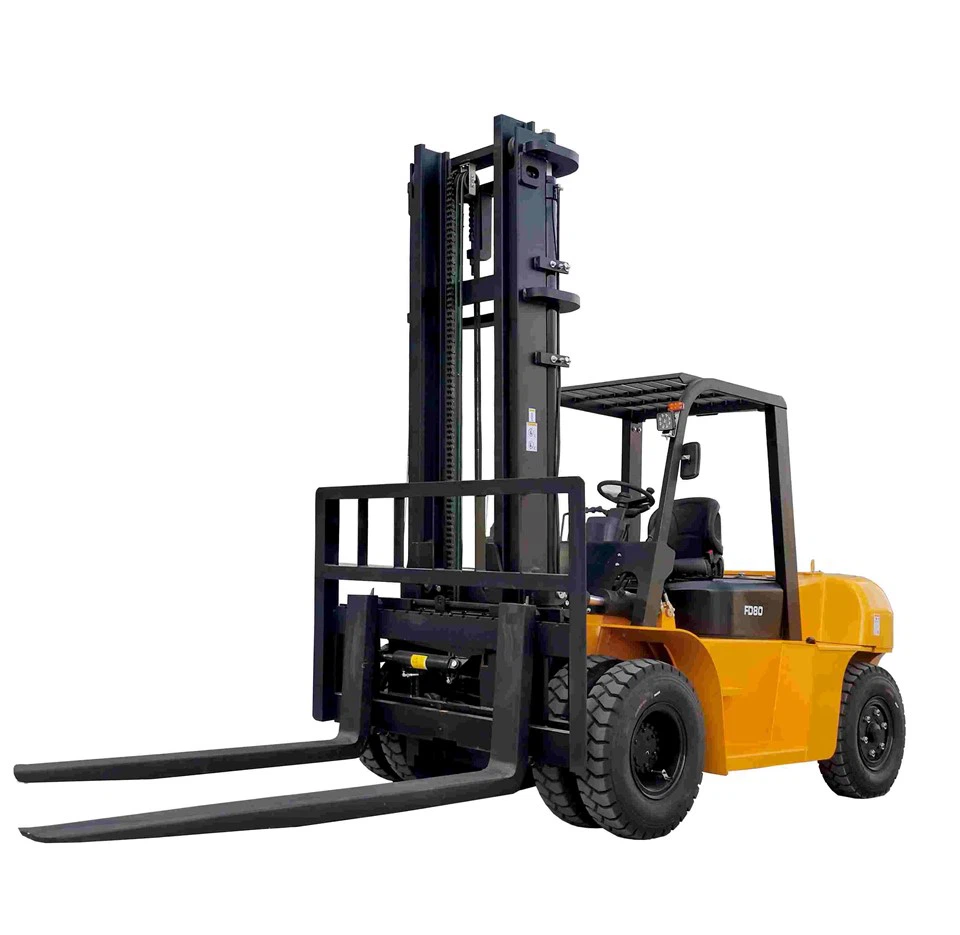
Expand Your Fleet as Needed
If your business is growing, you might need to consider expanding your forklift fleet. Different types of forklifts are suitable for different tasks. For example, if you need to handle heavier loads, you might be interested in our Forklift 4 Ton Diesel. It offers more lifting capacity and can be a great addition to your operations when dealing with larger items.
For even more heavy - duty applications, our 8 Ton Forklift Heavy Duty and 10 Ton Diesel Forklift - FD100 are available. These powerful machines can handle extremely large and heavy loads, making them ideal for industrial settings with high - volume material handling needs.
If you're looking for a forklift with a bit more capacity than the 2 - ton model but not as large as the 4 - ton, our 2.5 Ton Diesel Forklift could be the perfect fit. And for some general - purpose tasks, our 3t Diesel Forklift Equipment offers a good balance between capacity and maneuverability.
Conclusion
Improving the efficiency of a 2 - ton diesel forklift involves a combination of regular maintenance, proper operator training, optimized load handling, technology updates, and warehouse layout optimization. By following these tips, you can enhance the performance of your forklift, reduce operating costs, and increase overall productivity.
If you're in the market for a high - quality 2 - ton diesel forklift or want to expand your fleet with other models, we're here to help. Contact us to discuss your specific needs and requirements, and we'll work with you to find the best solutions for your business.
References
- "Material Handling Equipment Handbook" by Material Handling Industry of America
- Various manufacturer's manuals for diesel forklifts.